Amazon and FedEx Build a 10,000-Location Returns Supernetwork: How Carrier-Retailer Partnerships Are Reshaping Reverse Logistics Infrastructure

The e-commerce returns problem has reached staggering proportions. U.S. consumers returned an estimated $849.9 billion in merchandise in 2025, representing a 15.8% return rate across all retail channels, according to the National Retail Federation. For online purchases specifically, return rates have hovered around 18–20% in recent years, with forecasts projecting a decline to approximately 14.7% by 2026 as retailers invest in better product descriptions, sizing tools, and return-reduction technology.
Against this backdrop, Amazon just made one of the most significant reverse logistics infrastructure moves in recent memory—and it involves a former rival.
1,500 FedEx Office Locations Join the Amazon Returns Network
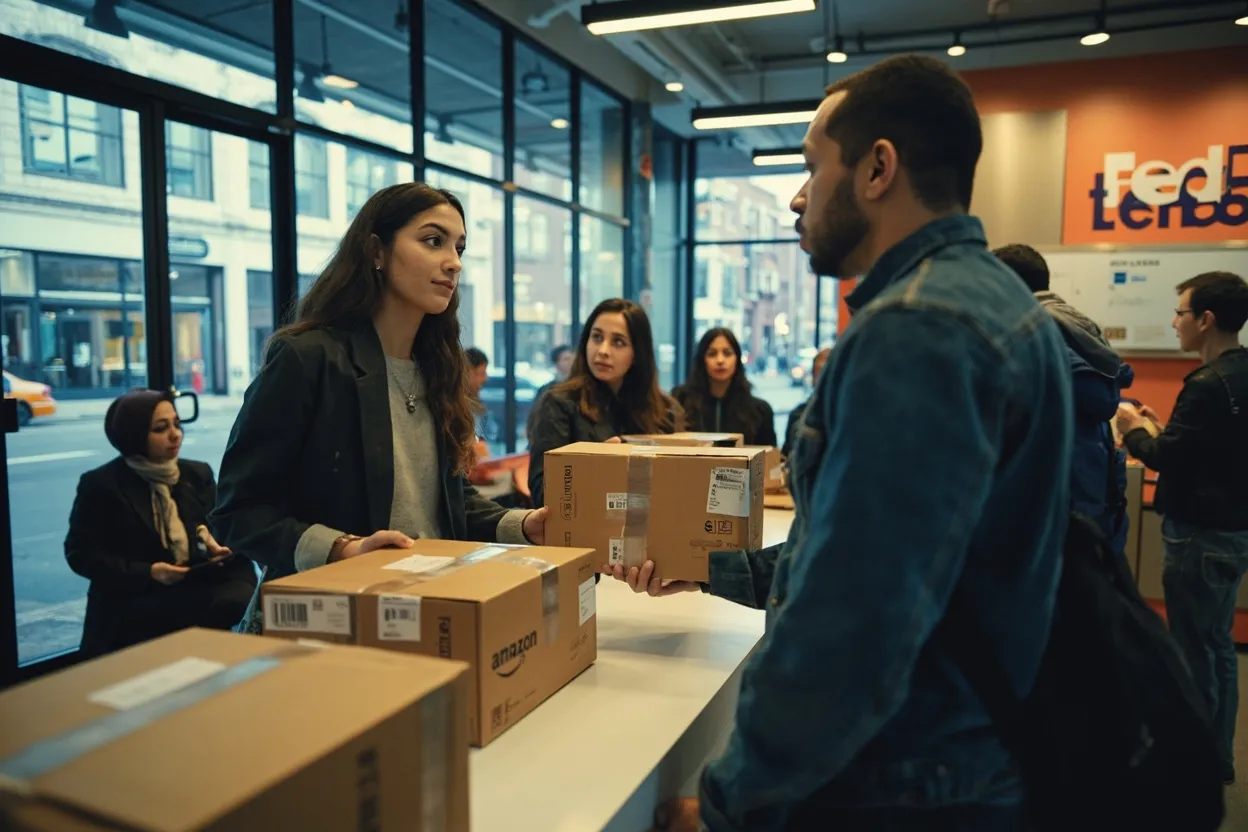
In late March 2026, Amazon announced the addition of more than 1,500 FedEx Office locations to its U.S. returns network. The expansion pushes Amazon's total returns drop-off footprint past 10,000 locations nationwide, and the company says four out of five U.S. customers now have a free return point within five miles of their home.
The partnership is notable for the backstory alone. FedEx severed its logistics relationship with Amazon in 2019 as the e-commerce giant aggressively built out its own delivery network. Seven years later, the two companies are back together—this time in reverse logistics, a domain where infrastructure density matters more than delivery speed.
Customers can drop off eligible returns at FedEx Office locations with no box, no tape, and no printed label—just a QR code generated through their Amazon account. FedEx Office joins an expanding roster of return partners that includes Whole Foods Market, The UPS Store, Kohl's, Staples, and several regional grocery chains including Save Mart in California and Nevada and Winn-Dixie in Florida.
Why Physical Return Networks Are the New Competitive Moat
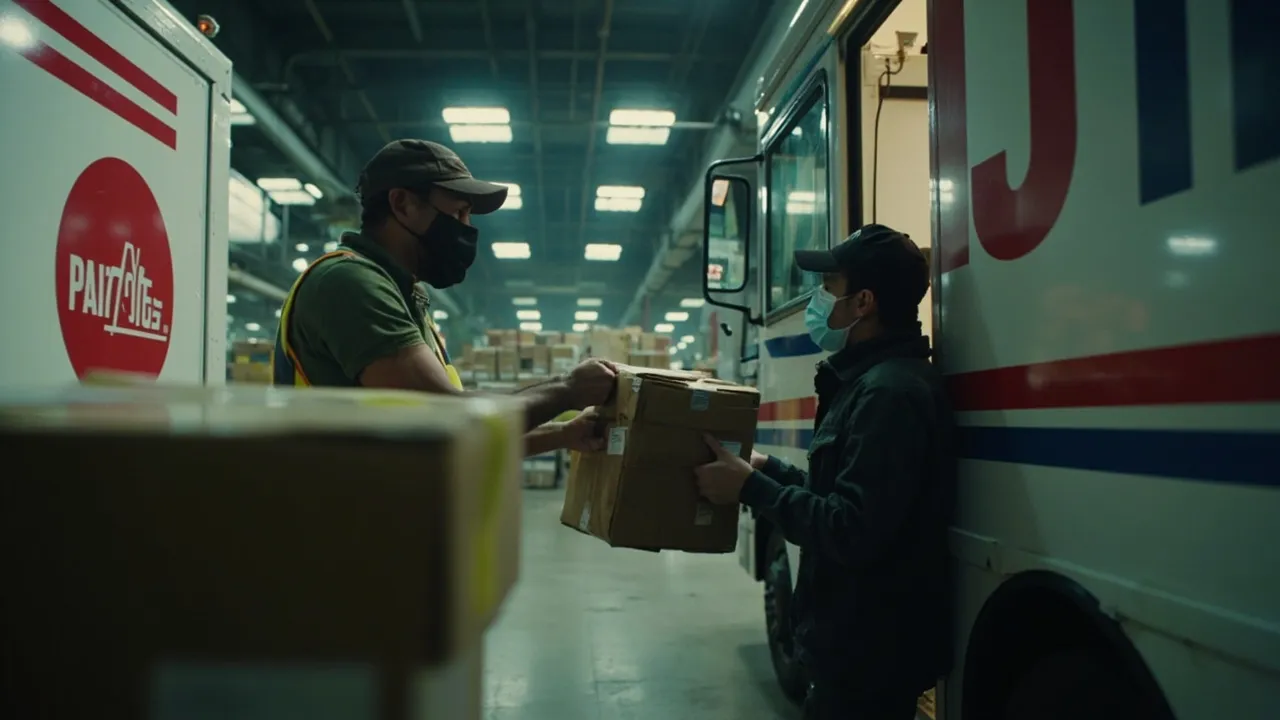
The shift toward carrier-retailer return partnerships represents a fundamental change in how reverse logistics infrastructure is being built. Instead of standalone return centers or mail-in processes, the industry is converging on embedded return points within existing retail and service locations that consumers already visit.
This strategy works because of one critical insight: the convenience of making a return directly influences purchase confidence. According to FreightWaves, Amazon's investment in return convenience is part of a broader strategy that also includes one-hour and three-hour delivery windows in hundreds of cities. The message to consumers is clear—buying from Amazon is low-risk because returning is effortless.
For Amazon, the economics are compelling. Consolidating returns through physical drop-off points rather than individual home pickups reduces per-unit reverse logistics costs significantly. When a FedEx Office location collects hundreds of Amazon returns per week, those items can be consolidated, sorted, and shipped in bulk rather than as individual parcels. The result is a dramatic reduction in last-mile reverse logistics costs compared to scheduling individual carrier pickups.
The Economic Model: How Consolidated Returns Change the Math
The traditional reverse logistics model is expensive. Processing a single e-commerce return typically costs retailers $10–$15 per item when accounting for shipping, handling, inspection, restocking, and potential markdowns. With U.S. retailers losing over $100 billion annually to return-related costs, any reduction in per-unit processing expense creates enormous savings at scale.
Consolidated drop-off networks attack the most expensive part of the equation: the last mile. Instead of dispatching a carrier to pick up a single return from a customer's doorstep, the drop-off model shifts transportation responsibility to the consumer for the first leg while aggregating returns at collection points for efficient batch processing.
Here's how the math changes:
- Individual home pickup: $6–$8 per package in last-mile reverse logistics costs
- Consolidated drop-off collection: $1.50–$3 per package when batched from a high-volume location
- Net savings per return: $3–$6.50 per unit at the transportation level alone
When you multiply that savings across Amazon's return volume—estimated at hundreds of millions of packages annually—the 10,000-location network becomes a multi-billion-dollar cost optimization play.
Impact on 3PLs and Independent Return Aggregators
The Amazon-FedEx returns partnership signals a broader trend that should concern independent return aggregators and 3PLs that have built businesses around managing reverse logistics for e-commerce brands.
When the two largest forces in U.S. logistics—Amazon with 10,000+ drop-off points and FedEx with its 2,000 FedEx Office locations (now serving double duty)—combine their return infrastructure, the barrier to entry for competing return networks rises dramatically. Smaller retailers and brands face a choice: build their own return partnerships at significant cost, or integrate with existing networks that may not offer the same level of data visibility or control.
For 3PLs, the opportunity lies in serving the mid-market. While Amazon and major retailers can negotiate direct partnerships with FedEx, UPS, and retail chains, mid-size e-commerce brands need intermediaries to provide comparable return convenience. The 3PLs that can aggregate return volume from multiple brands and negotiate access to physical drop-off networks will be positioned to capture this growing segment.
The competitive dynamics are also shifting for regional return consolidators. Companies that operated independent return drop-off points or locker networks face pressure as major carriers embed return capabilities into their existing retail locations. The infrastructure advantage increasingly favors carriers and retailers with existing physical footprints over purpose-built return facilities.
What This Means for Shippers and Supply Chain Leaders
The Amazon-FedEx partnership accelerates several trends that shippers need to plan for:
Return infrastructure is becoming a buying factor. Consumers increasingly choose where to shop based on return convenience. Brands that can offer drop-off returns within five miles of most customers will see higher conversion rates than those still relying on mail-in processes.
Carrier relationships are evolving beyond forward logistics. The traditional model of selecting carriers purely for outbound shipping performance is giving way to a more holistic evaluation that includes reverse logistics capabilities, drop-off network density, and return processing efficiency.
Data visibility across the return journey matters. As returns flow through multi-partner networks—from FedEx Office to Amazon fulfillment centers to resale or liquidation channels—shippers need end-to-end visibility into return status, condition, and disposition.
How CXTMS Tracks Return Flow Analytics Across Multi-Carrier Drop-Off Networks
Managing reverse logistics across a fragmented network of carriers, retail partners, and processing facilities requires unified visibility that spans the entire return journey. CXTMS provides shippers and logistics teams with return flow analytics that track packages from drop-off through disposition, across every carrier and partner in the network.
With CXTMS, supply chain teams can monitor return volume by drop-off location, identify processing bottlenecks, analyze return reasons at the SKU level, and optimize carrier selection for reverse logistics lanes. The platform's multi-carrier integration means return data from FedEx, UPS, Amazon Logistics, and regional carriers flows into a single dashboard—giving operations teams the visibility they need to reduce return processing times and cut reverse logistics costs.
Ready to gain visibility into your reverse logistics network? Request a CXTMS demo today and see how unified return analytics can transform your reverse logistics operations.