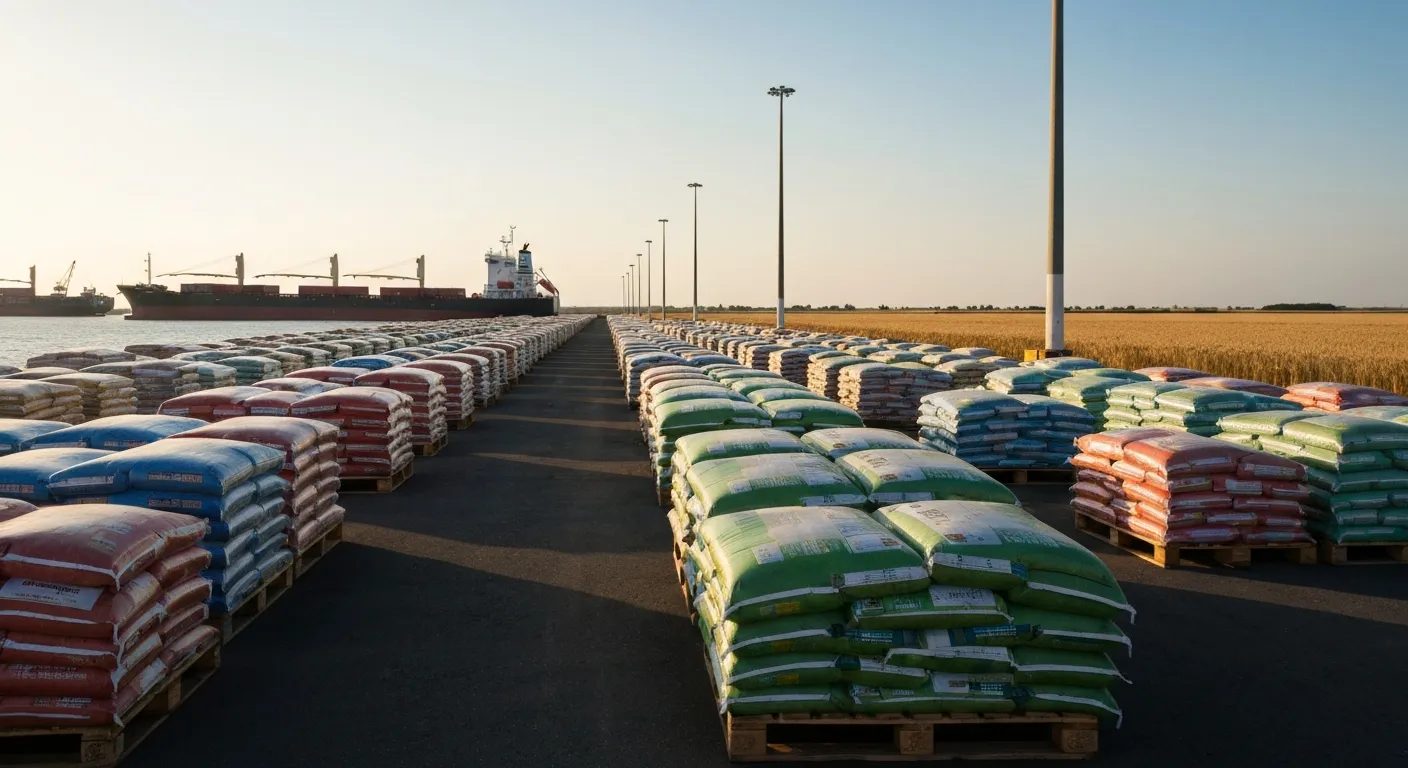
Potash Supply Constraints: A Freight Allocation Playbook for Fertilizer Shippers


Potash shortages rarely begin with an empty warehouse. They begin with small mismatches: a mine trims output, supplier lead times stretch, railcars cycle more slowly, or a vessel misses its loading window. By the time customers hear that product is unavailable, logistics teams may already be managing weeks of accumulated risk.
The market signals are mixed enough to make disciplined planning essential. Reuters reported that global potash shipments were expected to reach 74 million to 77 million metric tons in 2026, compared with 73 million to 75 million in 2025, while diminished supply in markets including China was supporting purchases. In a later update, Reuters said top producer Nutrien expected higher 2026 demand even as low crop returns pressured farmers.
For fertilizer shippers, the operational question is not simply whether the world has enough potash. It is whether the right grade can reach the right agricultural market before its application window closes. That requires allocating physical product and transport capacity as one decision.
Separate a backlog from a durable constraint
A temporary backlog usually has a visible cause and recovery path: weather stopped mine loading, a terminal lost several shifts, or rail service briefly slowed. Confirmed production remains intact, order lead times stabilize, and delayed volume receives credible new dates.
A durable constraint looks different. Watch for several signals moving together:
- supplier allocation percentages falling across consecutive order cycles;
- production guidance or expansion plans being reduced;
- quoted lead times lengthening even after the original disruption clears;
- confirmed railcars, vessel space, or transload appointments exceeding available product;
- regional inventories declining as the planting season approaches; and
- substitute grades or origins attracting persistent premiums.
Do not let one headline trigger a network-wide emergency. Reuters documented how quickly market conditions can reverse: producers were curbing output as supply neared pre-war levels in late 2024, yet expectations later shifted toward tighter supply and stronger demand for 2026. A useful constraint status therefore combines supplier confirmations, open-order aging, production changes, inventory coverage, and transport performance.
Set explicit thresholds. For example, move a lane from watch to constrained when confirmed supply covers less than 90% of demand for two planning periods and replenishment lead time exceeds the normal range by more than 25%. The numbers should reflect the shipper's network, but the rule must be consistent.
Synchronize product and transport commitments
Potash moves through an interdependent bulk network. Railcars connect production to inland terminals and ports. Bulk vessels serve export markets. Transload sites convert rail volume into truck deliveries, while seasonal warehouses position inventory near farms. Reserving any one resource without the others creates stranded capacity.
Start with a time-phased supply ledger by grade, origin, and available date. Match it against committed railcars, vessel parcels, transload slots, storage capacity, and outbound truck appointments. A booking should count as executable only when product and every critical transport leg are confirmed.
Rail deserves particular scrutiny because poor service can amplify a modest supply issue. FreightWaves reported that one fertilizer industry member incurred $800,000 in additional freight costs from poor service on a single railroad. Slow car cycles also reduce effective fleet capacity: the same number of cars completes fewer turns during the season.
For export moves, planners should compare the cost of holding a vessel window against the risk that enough product will not reach the port. Inland, protected transload slots are valuable only when inbound rail arrival confidence is high. Storage should be positioned according to forecast consumption and replenishment risk, not divided evenly among facilities.
Rank customers and lanes with one allocation score
First-come, first-served allocation feels neutral but often produces the worst commercial and agricultural outcome. Create a score before scarcity becomes acute, using factors that sales, supply, finance, and logistics approve together.
The score should include planting-window urgency, customer inventory coverage, contractual commitment, contribution margin, availability of substitutes, lane recovery time, and the amount of transport already committed. Give additional weight to customers whose delayed application would create irreversible yield risk. Reduce priority where another warehouse, product grade, or delivery date can meet the underlying need.
A practical allocation sequence is:
- Reserve product for regulatory, safety, and firm contractual obligations.
- Protect orders with the shortest agronomic window and lowest customer inventory.
- Match remaining supply to lanes with confirmed, high-confidence freight.
- Use alternate origins, terminals, or grades where the total service risk is lower.
- Re-score deferred orders whenever supply or capacity changes.
Avoid allocating all scarce product to the highest-margin accounts. That can strand railcars on long or unreliable lanes while nearby time-critical customers go unserved. The goal is to maximize protected service value per constrained ton, including the probability that the shipment actually arrives in time.
Build an exception dashboard that drives action
The control view should show supply and logistics on the same screen. At minimum, track available-to-promise tons, confirmed supplier tons, days of inventory cover, open orders inside the planting window, committed versus required railcars, average car-cycle time, vessel and transload cutoffs, storage utilization, and projected late tons.
Each exception needs an owner and next action. A supply shortfall might require procurement to validate an alternate origin. A rail-cycle exception belongs with transportation. A warehouse projected to stock out may require inventory rebalancing. Customer service should receive the approved allocation outcome and recovery date rather than a vague shortage notice.
Measure the quality of the plan after the season. Useful metrics include allocation adherence, tons delivered before the required application date, premium freight per ton, unused committed capacity, demurrage, and overrides by reason. Frequent overrides signal that the scoring model or its source data needs adjustment.
Potash volatility cannot be eliminated, but last-minute allocation chaos can. Shippers that detect persistent constraints early, bind product to executable freight, and rank service risk transparently can protect more customers with the same scarce tons.
Ready to coordinate fertilizer inventory, freight commitments, and exceptions in one operating view? Request a CXTMS demo to see how configurable planning and shipment workflows can support your bulk logistics network.