End-to-End 3PL Deals Need Event-Level Control Before They Scale

End-to-end 3PL outsourcing sounds clean on a slide: hand warehousing, distribution, customization, and shipping to one partner, then let the operating model scale. The reality is messier. The more a 3PL touches the customer experience, the more each physical event needs to be visible at order level.
That is the lesson behind Strauss and DHL Supply Chain's Columbus, Ohio agreement. Supply Chain Dive reported that the workwear brand signed an end-to-end logistics deal covering warehousing, distribution, and product personalization. The Columbus hub can process up to 1.3 million Strauss units annually, with capacity to scale further. The first outbound package under the partnership shipped on June 24, 2026, after six months of integration work.
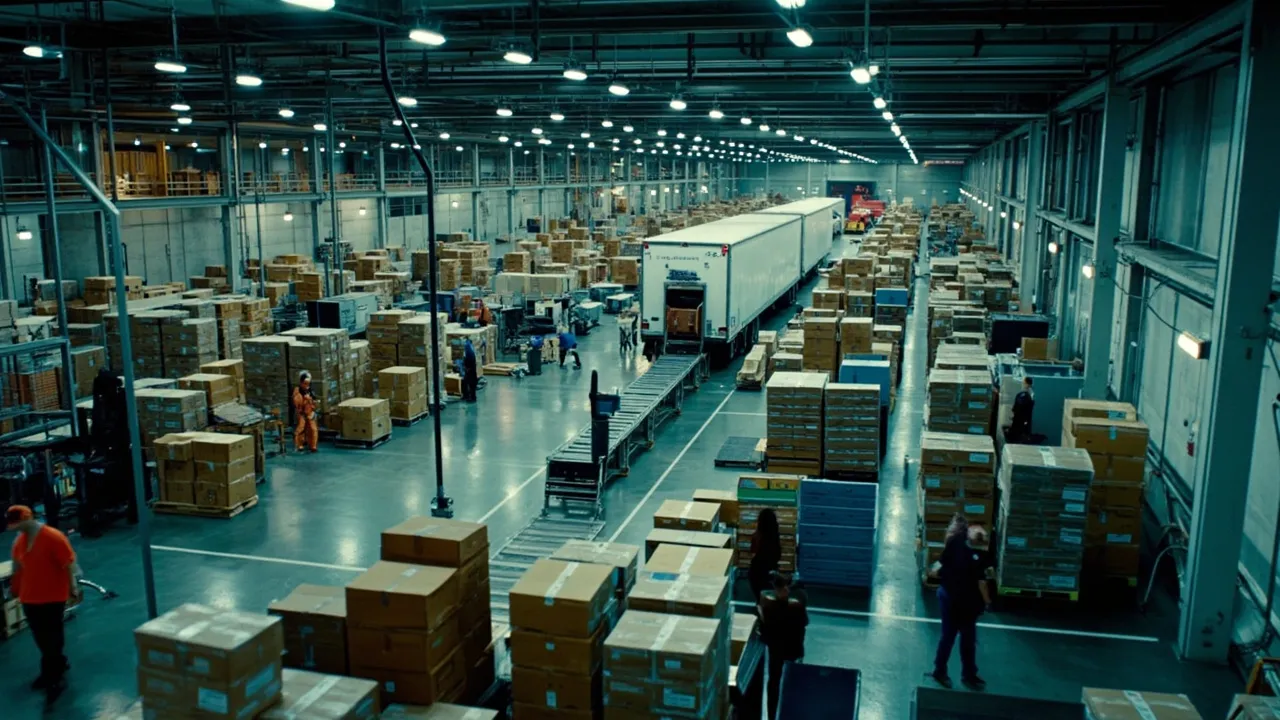
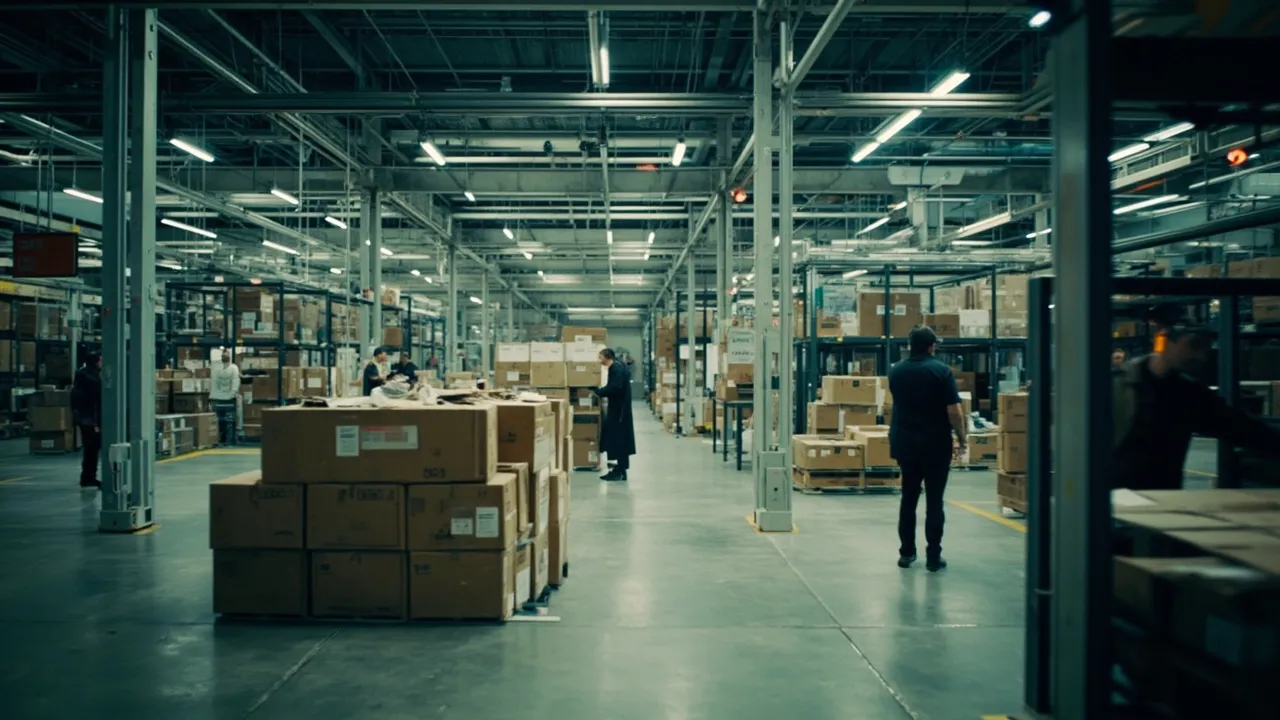
The operational detail that matters most is not the headline capacity. It is the handoff pattern. Orders are picked at DHL's Creekside Parkway warehouse outside Columbus, then moved about 10 minutes to a Groveport facility on Rohr Road for embroidery and print customization before shipping to customers.
That is a tight network. It is also a chain of events where a small miss can become a customer-facing failure.
Outsourcing Does Not Remove Execution Risk
The strongest 3PL relationships reduce operating burden, but they do not erase accountability. If a customer orders personalized workwear, the brand experience depends on the correct item being picked, transferred, decorated, quality checked, packed, tendered, and delivered against the promise made at checkout or by the sales team.
In a conventional warehouse-only model, a brand may be comfortable measuring shipped-on-time performance at the facility level. In an end-to-end model, that is too blunt. A shipment can be "on time" by one metric while still hiding the reason a customer promise is deteriorating: delayed pick release, missing blank inventory, a transfer missed between facilities, a personalization queue over capacity, a carrier tender failure, or a label issue after customization.
The 1.3 million-unit figure makes this point sharper. At that scale, event control cannot depend on a supervisor remembering which orders are in which step. Even a 1% exception rate would mean 13,000 units requiring attention across a year. If exceptions are not coded by event type and owner, the network may keep moving while the root cause stays invisible.
The 3PL Market Is Pushing Toward Broader Scope
Strauss is not alone in expecting more from outsourced logistics partners. Inbound Logistics' Top 100 3PL Providers list shows how broad the modern 3PL service menu has become: fulfillment, pick/pack, kitting, subassembly, ecommerce, crossdocking, final mile, inventory management, global logistics, control towers, TMS, WMS/WES, automation, optimization, and visibility all appear across provider profiles.
That breadth is useful, but it creates a coordination problem. A brand buying warehousing, value-added services, and transportation from the same partner needs more than a monthly scorecard. It needs to know which event completed, which event failed, which system owns the next step, and whether the customer promise is still viable.
The market pressure is not easing. Logistics Management's 37th State of Logistics coverage reported that international transportation management, including air and ocean forwarding, customs brokerage, warehousing, compliance, and inland transportation, was the fastest-growing 3PL segment in 2025, rising 7.7% to $85.9 billion in gross revenue. Armstrong & Associates forecasts domestic transportation management will be the fastest-growing 3PL segment in 2026, increasing 8.3% to $139 billion, while value-added warehousing and distribution is expected to grow 3.5%.
Those forecasts point to a clear direction: 3PLs are becoming more integrated, more service-rich, and more important to day-to-day customer delivery. That makes event-level governance a practical requirement, not a nice-to-have.
The Event File End-to-End Operations Need
An outsourced operation that includes pick, personalization, transfer, and outbound shipping should have a shared event file for every order. At minimum, that file should include:
- Order release timestamp and order priority
- Inventory allocation and pick completion
- Personalization requirement, work type, and status
- Quality check result and exception reason
- Interfacility transfer departure and arrival
- Pack completion and parcel or LTL readiness
- Carrier tender, acceptance, and pickup confirmation
- Shipment tracking, delivery promise, and exception owner
The key is sequence. Each event should either unlock the next step or trigger an exception before the order falls behind. If the pick is complete but the transfer is late, the system should know the personalization queue has not actually received the work. If customization is done but the carrier tender is rejected, customer communication should not wait until the promised delivery date. If an order contains both personalized and non-personalized items, the split-shipment rule should be visible before labor starts.
This is where many outsourced networks underperform. They have status, but not enough context. "In process" is not useful when an order can be in picking, waiting for transfer, queued for embroidery, held for quality review, packed but not tendered, or tendered but not picked up. The operating question is not "Where is the order?" It is "Which event is blocking the customer promise?"
KPIs Need Event Evidence Behind Them
End-to-end 3PL deals often launch with strong executive alignment: faster turnaround, better customer experience, scalable capacity, and streamlined order processing. Those goals are legitimate. But once volume grows, the relationship needs evidence behind the KPI.
On-time shipment percentage is an outcome. It does not explain whether the failure came from inventory, labor, personalization capacity, transfer timing, carrier pickup, address quality, packaging, or system integration. A cost-per-order metric can hide expensive rework. A warehouse productivity metric can look healthy while customized orders wait in a queue that transportation cannot see.
Event evidence gives both sides a better conversation. The brand can see whether demand patterns are creating unrealistic personalization promises. The 3PL can show where upstream release timing or order changes are creating waste. Transportation teams can see when an order is truly ready to tender. Customer service can communicate based on current execution, not hope.
That matters most when the 3PL becomes part of the brand experience. Personalized workwear, medical kits, ecommerce bundles, repair parts, high-value industrial components, and retail launch orders all carry expectations that are more specific than "ship when available." The customer may not know which company picked, decorated, packed, or moved the order. They only know whether the brand delivered.
Where CXTMS Fits
CXTMS helps logistics teams keep outsourced fulfillment connected to transportation execution. When order release, pick completion, value-added service status, transfer legs, carrier tendering, shipment confirmation, and delivery exceptions live in one operating view, the brand and the 3PL can manage the customer promise together.
That is the difference between outsourcing activity and controlling execution. A 3PL can run the warehouse. A carrier can move the freight. But the brand still needs a connected record of the events that determine whether the order is on track.
If your team is scaling outsourced fulfillment, adding value-added services, or asking a 3PL to become a larger part of the customer experience, schedule a CXTMS demo. We will show how event-level transportation visibility turns 3PL execution into a controlled workflow instead of a black box.