CMA CGM's FedEx Supply Chain Deal Makes Contract Logistics a Network-Control Play

CMA CGM's move for FedEx Supply Chain is not just another logistics acquisition. It is a clear signal that contract logistics is becoming a network-control business.
FreightWaves reported that CMA CGM agreed to acquire FedEx Supply Chain for $1.4 billion in enterprise value. The deal is expected to close later this year, subject to routine regulatory approvals, and would nearly triple CEVA Logistics' North American contract logistics operations.
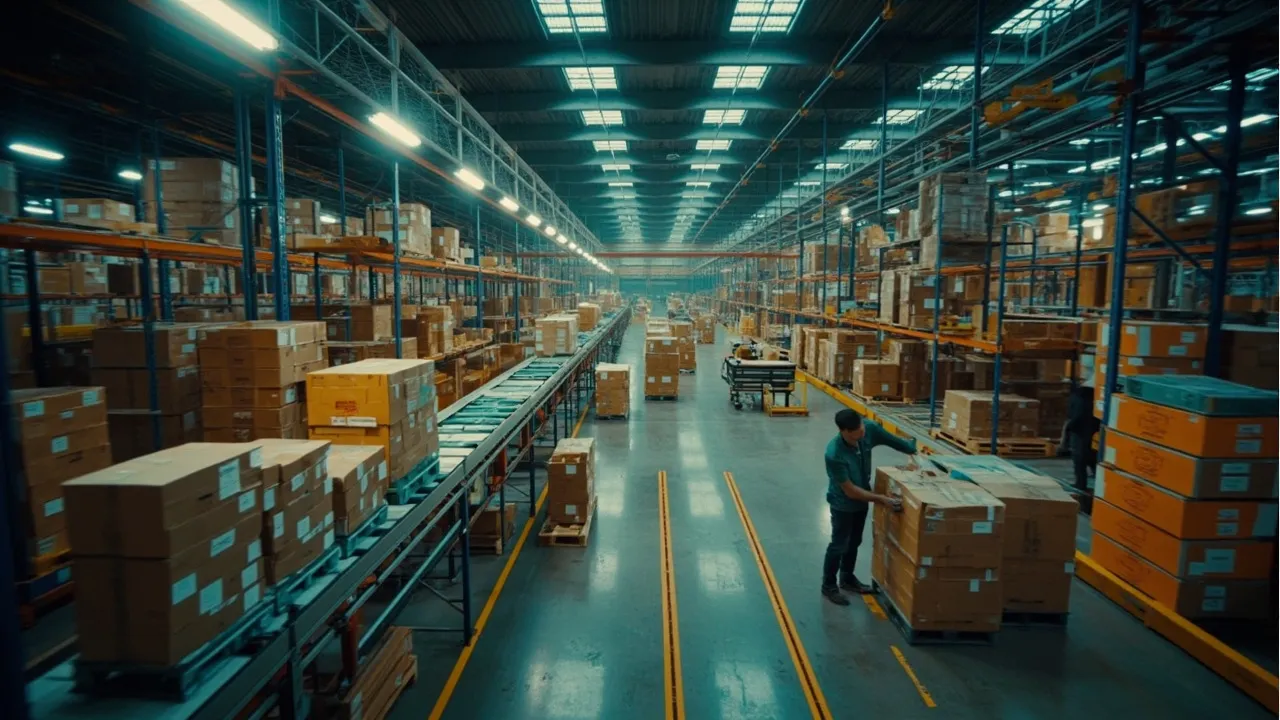
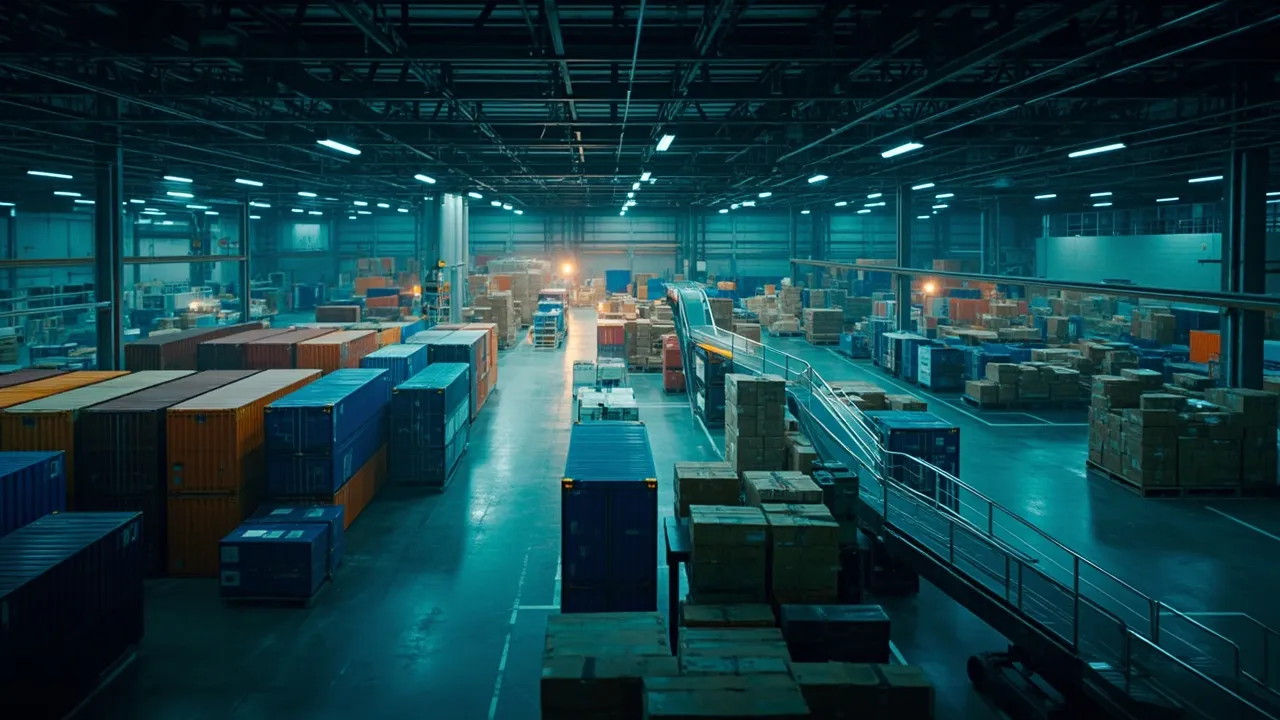
The operating numbers explain why this matters. FreightWaves said the combined entity would run about 150 warehouses, with CEVA's North American footprint expanding to 20,000 people across more than 240 locations. FedEx Supply Chain itself brings about 10,000 employees, 80 facilities, roughly 34 million square feet under management, and 130 customers.
That is not a bolt-on warehouse deal. It is a control-layer deal.
Contract Logistics Is Moving Upstream
Warehousing used to sit slightly downstream of transportation strategy. A shipper chose ocean capacity, domestic carriers, parcel partners, and warehouse providers, then stitched those relationships together with internal planning, emails, spreadsheets, and whatever exception process the team could sustain.
The CMA CGM-FedEx Supply Chain agreement points in a different direction. CMA CGM already owns a major ocean network, has built air cargo capability, and controls CEVA Logistics. Adding FedEx Supply Chain would deepen its reach into warehousing, fulfillment, distribution, reverse logistics, product configuration, testing, repair, refurbishment, and liquidation.
Logistics Management noted that the acquisition would expand CMA CGM's U.S. contract logistics business while continuing FedEx's effort to streamline its operations. It also reported that CMA CGM has steadily expanded since buying CEVA Logistics in 2019, adding warehousing, air cargo, port terminals, and e-commerce fulfillment to a broader transportation and logistics network.
That broader network is the point. The biggest logistics providers are not trying to win one shipment at a time. They are trying to control more of the handoffs around the shipment.
The Deal Bundles More Than Capacity
The obvious shipper benefit is simplicity. A single provider that can connect ocean freight, air freight, warehousing, fulfillment, returns, and value-added services can reduce friction. There are fewer interfaces to manage, fewer commercial relationships to renegotiate, and fewer places where a shipment can fall between ownership boundaries.
The commercial agreements around the transaction make that even clearer. FreightWaves reported that CMA CGM and FedEx expect to enter multi-year commercial agreements related to air and ocean freight once the transaction is finalized. CMA CGM would become a preferred ocean carrier for FedEx under a non-exclusive agreement, and the companies would also work together on select air cargo capacity solutions. Those agreements are expected to begin in phases between now and 2028.
This is a useful arrangement for both sides. FedEx can narrow its focus around transportation and parcel while still retaining strategic access to logistics capabilities. CMA CGM can put more warehouse, air, ocean, and fulfillment activity inside a coordinated network.
For shippers, though, the operational question is sharper: when more execution sits inside one provider ecosystem, who owns the independent truth about the order?
The Risk Is Data Dependency
Bundled networks can make execution smoother, but they can also make visibility more dependent on the provider running the bundle. A warehouse handoff, ocean booking, air conversion, return authorization, product disposition, and final customer promise may all touch the same provider family. That can be efficient. It can also leave the shipper with a narrower view if the system of record is controlled by the same party that is being measured.
The issue is not distrust. It is operating discipline.
Shippers still need independent records for carrier choice, tender timing, warehouse release, milestone confirmation, exception cause, cost approval, service failure, and customer-impact decisions. If a provider controls more of the physical network, the shipper's transportation management layer needs to be even more precise about what happened, who owned it, and which alternatives were available at the decision point.
That matters during normal operations, and it matters more during disruption. A late inbound ocean container might affect warehouse labor planning. A missed warehouse release could force air freight. A return flow could consume capacity needed for outbound orders. A product repair or refurbishment delay could change available-to-promise inventory. In a bundled network, these events are connected. The data model has to be connected too.
Market Growth Raises the Stakes
The deal also lands in a freight market where scale still matters. Mordor Intelligence estimates the global freight and logistics market at $6.68 trillion in 2026, growing to $8.49 trillion by 2031 at a 4.91% CAGR. It also highlights e-commerce penetration, same-day delivery expectations, infrastructure upgrades, near-shoring, Scope 3 emissions disclosure, and defense-sector stockpiling as growth drivers.
Those drivers all push shippers toward more complex execution. E-commerce creates tighter fulfillment and return requirements. Near-shoring creates new regional lanes and border handoffs. Scope 3 reporting creates demand for better shipment-level evidence. Same-day and next-day expectations make warehouse placement and carrier orchestration more important.
That is why contract logistics is attractive to global network operators. Warehousing is no longer just storage. It is the physical control point where inventory, transportation, customer promises, returns, compliance evidence, and cost decisions meet.
What Shippers Should Control
Shippers do not need to reject bundled logistics networks. In many cases, the integrated model will be the right answer. The mistake is treating integration as a substitute for control.
Start with warehouse handoffs. The transportation team should know when freight is received, staged, released, shorted, damaged, held, or reworked. A shipment should not become invisible because it has moved from carrier status to facility status.
Next, protect carrier-choice records. If a provider offers ocean, air, truck, and warehouse services, the shipper should still preserve the reason a mode or carrier was selected. Cost, service, capacity, risk, customer priority, and approval ownership should remain visible.
Then connect air and ocean milestones to downstream promises. A vessel delay, airport recovery issue, or customs hold is not just a freight event. It can change warehouse labor, final-mile allocation, and customer commitments.
Finally, treat returns as part of the same network. Reverse logistics often reveals the weakest data discipline because the shipment is no longer tied to a clean outbound order path. Yet returns affect inventory availability, repair capacity, refurbishment timing, liquidation decisions, and customer satisfaction.
A Neutral Execution Layer Matters
As logistics providers build larger controlled networks, shippers need a neutral execution layer that can work across provider ecosystems instead of disappearing inside one of them.
CXTMS gives freight forwarders and logistics teams a way to manage warehouse handoffs, carrier selection, air and ocean milestones, return flows, and service accountability in one transportation workflow. It keeps exceptions tied to shipments, decisions tied to owners, and customer promises tied to the actual movement of freight.
The CMA CGM-FedEx Supply Chain deal shows where the industry is going: fewer loose handoffs, more bundled capabilities, and more provider-controlled data. That can be powerful. But the shipper still needs its own operating record.
If your logistics network now depends on more warehouses, carrier partners, value-added services, and return flows than your current tools can control, schedule a CXTMS demo to see how CXTMS helps turn complex execution networks into accountable shipment operations.