Capital Goods Imports Are a Capacity Signal for Industrial Freight Teams

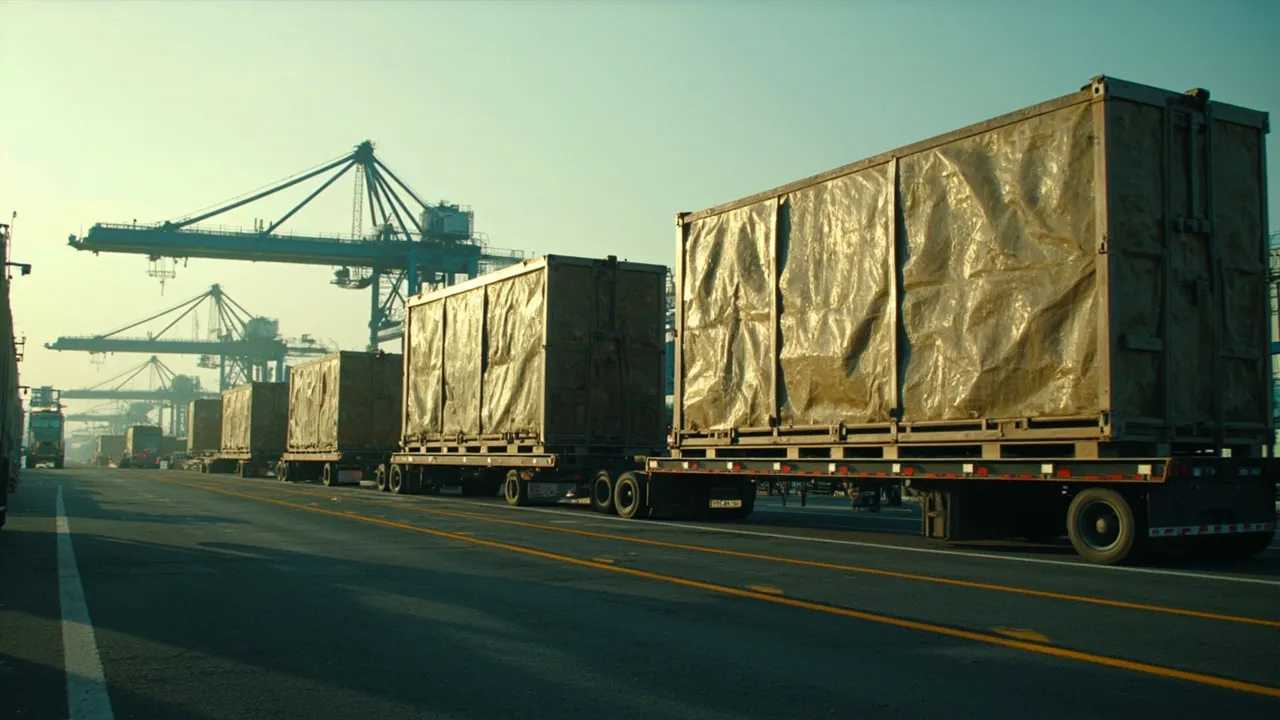
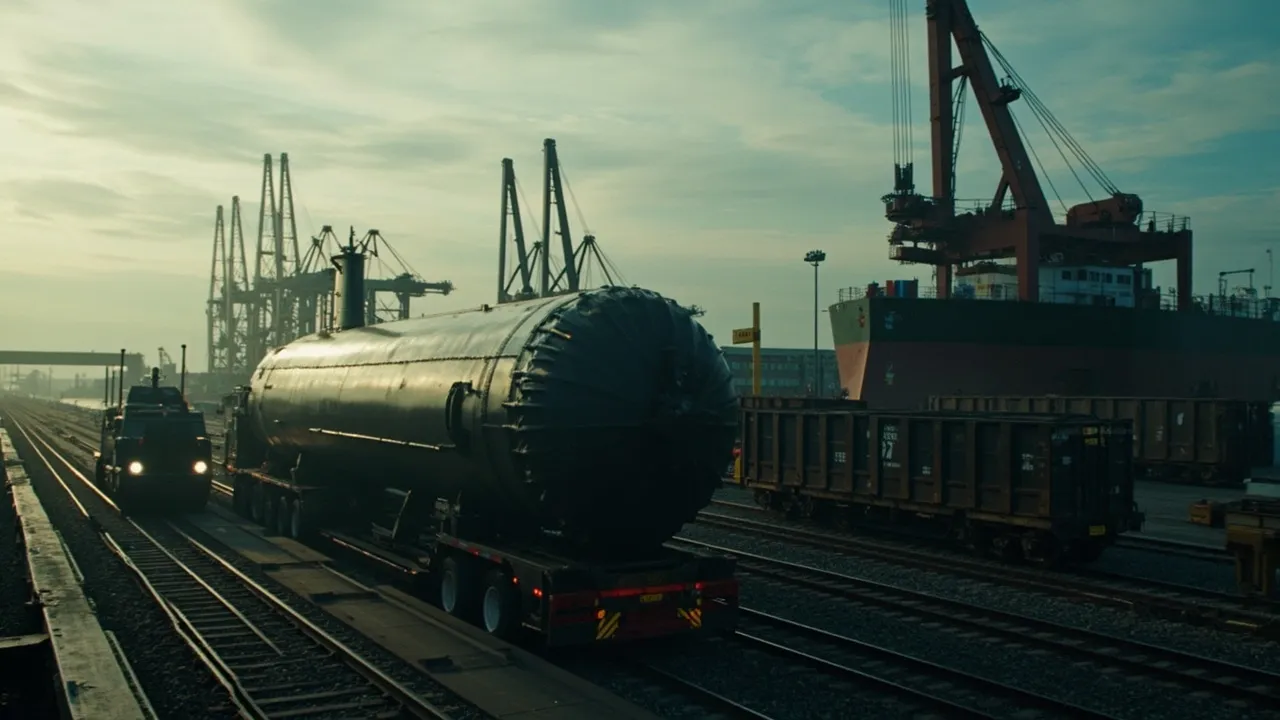
Capital goods imports are not just a macroeconomic line item. For industrial logistics teams, they are an early warning that heavier, more specialized freight is entering the network and will compete for scarce handling capacity long before the equipment reaches a plant floor, jobsite, or customer installation window.
Reuters reported that the U.S. trade deficit widened sharply in May as capital goods imports hit a record high. The same trade-data signal showed a merchandise deficit of $105.8 billion, up 27.4%, with goods imports rising 3.6% while goods exports fell 5.4%. Capital goods imports were nearly 42% higher year over year, a surge that should matter to freight planners even if consumer restocking feels uneven.
That mix matters because capital goods do not move like retail inventory.
Industrial Imports Stress Different Parts of the Network
Consumer goods usually create pressure through volume, cube, parcel density, store replenishment cadence, and warehouse labor. Capital goods create pressure through weight, geometry, value, sequencing, and installation timing.
A container of consumer merchandise can often be redirected to another DC, held in overflow storage, or split into alternate outbound flows. A machine tool, production line component, compressor, transformer, aircraft part, or industrial control system is less forgiving. It may need flatbed, step-deck, lowboy, heavy-haul, air-ride, crane service, rigging crews, escort permits, route surveys, bonded handling, engineer signoff, or site readiness before delivery is even possible.
The freight team does not only have to ask, "When does it arrive?" It has to ask, "Can this node physically receive it, stage it, protect it, move it, and release it without damaging a production schedule?"
That is why a record in capital goods imports should be read as a capacity signal. It points toward future demand for specialized drayage, breakbulk handling, project warehouses, industrial yard space, secure storage, and appointment windows coordinated around technicians, cranes, and commissioning teams.
Project Logistics Is Already a Large Market
The project freight backdrop is not small. Mordor Intelligence's project logistics market analysis estimates the market at $464.30 billion in 2025, growing to $487.62 billion in 2026 and $624.06 billion by 2031, a 5.06% CAGR. The cargo profile is important too: oversized cargo accounted for 32.61% of the market in 2025, while heavy-lift cargo is projected to grow at a 5.65% CAGR through 2031.
Those numbers explain why industrial freight teams should not treat capital goods as a normal import queue with a heavier bill of lading. This is a specialized operating environment where a missing field can become a real delay.
If the shipment record says only "machinery," the receiving site may not know the crate dimensions, center of gravity, floor-loading requirement, lifting points, unloading plan, or whether installation is blocked until a spare part clears customs. If the transportation plan does not show the staging site, the move may arrive before the site can accept it. If the appointment is scheduled like ordinary dock freight, the carrier can arrive without the right offload equipment.
The result is predictable: detention, demurrage, storage charges, rework, production delay, and emergency escalation.
Build the Industrial Freight Signal
Industrial freight teams need a richer signal before the cargo hits the dock. The first field is commodity family. A turbine, packaging line, electrical cabinet, machine tool, robotics cell, aerospace component, and medical manufacturing asset all carry different handling and documentation risks.
The second field is port of entry. Capital goods often move through gateways selected for equipment, space, or breakbulk capability rather than the lowest ocean rate. Port choice affects drayage availability, storage options, customs exam risk, and the distance to a staging site.
Next comes handling requirement. This should include dimensions, weight, lift points, tilt restrictions, shock sensitivity, hazardous components, weather protection, crate condition, and whether the shipment requires crane, forklift, rigging, or special permits.
The fourth field is staging site. Industrial freight often needs a controlled buffer between port release and final delivery. That site might be a project warehouse, laydown yard, bonded warehouse, manufacturer facility, or temporary holding location near the jobsite.
The fifth field is crane or rigging dependency. A shipment is not ready for delivery if the truck is booked but the lift crew is not. The freight record should show whether rigging is confirmed, who owns it, what equipment is required, and when the release window opens.
The sixth field is delivery window. Capital goods can be tied to contractor schedules, shutdown windows, line conversions, validation work, or customer acceptance tests. Missing the window may be more expensive than the freight itself.
Finally, the record needs production impact. If a shipment delays installation, stops a plant expansion, blocks maintenance, or holds up customer delivery, the escalation path should be visible before the issue becomes a late-night emergency.
Capacity Planning Needs More Than a Shipment ETA
Logistics Management's 37th State of Logistics coverage reports that U.S. business logistics costs totaled $2.4 trillion, or 7.8% of GDP, and frames volatility as a permanent feature of supply chains. Industrial import teams live that volatility through a narrower but sharper lens: the right capacity is not just a truck, container, or warehouse slot. It is the right equipment, crew, node, document, and appointment synchronized around a shipment that may not be easy to move twice.
That makes capital goods import growth operationally useful. It tells freight teams to review specialized carrier capacity, secure staging options, check port handling assumptions, pre-clear equipment data, and connect import milestones to project schedules. The earlier those signals are structured, the less likely the team is to discover the constraint after cargo arrives.
Where CXTMS Fits
CXTMS helps industrial freight teams connect project-aware shipment milestones, handling notes, port and staging details, carrier requirements, document status, delivery windows, and escalation rules in one transportation workflow. That matters when capital goods imports rise, because the risk is not only transportation delay. It is downstream operational impact.
If your industrial freight program still manages heavy equipment imports through generic shipment notes, disconnected emails, and manual escalation, request a CXTMS demo. CXTMS helps turn capital goods movement into a controlled execution record before a capacity signal becomes a production problem.