The AI Memory Crunch Is Becoming a Logistics Problem for Server Supply Chains

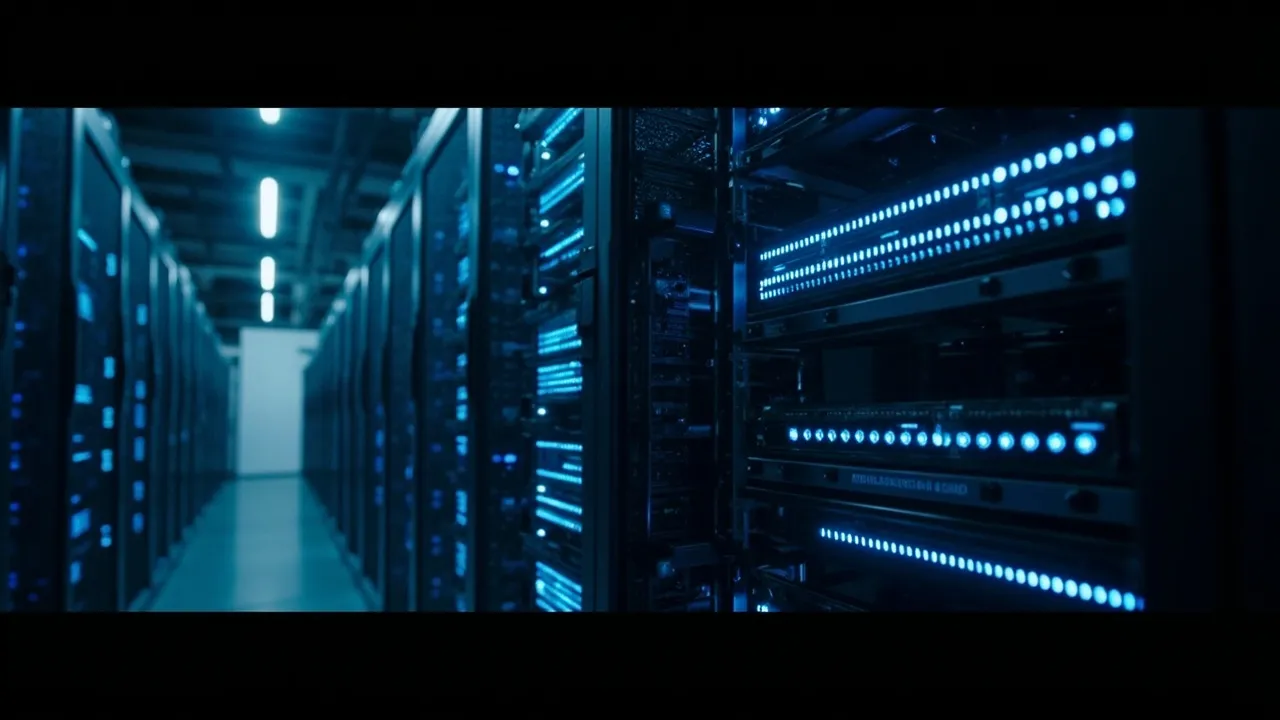
When Dell's COO told investors in late May that the company was repricing products "every day" due to memory costs, he wasn't exaggerating. The memory market isn't going through a routine shortage — it's undergoing a structural reorientation that is reshaping how enterprise servers move from factory to data center.
The cause is well-known in chip circles: artificial intelligence infrastructure is consuming memory capacity faster than manufacturers can add it. High-bandwidth memory, or HBM, the dense stacked DRAM used in AI accelerators, has become the priority production target for Samsung, SK Hynix, and Micron. That shift is pulling wafer capacity away from conventional server memory — the kind that runs enterprise software, databases, and traditional workloads — creating shortages that are now rippling into server lead times and delivery commitments.
Dell and Hewlett Packard Enterprise confirmed the strain on recent earnings calls. Dell reported total revenue of $43.8 billion in its most recent fiscal quarter, up 88% year over year — a figure driven in large part by memory inflation and supply constraints, not just volume growth. HPE said AI cloud provider server revenue rose 15% sequentially, with higher average selling prices pushing revenue per unit up even as unit volumes faced their own ceiling from component availability.
Why This Is a Logistics Problem, Not Just a Procurement Problem
The conventional response to component shortages is to buy earlier and carry more safety stock. For consumer electronics, that works. But server supply chains are different — the components involved have long shelf lives when stored properly, but lead times on configured-to-order systems stretch from weeks to months depending on memory tier and GPU compatibility. When memory availability shifts week to week, the logistics of coordinating inbound component flow, finished goods assembly, and customer delivery windows becomes exponentially harder.
Dell's approach has been to prioritize large strategic customers and use three- to five-year supply agreements to lock in allocation. HPE is working directly with memory partners on long-term capacity reservations. Both strategies shift the burden: for customers not in the top tier of a vendor's account hierarchy, lead times become unpredictable and configuration flexibility shrinks.
That trickle-down effect is where electronics shippers feel the real impact. Distributors, value-added resellers, and mid-market IT teams that configure and deploy servers for specific customer environments are operating with less visibility into component-level availability than the OEM tier. When a memory module substitution changes the thermal profile or power draw of a configured system, the ripple extends to rack layout, cooling requirements, and installation timelines.
What Component-Level Exception Visibility Actually Requires
The instinct for IT procurement teams is to push the visibility problem upstream — ask Dell or HPE for better lead time data, request tighter commit windows from contract manufacturers. But the real leverage is in the shipper's own data infrastructure.
Component-level exception visibility means knowing not just when a system will arrive, but which memory modules, storage drives, and GPU components are being allocated to which purchase orders, in what sequence, against what backlog. For electronics distributors and MSPs managing multi-customer environments, that level of granularity is the difference between proactively rebooking customer appointments and scrambling when a shipment shifts by four weeks.
CXTMS handles freight prioritization and milestone tracking across the inbound leg of electronics supply chains — from contract manufacturer to distribution center to customer site. When memory or component constraints cause reallocation at the OEM level, CXTMS visibility helps logistics teams update customer commitments without a manual reconciliation loop.
What Shippers Should Track Now
Memory constraints aren't a problem that will solve itself in the next quarter. According to the Global Electronics Association's 2026 memory market report, manufacturers are making a structural choice about how to allocate constrained wafer capacity — and that choice favors AI-adjacent memory through at least the next product cycle. Shippers managing server logistics should be tracking three things:
Lead time variance by memory tier. Configured systems with HBM or high-capacity DRAM are seeing longer delays than standard DDR5 configurations. Knowing which tier applies to your orders matters for customer communication.
OEM allocation ranking. If you're not a strategic account at Dell or HPE, your allocation priority is lower. Understanding where you sit in the allocation hierarchy helps set realistic customer expectations.
Configuration substitution risk. When memory isn't available in the specified tier, OEMs will substitute — sometimes with components that change power, thermal, or physical fit requirements. Logistics teams need to know about substitutions before systems arrive at the customer dock.
The AI infrastructure buildout is creating winners and losers in server supply chains, and the dividing line isn't size alone — it's how well logistics teams can translate component-level volatility into actionable customer communication. Shippers who can see exceptions before they become problems will keep their customer relationships intact. Those who find out about delays the day before a scheduled delivery will be rebuilding trust instead of completing installations.
Source: Supply Chain Dive
Need better visibility into constrained electronics supply chains? Talk to CXTMS about milestone tracking, allocation exceptions, and customer delivery promises.