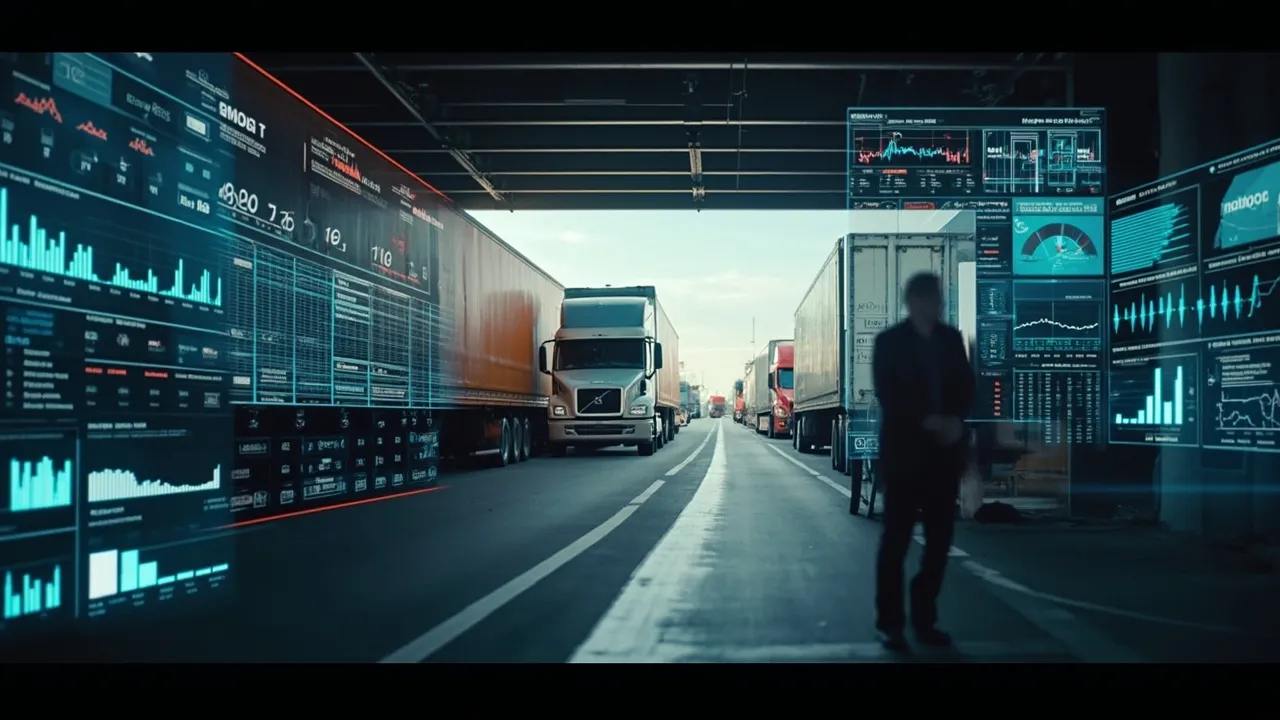
Government and Education Logistics Is a $568B Market Hiding in Plain Sight

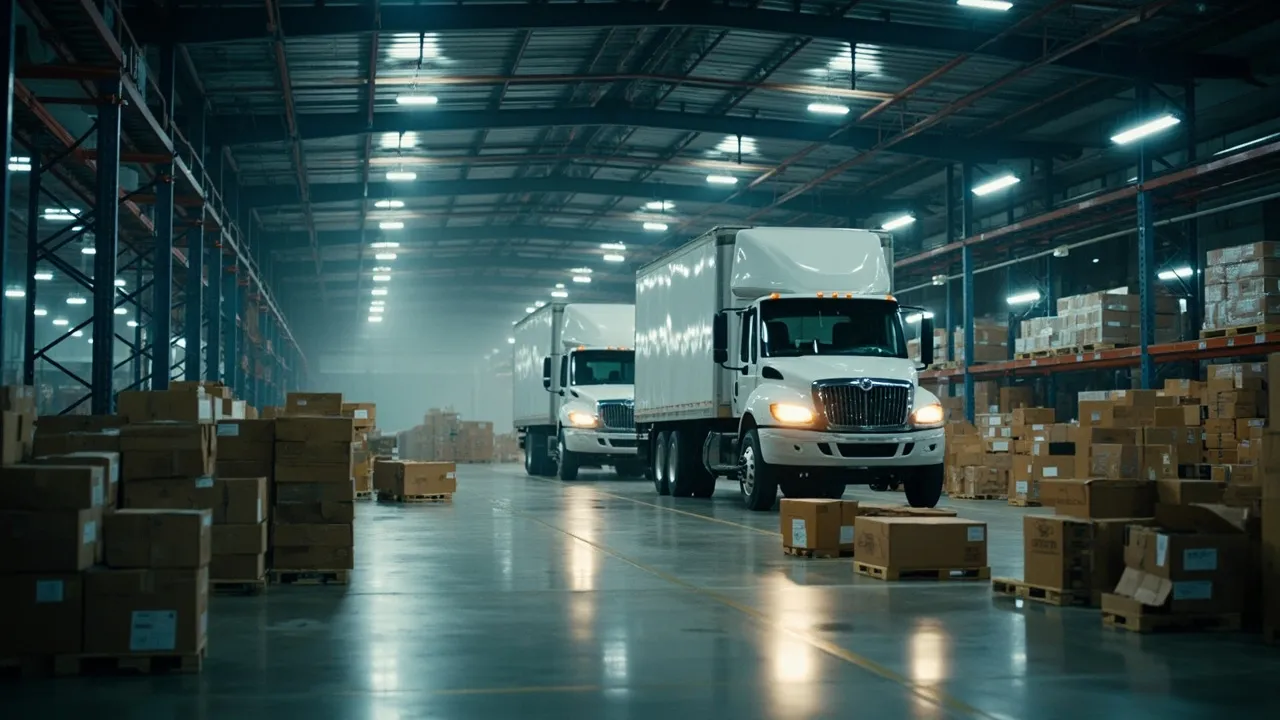
Public-sector logistics is easy to underestimate. School districts buy laptops and meal supplies. Universities move lab equipment and campus inventory. State agencies replenish facilities. Federal programs ship medical, defense, infrastructure, and emergency-response materials. Individually, those flows look mundane. Together, they form one of the world's largest and most compliance-heavy logistics markets.
Mordor Intelligence estimates the government and education logistics market will reach $568.60 billion in 2026 and $802.60 billion by 2031, a 7.14% CAGR. That is not a niche. It is a freight economy roughly the size of a major industrial sector, shaped by public procurement rules, budget cycles, security requirements, sustainability mandates, and the operational reality that schools and agencies cannot simply miss service windows because the network got messy.
The market is also changing in a way transportation leaders should notice: basic movement still dominates spend, but the growth is moving toward services that require better data, tighter controls, and stronger audit trails.
Transportation still carries the load
Mordor reports that transportation held 49.66% of government and education logistics market share in 2025. That makes sense. Public-sector supply chains are physically broad and service-sensitive. A state agency may need scheduled delivery into hundreds of facilities. A K-12 district may distribute meals, devices, cleaning supplies, furniture, and maintenance parts across rural and urban routes. A university system may move scientific instruments, residence hall inventory, facilities materials, event equipment, and IT assets across multiple campuses.
Transportation is not optional plumbing here. It is how policy becomes execution. Broadband stimulus becomes router deliveries. Emergency preparedness becomes stockpile movement. Green procurement becomes vehicle and mode choices. Campus expansion becomes inbound construction, lab, library, and technology flows.
The challenge is that public-sector transportation rarely has the clean simplicity of a single commercial shipper network. It must live inside contract terms, grant deadlines, receiving rules, documentation requirements, union or labor constraints, budget authorization, and public accountability. A late delivery into a commercial distribution center is a service failure. A late delivery into a school lunch program, disaster stockpile, or public health campaign can become a political problem.
That is why routing, carrier assignment, proof of delivery, exception documentation, and invoice accuracy matter so much. Public buyers need to know not only that freight moved, but that it moved under the right contract, with the right carrier, at the right rate, to the right authorized location, with evidence that can survive an audit.
Value-added services are where the market gets interesting
The stronger growth story is not just more trucks. Mordor says value-added services are projected to expand at a 10.57% CAGR through 2031, faster than the market overall. That shift is the clue: public-sector logistics is becoming more operationally specialized.
Consider K-12 technology programs. A district does not just need pallets of laptops dropped at a central warehouse. It may need device kitting, barcode capture, asset tagging, student-level packaging, secure delivery, returns, refurbishment, data wiping, warranty routing, and redeployment. Those are logistics tasks, but they are also compliance and asset-control tasks.
Campus logistics has the same pattern. Higher education supply chains now support distributed campuses, research partnerships, housing operations, foodservice, athletics, facilities, medical programs, and international academic networks. Moving a microscope, a cold-chain research sample, or a controlled prototype is not the same as moving office supplies. The logistics provider must understand handling requirements, security, chain of custody, customs documentation, and receiving constraints.
Government agencies add another layer. Public procurement increasingly rewards resilience, emissions reduction, cybersecurity readiness, and transparent reporting. Mordor notes that U.S. Cybersecurity Maturity Model Certification 2.0 and the European Union's Green Public Procurement rules are raising entry barriers for providers that cannot modernize. That matters because the transportation management system behind the operation must capture more than shipment status. It must support contract controls, compliance evidence, carbon-related data, approved carrier rules, and secure information handling.
Public-sector procurement is becoming a logistics design constraint
The private sector can often change vendors quickly when performance fails. Government and education buyers usually cannot. Procurement cycles are slower, contracts are more formal, and spend decisions face public scrutiny. That makes bad logistics architecture expensive. If the transportation plan cannot handle exceptions, documentation, and invoice validation from day one, the buyer may be stuck with workarounds for years.
This is where the market's growth creates risk. Public agencies are pushing toward resilience after pandemic-era shortages, green procurement after emissions mandates, and digital transparency after years of fragmented inventory data. Each priority is reasonable. Combined, they increase operating complexity.
A carrier may be contractually approved but lack the right emissions profile for a tender. A supplier may ship on time but fail to provide the documentation required for grant reimbursement. A district may have assets in transit but no reliable chain-of-custody record by school or student. A university may consolidate buying but still lack visibility across campus receiving points. None of those failures are solved by a spreadsheet and a monthly carrier report.
Inbound Logistics' 2026 technology coverage described supply chain technology moving from visibility toward orchestration, with AI increasingly acting as a "system of action" rather than a bolt-on feature. That direction fits public-sector logistics. Visibility alone tells an agency where a shipment is. Orchestration helps decide which carrier is eligible, which contract applies, which documents are missing, which receiving site is constrained, and which exception needs escalation before a deadline is missed.
The audit trail is the operating system
For freight forwarders, carriers, and 3PLs serving public-sector customers, the winning capability is not simply capacity. It is controlled execution. That means shipment records tied to contracts, rates, purchase orders, assets, receiving locations, proof of delivery, exception notes, and invoice approval. It also means a clean history of who changed what and why.
Auditability should not be an afterthought added when finance asks for backup. In government and education logistics, the audit trail is part of the product. It supports compliance reviews, grant reporting, bid renewals, damage claims, reimbursement, sustainability reporting, and public accountability.
What logistics teams should do now
First, segment public-sector freight by compliance burden, not just mode or spend. A laptop deployment, a facilities replenishment route, a research shipment, and a school meal program do not carry the same documentation risk.
Second, map contract rules into transportation execution. Approved carriers, service levels, rate structures, emissions requirements, delivery windows, and proof standards should be embedded in routing and tendering workflows.
Third, treat assets and shipments as connected records. Public buyers care about where goods are, but they also care about which asset moved, which program funded it, who received it, and what evidence exists.
Finally, design for exception transparency. Missed appointments, partial deliveries, damaged assets, accessorials, and documentation gaps need fast escalation with a clear record, not email archaeology.
CXTMS helps logistics teams bring contract control, carrier workflows, shipment visibility, documentation, exception management, and performance analytics into one transportation operating layer. If your public-sector logistics program is outgrowing spreadsheets and disconnected portals, schedule a CXTMS demo and build the audit-ready visibility these networks now require.