AWG and RELEX Forecast Replenishment: What Grocery Wholesalers Should Learn From AI Planning in 2026

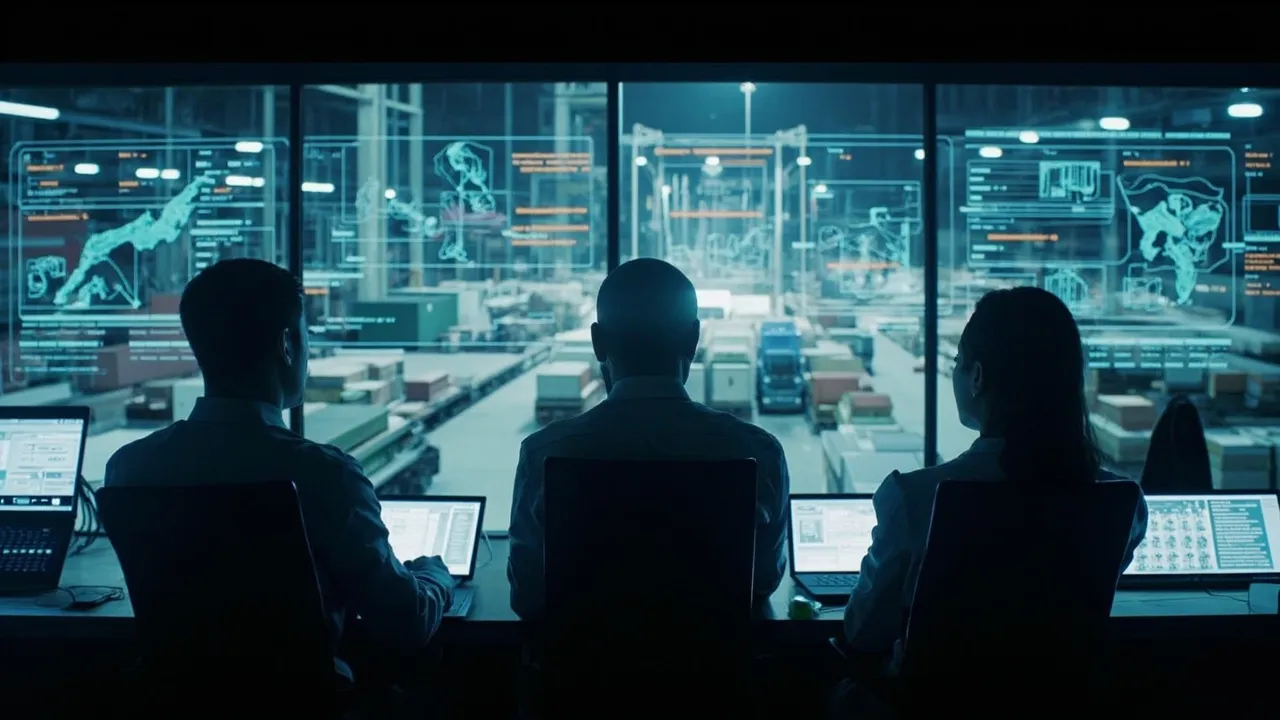
Associated Wholesale Grocers' move to use RELEX for AI-driven forecasting and replenishment across thousands of member stores is not just another planning-system upgrade. It is a signal that wholesale grocery has reached the point where static replenishment logic cannot keep up with fresh inventory, promotion volatility, transportation constraints, and independent-store demand swings.
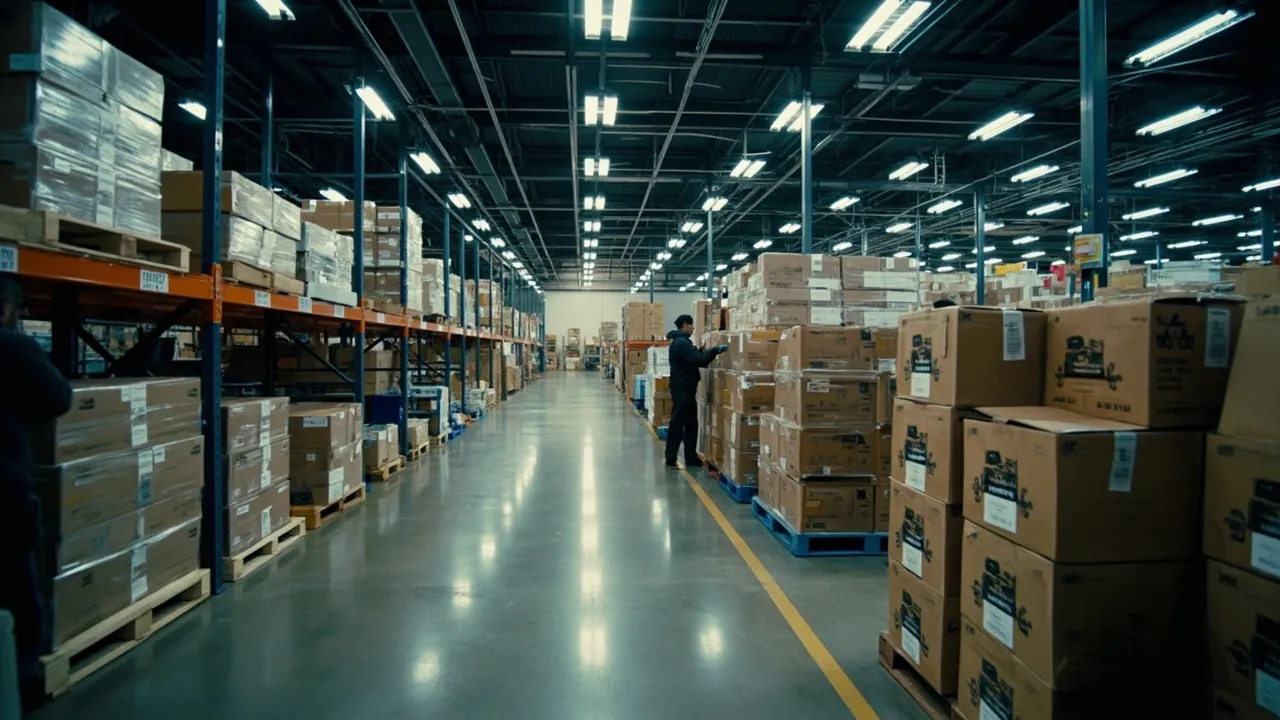
That matters because grocery wholesale is harder than most planning conversations admit. A retailer can optimize its own store network around one merchandising calendar and one operating model. A cooperative wholesaler has to serve many banners, local assortments, different store sizes, different buying behaviors, and DC networks where the cost of a bad forecast shows up fast: spoilage, substitutions, split-case inefficiency, emergency transfers, half-empty trailers, missed delivery windows, and member-store frustration.
The lesson for logistics leaders is blunt: AI replenishment only creates durable value when it is tied to transportation execution. A better forecast that stops at the inventory recommendation is still only half a system.
Why grocery wholesale breaks simple replenishment models
Wholesale grocery demand is volatile at the item, store, and day level. Promotions can pull demand forward. Weather can erase a forecast overnight. Fresh categories punish overstock with shrink and punish understock with lost trips from loyal shoppers. Vendor minimums, case-pack rules, lead-time variability, and constrained refrigerated capacity make the math even uglier.
The 2026 technology data backs up why companies are moving beyond manual rules. SupplyChainBrain reported on RELEX's 2026 survey of 514 retail, manufacturing, wholesale, and supply chain leaders, finding that 67% said confidence in AI for supply chain decision-making increased from the prior year. The same report found 47% are using or planning AI-driven inventory and supply optimization, while 41% are applying AI to logistics and routing. Just as important, only 10% would trust AI to make fully independent supply chain decisions, and 54% prefer AI recommendations with humans making final calls (SupplyChainBrain).
That is the right mental model for grocery. The goal is not a black-box autopilot that overrides buyers and transportation planners. The goal is a recommendation engine that sees more signals than a planner can manually process, then pushes exceptions to the people who understand local business context.
The planning signal has to become a freight signal
A forecast-and-replenishment platform can calculate that a DC needs more yogurt, bottled water, cereal, or produce next week. But the logistics question starts immediately after that recommendation:
- Is the inbound vendor appointment available?
- Will the replenishment plan cube out refrigerated trailers before it weighs out?
- Does the carrier have capacity on the right delivery day?
- Will a promotion-driven spike require an extra shuttle or a modified store route?
- Can the DC receive, slot, pick, and cross-dock the product without creating dock dwell?
Inbound Logistics' 2026 logistics IT survey shows why the execution layer is becoming part of the planning conversation. In its provider survey, 77% of respondents said they now offer AI solutions, up 27 percentage points from two years earlier. Optimization also reached 77%, data management and analytics reached 72%, and modeling, forecasting, and predictive analytics rose to 54% (Inbound Logistics).
Those numbers are useful because they show the market is not buying AI in isolation. It is buying AI, optimization, analytics, and forecasting as connected capabilities. Grocery wholesalers should demand the same connection internally: forecasts should feed transportation planning, dock scheduling, carrier allocation, and exception management before the freight problem becomes visible on the warehouse floor.
Fresh optimization changes the operating cadence
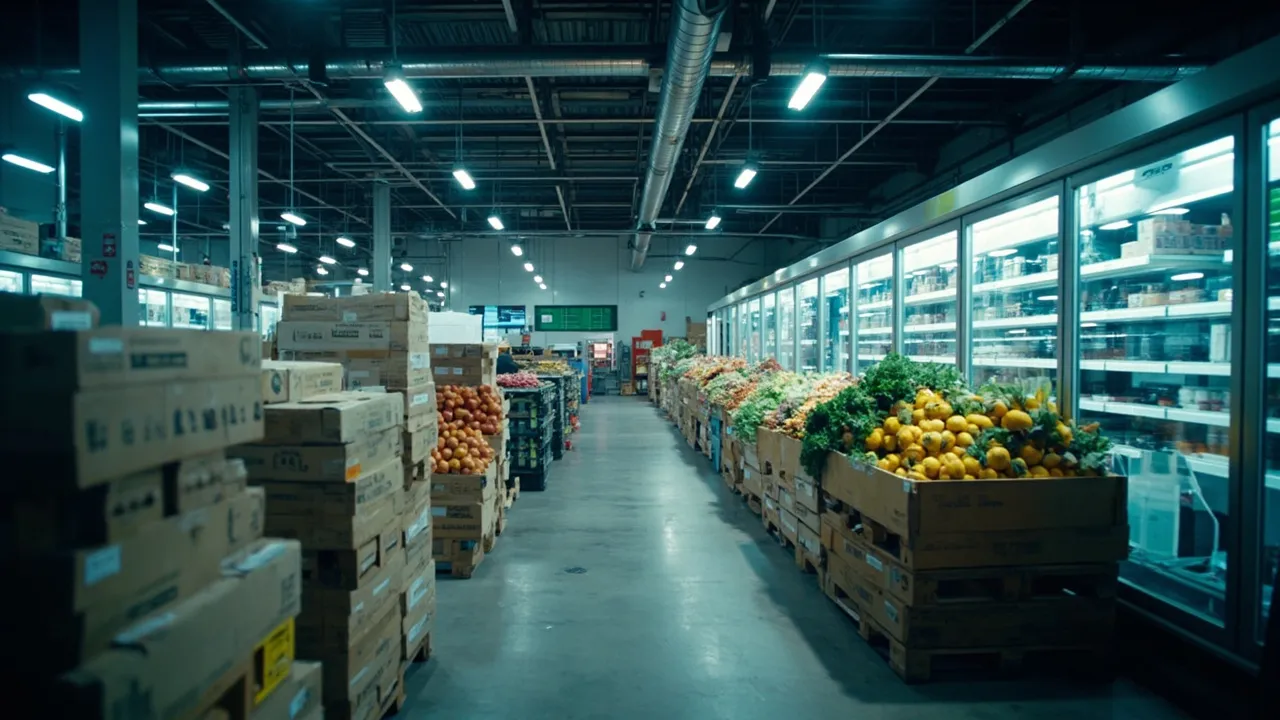
Fresh categories are where wholesale replenishment systems earn or lose trust. The planner is not just balancing service level against working capital. They are balancing service level against shelf life, DC handling time, cold-chain integrity, trailer temperature, and the realistic selling window at the member store.
If AI improves forecast accuracy but transportation still runs on fixed weekly assumptions, the operation will leak value. Shorter replenishment cycles can mean better freshness, but they can also mean more frequent tenders, tighter appointment windows, more LTL exposure, and more pressure on receiving teams. In other words, the planning model may reduce inventory risk while increasing execution risk.
That is why the best grocery wholesalers will measure AI planning projects with logistics metrics, not just inventory metrics. Forecast error matters, but so do truck utilization, tender acceptance, appointment adherence, dock dwell, order fill rate, substitution rate, claims, and store-level service recovery time.
Volatility makes human-in-the-loop planning more valuable
Supply Chain Dive's 2026 trend outlook described a market where tariffs, economic turbulence, cost pressure, and supplier viability continue to force faster operating decisions. One expert in the piece argued that 2026 winners will be companies that identify critical inflection points early and convert them into action quickly (Supply Chain Dive).
That is exactly the gap AI replenishment should close for wholesalers. The system should not simply ask, "How much should we buy?" It should ask, "What changed, what is the recommended action, and what execution constraints could stop that action from working?"
For grocery wholesale, useful alerts look like this:
- A forecast spike for a promoted SKU will exceed available refrigerated capacity on Tuesday.
- A vendor lead-time change creates service risk for 42 stores unless the order date moves forward.
- A weather-driven demand signal justifies a temporary route change, but only for priority stores.
- A fresh item should be replenished less deeply because sell-through risk is worse than stockout risk.
- A DC order recommendation improves availability but worsens truck utilization below the target threshold.
Those are not just planning exceptions. They are transportation, warehouse, and customer-service exceptions.
A practical checklist for grocery wholesalers
Before copying the AWG-RELEX playbook, wholesalers should define what success means across planning and execution:
- Forecast accuracy by category and shelf life. Measure dry grocery, frozen, dairy, meat, produce, and promotional SKUs separately.
- Truck utilization impact. Track whether better replenishment improves cube, weight, route density, and backhaul opportunities.
- Substitution and short-ship risk. Measure whether AI recommendations reduce store-level misses or merely move them to different categories.
- Appointment reliability. Tie replenishment recommendations to vendor and carrier appointment adherence.
- Exception ownership. Decide who approves overrides: buyer, planner, transportation manager, DC supervisor, or member-service team.
- Service-level economics. Compare the cost of higher availability against shrink, premium freight, labor spikes, and working capital.
This is where CXTMS fits. Grocery wholesalers do not need planning intelligence trapped in one system and transportation execution trapped in another. CXTMS helps turn replenishment signals into shipment plans, carrier tenders, appointment workflows, milestone visibility, and exception queues that operators can actually manage.
AI can recommend the right inventory position. CXTMS helps make sure the freight network can deliver it.
Ready to connect smarter replenishment planning to transportation execution? Schedule a CXTMS demo and see how modern logistics teams manage carrier capacity, appointments, exceptions, and service commitments from one operating layer.