CBP’s New Authentication Program Targets $7.3 Billion in Counterfeit Goods at the Border

Counterfeit enforcement has a bad habit of sounding like a brand-protection niche until you look at the numbers. Then it starts looking like an operations problem.
U.S. Customs and Border Protection is expanding a product authentication initiative that began at JFK Airport to additional major U.S. ports, giving frontline officers a faster way to verify whether suspect products are legitimate. That matters because CBP reported seizing nearly 79 million counterfeit items in 2025, with an estimated value of $7.3 billion. Source: CBP Expands Product Authentication Tech Program.
Those are not small, symbolic numbers. They point to a counterfeit problem with enough scale to affect import flows, inspection priorities, and how legitimate shippers think about product identity at the border.
What CBP is actually changing
The core change is practical, not flashy.
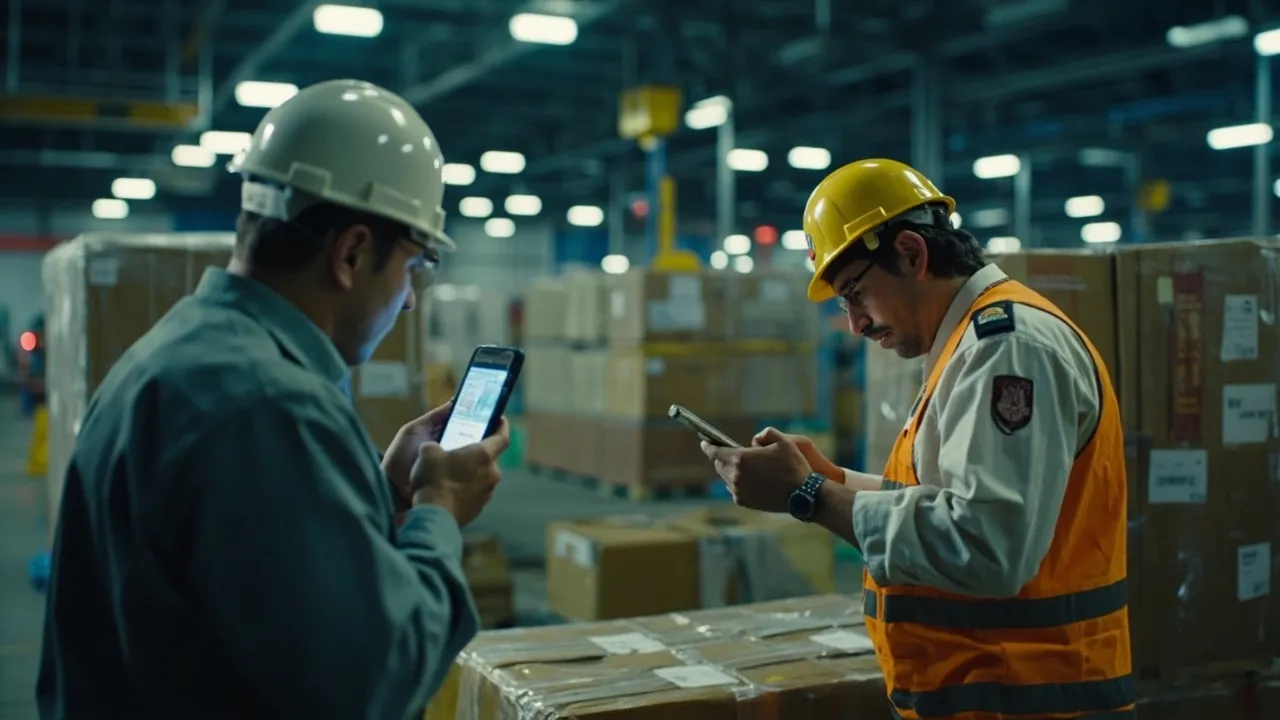
According to SupplyChainBrain, the program was developed with the Alliance for Gray Market and Counterfeit Abatement and uses True Pedigree’s GenuScan technology. The system puts multiple brand authentication tools onto a single mobile platform so CBP officers can check suspect goods in real time using manufacturer data. Just as important, the process does not require importers or manufacturers to change packaging, labels, or production processes.
That last point is the whole ballgame.
Most anti-counterfeit controls fall apart operationally because they add friction. If a verification method requires new packaging lines, special labels, or an expensive serialization redesign, adoption slows down fast. A mobile workflow that plugs into existing customs operations stands a much better chance of scaling across ports.
CBP is clearly betting that border enforcement needs a faster verification layer, one that can help officers decide whether a shipment is legitimate without turning every inspection into a lab exercise.
Why this matters beyond customs headlines
For importers, the big story is not just that CBP caught more fake goods. It is that authentication is becoming part of frontline border operations.
That changes the compliance conversation.
Historically, counterfeit prevention often lived in a silo. Legal teams cared. Brand-protection teams cared. Maybe security cared. But the day-to-day import operation was usually more focused on classification, duties, broker performance, and clearance speed.
That wall is getting thinner.
If customs officers can validate suspect products with manufacturer-backed data on a handheld device, importers may need to treat product identity data as a routine trade-readiness requirement. In other words, proving what a product is could start to matter almost as much as declaring where it came from and how it should be classified.
That is a serious shift for logistics teams. Supply chain organizations are used to sharing commercial invoices, packing lists, HTS data, and certificates. They are less used to thinking about product-authentication data as something customs may actively use during inspections.
The real operational upside is lower inspection friction
The best border technology is the kind that improves enforcement without wrecking throughput.
CBP’s framing here is notable because the agency is presenting the program as a way to strengthen enforcement without adding operational friction. That makes sense. Border agencies do not just have a seizure mission. They also have a flow mission. They need to stop bad product while keeping legitimate trade moving.
A mobile authentication workflow helps on both fronts if it works as advertised.
For suspect freight, it should let officers make faster decisions with more confidence. For legitimate importers, it creates the possibility of shorter disputes over authenticity, fewer unnecessary escalations, and less dependency on packaging-based indicators that sophisticated counterfeiters can copy.
That matters most in categories where counterfeit exposure is high and inspection errors are expensive, including consumer goods, electronics, luxury products, personal care items, and any product family where gray-market and fake inventory can mix into distribution channels.
When a shipment gets hung up on authenticity questions, the downstream cost is rarely limited to customs delay. It can trigger missed appointments, inventory gaps, chargebacks, customer-service noise, and ugly conversations between compliance, sourcing, and operations. Anything that compresses that timeline is worth attention.
What importers should do now
This is not a wait-and-see issue. The smart move is to get ahead of it.
First, importers should map which product lines are most exposed to counterfeit risk or authenticity disputes. Not every SKU needs the same treatment. High-value, high-recognition, or frequently diverted products should go to the top of the list.
Second, companies should review what authentication evidence already exists inside the business. Many firms have product identity signals spread across quality, manufacturing, packaging, security, and channel-management teams, but not in a format that trade compliance can actually use.
Third, customs and logistics teams should start asking a blunt question: if CBP flags this shipment tomorrow, what data could we provide to help verify it quickly?
If the answer is vague, scattered, or dependent on emailing five people across three time zones, the process is not ready.
Fourth, manufacturers and importers should think hard about partner alignment. The program described by SupplyChainBrain depends on manufacturer data being usable at the point of inspection. That means internal ownership matters. Someone has to maintain trusted reference data, decide which product attributes are verification-grade, and make sure updates reach the right systems.
The broader trend: customs is getting more data-native
The deeper lesson here is that customs enforcement is becoming more digital, more collaborative, and more data hungry.
CBP is not just looking for documents anymore. It increasingly wants machine-usable signals that help officers evaluate risk, identity, and legitimacy faster. Product authentication fits neatly into that direction.
For shippers, that means anti-counterfeit planning should no longer sit off to the side as a separate corporate function. It belongs closer to customs readiness, supplier governance, and import process design.
The companies that adapt fastest will be the ones that stop thinking of authenticity as a marketing or legal issue and start treating it as shipment data.
Because when counterfeit seizures are approaching 79 million items and $7.3 billion in value, this is not abstract. It is border infrastructure now.
If your team is rethinking customs workflows, trade data readiness, or operational visibility across international shipments, request a CXTMS demo to see how CXTMS helps importers connect compliance data, shipment execution, and decision-making in one platform.