Packaging Contracts Are a Supply Chain Risk Surface, Not Just a Procurement Detail

Packaging is still treated as a line item in too many supply chains. That is a mistake.
When packaging supply agreements go sideways, the damage does not stay inside procurement. It hits demand planning, plant operations, inventory positioning, working capital, and sometimes the income statement in one ugly shot.
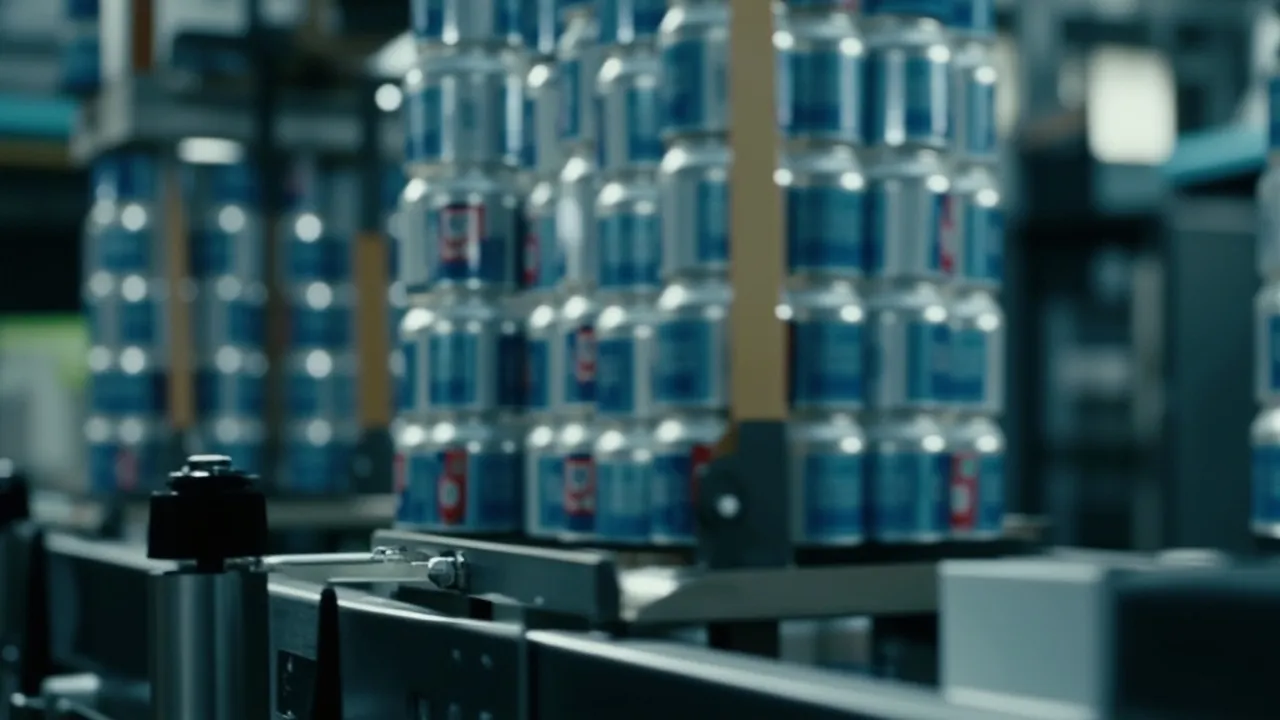
That is exactly why the dispute between Boston Beer and Ardagh Metal Packaging deserves attention from logistics and operations leaders. According to Supply Chain Dive, a jury ruled in favor of Ardagh after alleging Boston Beer failed or would fail to buy a contractual minimum volume of aluminum cans between 2021 and 2025. The result was a potential $175.5 million damages award, even after offsetting Boston Beer’s counterclaim related to alleged packaging defects.
That number should wake people up. A packaging contract dispute is not a paperwork problem when the exposure is nine figures.
The real issue is not cans. It is commitment risk.
The Boston Beer case is a clean example of what happens when supply agreements are built around volume expectations that no longer match commercial reality.
In high-volume packaging environments, suppliers want commitment. They reserve capacity, lock in material positions, plan production, and price based on expected throughput. Buyers want flexibility because demand forecasts move, product mixes change, promotions miss, and consumer preferences can flip fast. The problem starts when those two realities are stitched together with contract language that looks reasonable in a stable market and brutal in a volatile one.
That is the supply chain lesson here. Forecast error does not stay in forecasting. It can become a contract liability.
And once it does, the blast radius is bigger than most teams expect.
If a company misses a volume commitment, procurement feels it first. But operations gets dragged in when packaging availability changes, finance gets dragged in when accruals and damages appear, and logistics gets dragged in when production plans, inbound schedules, and inventory policies need to be reworked around the fallout.
Packaging disputes also expose upstream operating discipline
The second useful signal comes from the counterclaim. Supply Chain Dive reports Boston Beer alleged Ardagh failed to deliver cans that were free from material defects and compliant with the parties’ specifications.
That matters because packaging disputes are rarely about one thing. Volume, quality, service levels, specification adherence, and demand changes tend to arrive as a bundle. Once the relationship deteriorates, every miss becomes evidence.
This is why packaging-intensive manufacturers should stop treating contracts as static legal documents. They are operating systems. If forecast assumptions, quality tolerances, and service expectations are not actively managed across functions, the contract becomes the place where uncoordinated decisions come back to collect interest.
Late-payment data shows the same pattern: problems surface late, but start early
A second approved source makes the broader point. In SupplyChainBrain, Nishant Nair argues that overdue invoices usually reflect upstream operational breakdowns, not just collections problems. The article cites a 2026 study showing that 7% of invoices contain errors and 54% of disputes take up to 10 days to resolve.
That is finance data, but the lesson maps directly to packaging contracts. By the time a dispute becomes visible in accounts payable, legal review, or litigation, the underlying problem has usually been brewing for months.
Maybe the forecast was inflated. Maybe the demand plan was not updated fast enough. Maybe product changes altered packaging needs. Maybe plant teams accepted quality drift without escalating it properly. Maybe procurement negotiated minimums without a realistic downside scenario. Maybe no one defined who owns reforecasting when market demand falls off a cliff.
Same pattern, different function. The breakdown starts upstream. The pain appears downstream.
Why this matters more in 2026
This problem is getting sharper, not softer.
Packaging-heavy supply chains are operating in a market where demand volatility, margin pressure, and capital discipline are all hitting at once. Companies are being pushed to protect service while reducing waste, carrying tighter inventories, and defending cash flow. That environment makes rigid supply commitments more dangerous.
At the same time, suppliers do not want vague forecasts and one-sided flexibility. They are dealing with their own utilization risk, material costs, and customer concentration issues. So contracts are becoming more explicit about minimums, remedies, and performance obligations.
In other words, the legal and financial precision inside supply agreements is increasing at the exact moment commercial certainty is getting worse. That is not a fun combination.
A contract-risk checklist for packaging-intensive supply chains
If your business relies heavily on cans, bottles, corrugate, pallets, labels, or other packaging inputs, here is the smart checklist.
1. Stress-test minimum volume commitments
Do not review baseline demand only. Model the downside case. If demand drops sharply, what is the exposure tied to take-or-pay terms, reservation fees, or minimum purchase commitments?
2. Tie procurement reviews to demand planning cadence
If forecast assumptions move monthly but supplier commitments are reviewed quarterly, you already have a governance gap. Contract monitoring should move at the speed of demand change.
3. Define quality escalation rules clearly
If packaging defects trigger rejection, rework, or downtime, the operational threshold for escalation needs to be documented and fast. Vague quality language turns into expensive argument later.
4. Track packaging risk in the same system as execution data
Supplier contracts, inbound performance, forecast changes, and exception trends should not live in separate universes. The more fragmented the data, the easier it is for exposure to build unnoticed.
5. Make finance part of the operating review
Contract risk is not only a sourcing issue. Finance should see volume exposure, dispute trends, and potential settlement risk before they explode into quarter-end surprises.
The bigger takeaway
Boston Beer’s $175.5 million dispute is the kind of case that should kill the idea that packaging contracts are back-office admin. They are a live supply chain risk surface.
When packaging agreements are disconnected from real demand signals, quality governance, and execution visibility, companies end up learning the truth late and paying for it expensively. The smartest operators will treat packaging contracts as cross-functional control points, not procurement paperwork.
CXTMS helps logistics and operations teams connect supplier commitments, execution data, and planning signals in one place, so contract risk shows up earlier and gets managed before it turns into a financial mess.
If you want a clearer way to manage supplier commitments and execution risk, book a CXTMS demo.