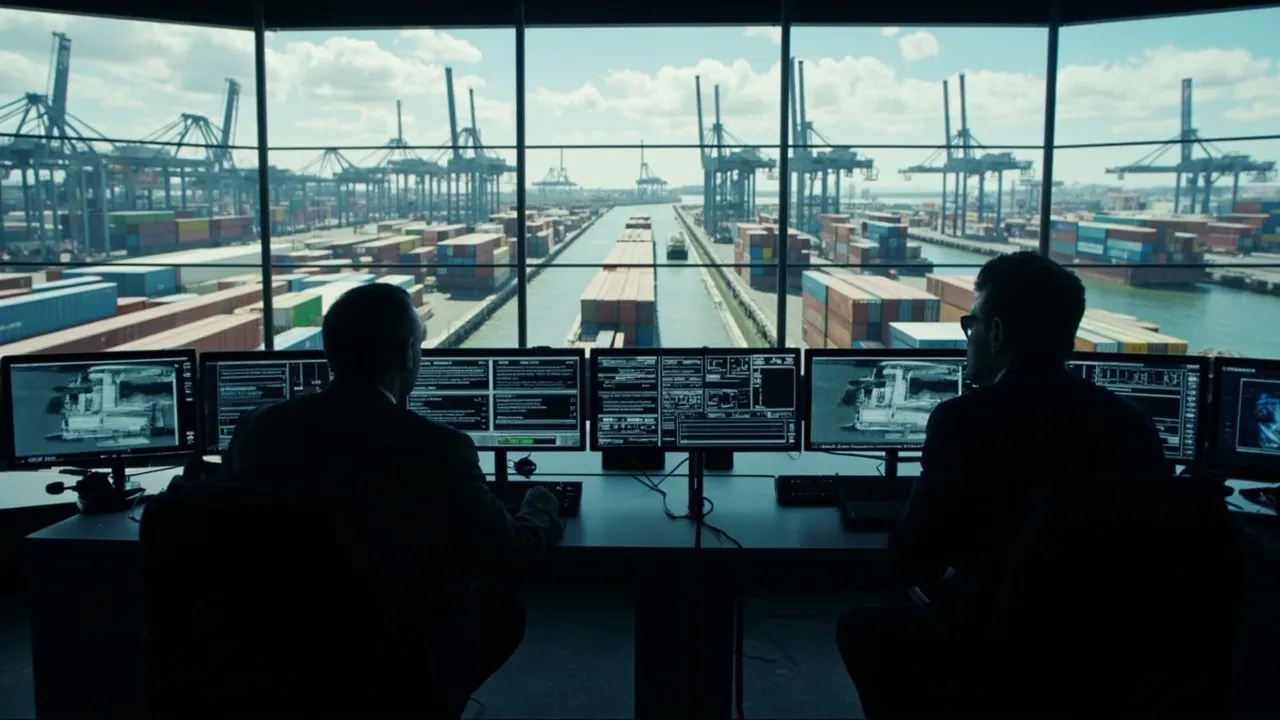
STG Survey: 40% of Companies Now Using Foreign Trade Zones and Bonded Warehouses as Core Tariff Mitigation Infrastructure


For years, Foreign Trade Zones and bonded warehouses were treated as specialized tools — useful for multinational manufacturers or high-volume importers, but largely ignored by mid-market companies. That era is over.
A comprehensive new survey from STG Logistics, polling 500 decision-makers responsible for U.S. import strategy across manufacturing, retail, and consumer packaged goods, reveals that more than 40% of organizations now actively use bonded storage or Foreign Trade Zones as part of their tariff mitigation strategy. And those who combine both approaches report the highest effectiveness ratings of any mitigation tactic surveyed.
This isn't a story about FTZ mechanics or bonded warehouse basics. It's a story about how logistics infrastructure has become the primary tariff defense — outperforming sourcing changes, contract renegotiations, and inventory front-loading in both speed and flexibility.
The Front-Loading Trap: Why Sourcing Alone Isn't Enough
The STG survey data paints a clear picture of the limits of reactive strategies. In 2025, 85.6% of beneficial cargo owners and shippers front-loaded shipments ahead of tariff implementation to avoid rising costs. The short-term results were mixed at best:
- 52.3% successfully avoided higher tariff duties through front-loading
- 43.7% reported improved product availability during peak seasons
- 42.3% experienced increased storage and holding costs
- 43.7% reported working capital strain from carrying higher inventory levels
More than one in four companies (26.4%) reported downstream "quiet periods" as they worked through excess inventory — disrupting replenishment cycles and demand forecasting. As STG CEO Geoff Anderman put it: "Holding larger volumes of product introduces new costs and financial complexity that companies now need to manage carefully."
Front-loading treats tariffs as a timing problem. But when trade policy volatility is structural — not episodic — timing strategies create as many problems as they solve.
Sourcing Diversification: Necessary but Insufficient
The survey confirms what logistics professionals have observed firsthand: sourcing diversification away from China accelerated dramatically. Nearly 79% of companies moved at least some sourcing volume away from China in 2025, expanding into Vietnam and Southeast Asia (23.4%), India (24.4%), and additional Southeast Asian markets (21.6%).
But as Supply Chain Dive reported, shifting sourcing to a new country isn't something that happens overnight. Companies entering new markets face challenges around supplier reliability, regulatory compliance, and logistics coordination that can take years to resolve. Newell Brands, for example, has reduced its China exposure from 35% to 10% — but that transition took years of proactive planning, not months of reactive scrambling.
Over half of STG's respondents said they would have diversified their supply chains earlier if they could revisit their 2025 strategy. The lesson is clear: sourcing diversification is essential, but it operates on a timeline measured in quarters and years, not weeks.
Why Logistics Infrastructure Became the Fastest Tariff Defense
This is where FTZs and bonded warehouses change the equation. Unlike sourcing shifts that take months to execute, or front-loading strategies that strain balance sheets, logistics infrastructure provides immediate, structural tariff relief.
Among the 40%+ of companies using these tools, the survey found effectiveness ratings of 42% for bonded storage and 40% for FTZs — and critically, companies combining both approaches rated their tariff mitigation results higher than any single-strategy users.
The appeal is straightforward. Bonded warehouses allow importers to store goods under Customs supervision for up to five years without paying duties. Duties are owed only when goods are withdrawn for domestic consumption. If goods are re-exported, no duties are paid at all. FTZs go further — allowing manufacturing operations that can change tariff classifications, potentially reducing duty rates on finished products below what the component tariffs would total.
According to Inbound Logistics, more than 600 warehouses already leverage FTZ status, and new zone projects are constantly under review. These zones aren't a niche tax strategy — they're a core component of flexible logistics operations.
Contract Flexibility and Network Redesign
The STG survey also reveals how tariff uncertainty is reshaping transportation procurement. Instead of locking into long-term carrier agreements, companies are prioritizing flexibility:
- 31.2% secured more flexible contract terms with shorter durations and variable rates
- 22.8% delayed signing contracts while waiting for market stability
- 20.2% shifted more freight to the spot market
- Only 9.8% paid higher contracted rates to guarantee capacity
The most effective logistics network changes included intermodal transportation shifts (49% effectiveness rating), port diversification to reduce congestion risk (44%), and expanded use of container freight stations and transloading.
Most respondents reported shifting 26% to 50% of their freight to new routing or transportation modes in 2025 — a massive operational undertaking that required increased investment in supply chain analytics and cross-partner coordination.
The 2026 Playbook: Infrastructure Over Improvisation
Looking ahead, the survey data shows companies aren't slowing down. More than 40% of organizations plan to further diversify sourcing in 2026, while investing in analytics, expanding inventory buffers, and renegotiating supplier contracts to share tariff risk.
The pattern is unmistakable: companies are moving from improvisation to infrastructure. The organizations reporting the best tariff mitigation results aren't the ones with the cleverest timing strategies — they're the ones who built flexible logistics infrastructure that can absorb trade policy changes without disrupting operations.
As FreightWaves has documented, tariff volatility is pushing global supply chains into a permanent regional reset. Companies are redesigning logistics routes, increasing multi-sourcing strategies, and leveraging bonded warehouses and tariff-friendly trade corridors to reduce exposure. This isn't a cycle — it's a structural transformation.
How CXTMS Supports Tariff-Resilient Logistics Networks
CXTMS helps importers and logistics providers build the flexible infrastructure that tariff mitigation demands. With integrated visibility across transportation modes, warehouse operations, and customs workflows, CXTMS enables companies to coordinate FTZ and bonded warehouse strategies alongside carrier procurement, intermodal planning, and cross-border routing — all from a single platform.
Whether you're evaluating FTZ options for the first time or optimizing an existing bonded storage network, CXTMS provides the data foundation and operational coordination that turns tariff mitigation from a reactive scramble into a strategic advantage.
Ready to build tariff-resilient logistics infrastructure? Request a CXTMS demo today and see how integrated transportation management transforms your trade compliance strategy.