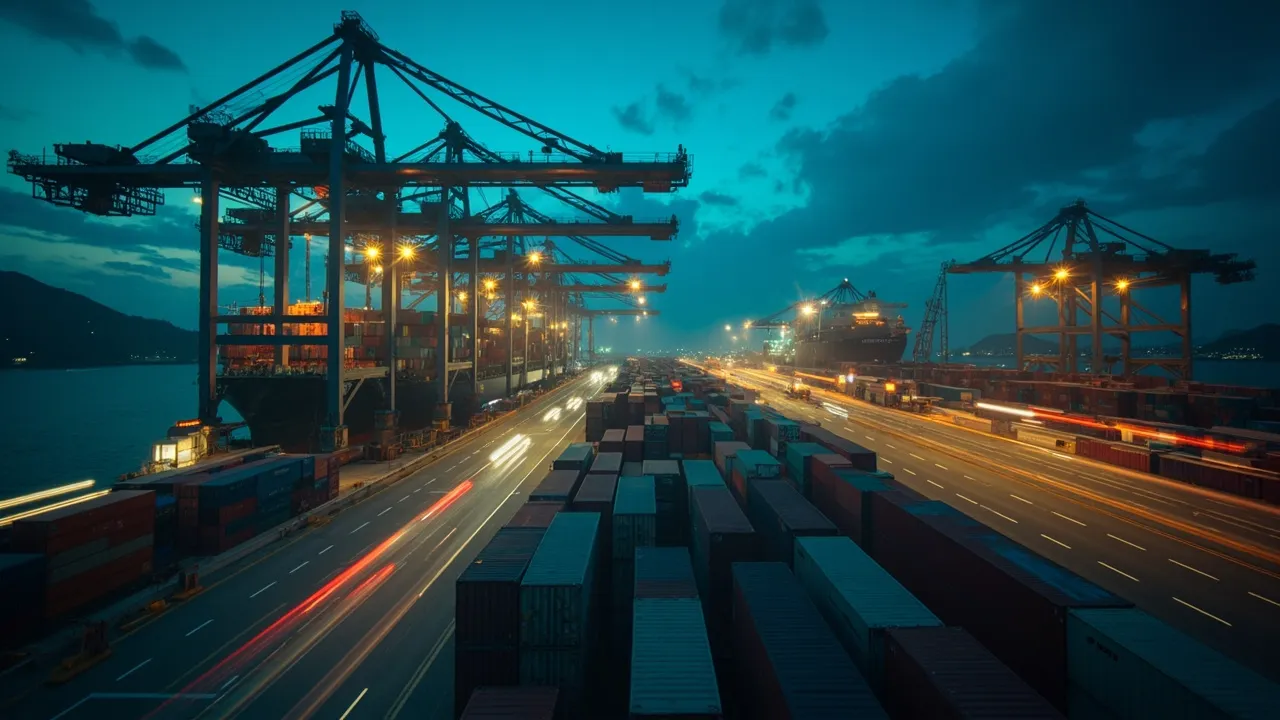
Secure Logistics Data Platforms Are Becoming the New Control Tower Baseline

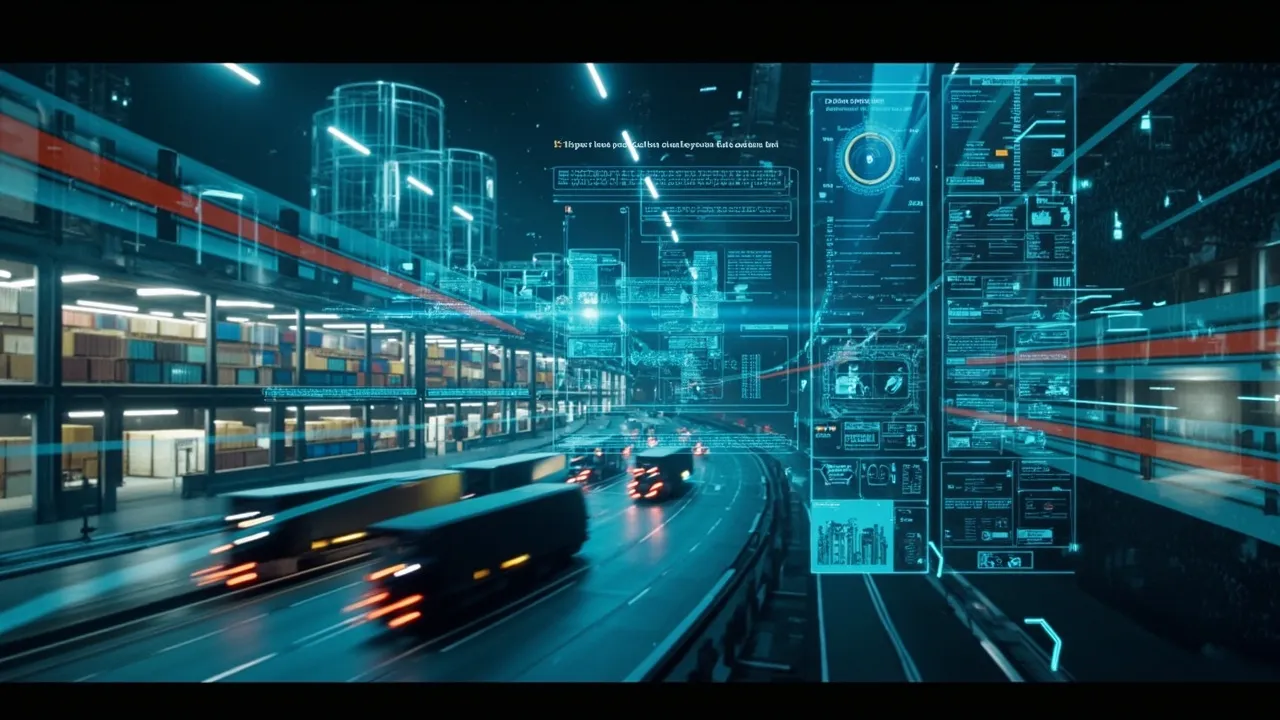
The logistics control tower is growing up. For years, the pitch was visibility: put shipment locations on a dashboard, show customers where freight is, and reduce the number of “where is my order?” emails. That is no longer enough.
The new baseline is a secure logistics data platform that can pull transportation, warehousing, yard, inventory, order, carrier, and customer-service signals into one trusted operating layer. Visibility still matters, but only if the data is accurate, permissioned, auditable, and usable when something goes wrong.
That is why Penske Logistics’ latest technology launch is worth watching. Food Logistics reported that Penske introduced Supply Chain Insight, a secure platform and mobile application designed to give customers a real-time view of operations across transportation and warehousing. The details are specific to Penske, but the direction is broader: customers want a clean, secure, cross-functional view of their logistics network, not another passive tracking portal.
Visibility without trust creates noise
A dashboard can make operations look modern while still leaving the team blind. If shipment events arrive late, inventory status is disconnected from orders, carrier updates are inconsistent, and warehouse milestones live in a separate system, the dashboard becomes a prettier version of the same old problem.
Logistics Management’s 2026 analysis framed the same shift clearly: AI, real-time data, and connected platforms are pushing supply chains beyond visibility toward faster execution. The article cited McKinsey research showing nearly 80% of U.S. companies faced some form of supply chain disruption in 2025, compared with 33% in 2024. It also noted that only 19% of surveyed companies were deploying AI tools at scale, while roughly 40% were deploying advanced planning and scheduling systems.
Those numbers explain the pressure. Disruption is more frequent, but digital maturity is uneven. Companies are investing in planning, AI, and visibility, yet many still lack the normalized data foundation needed to turn alerts into decisions.
Security is now part of logistics performance
Logistics data is not harmless metadata. A forwarding operation may hold shipper identities, customer orders, pickup and delivery locations, purchase-order values, customs documents, carrier rates, inventory status, and exception notes. That information can reveal customer relationships, production schedules, high-value freight movements, and operational vulnerabilities.
As control towers become more connected, the risk profile changes. A customer-facing portal that exposes the wrong shipment, an API that accepts unvalidated events, or a role that gives broad access to sensitive documents is not just an IT issue. It is a commercial and operational risk.
Gartner has been explicit about the concern. In 2025, Gartner said supply chain cybersecurity had reached the “Peak of Inflated Expectations”, while generative AI presented an added threat to secure supply chains. That means data security belongs in the same conversation as on-time performance, exception management, and customer experience. If teams cannot trust who has access, where data came from, and what changed, they cannot safely automate decisions or expose more information to customers.
Consolidation beats another portal
Freight forwarders and logistics providers often respond to customer visibility demands by adding a portal. That can help, but only if the portal reflects a consolidated operational truth. Otherwise, customers see shipment statuses while the real exception work still happens in email threads, spreadsheets, calls, and broker systems.
The better model is a secure execution layer that connects the data before exposing it. Shipment milestones, order references, carrier appointments, warehouse events, customs status, document readiness, and customer exception updates should all point to the same operational record.
This is where forwarders can differentiate. Customers do not need a dozen more map pins. They need confidence that someone is managing the exception. A useful control tower tells them what changed, what it affects, what action is underway, and when the next update will arrive.
The minimum viable logistics data layer
A modern logistics data platform does not need to start as an enormous transformation program. The first version should cover five capabilities that make daily execution cleaner and safer.
Normalized shipment events. Every shipment should have a consistent event model: booked, picked up, departed, arrived, cleared, out for delivery, delivered, delayed, held, or canceled. Carrier-specific language can remain in the background, but the operating layer needs a standard vocabulary.
Role-based access. A customer user should see only the accounts, locations, documents, and shipments they are authorized to view. Internal users need permissions by role, geography, customer, workflow, and document type. Visibility without access control is not a feature; it is a liability.
Audit trails. When a milestone changes, a document is uploaded, an exception is closed, or a customer update is sent, the system should record who did it and when. Auditability protects customers, operations teams, and management when disputes arise.
API connectivity. Manual status updates cannot carry a control tower at scale. The platform should support carrier feeds, warehouse events, customer order data, EDI/API connections, and document exchange without forcing every exception through copy-paste work.
Customer-facing exception status. The customer view should show more than “delayed.” It should show the exception category, current owner, next action, target update time, and any customer decision needed. That is the difference between visibility and service.
AI will punish messy data
The industry’s AI push makes this foundation more urgent. AI can classify exceptions, recommend recovery actions, summarize customer updates, and identify recurring failure patterns. But it cannot rescue a fragmented operating model where systems disagree on shipment status.
Bad data does not become strategic because a model reads it. It becomes faster bad data.
For logistics teams, the practical move is to improve the data layer before promising autonomous execution. Start with clean milestone definitions, reliable ownership rules, document status, customer permissions, and exception categories. Then apply automation where the workflow is mature enough to support it.
Control towers are becoming service infrastructure
The next generation of control towers will be judged less by how impressive the dashboard looks and more by how well the platform handles trust. Can it consolidate data from fragmented operations? Can customers see the right information without exposing the wrong information? Can teams move from alert to action quickly? Can management review the decision history after the fact?
That is the real baseline now. Secure logistics data platforms are no longer a nice add-on for sophisticated shippers. They are becoming the infrastructure behind customer service, exception management, compliance, and operational resilience.
CXTMS helps freight forwarders centralize shipment execution, milestone visibility, document workflows, carrier coordination, customer portals, and exception management in one secure operating layer. Instead of giving customers another passive tracking screen, forwarders can give them a trusted workflow for what happens next.
Book a CXTMS demo to see how secure, connected logistics execution can turn control tower visibility into operational control.