RFID-Tracked Returnable E-Commerce Totes Hit $1.2 Billion: How Circular Packaging Is Replacing Single-Use Cardboard in Fulfillment

Every day, millions of corrugated cardboard boxes make a single trip from a fulfillment center to a doorstep — and then head straight to a recycling bin or landfill. It's a massively wasteful system that e-commerce has scaled to staggering proportions, with U.S. e-commerce plastic packaging waste alone projected to reach 4.5 billion pounds annually. But a new category of smart, reusable shipping containers is gaining enough momentum to fundamentally change the math. RFID-tracked returnable e-commerce totes have hit $1.2 billion in market value in 2026, and they're on track to reshape how fulfillment centers think about outbound packaging entirely.
According to Future Market Insights analysis, the market grew from $1.1 billion in 2025 to $1.2 billion in 2026 and is projected to reach $3.6 billion by 2036, expanding at a compound annual growth rate of 11.6%. The acceleration isn't just about sustainability optics — it's driven by hard economics and operational advantages that make reusable totes superior to throwaway cardboard in high-frequency shipping environments.
How RFID-Tracked Reusable Totes Work
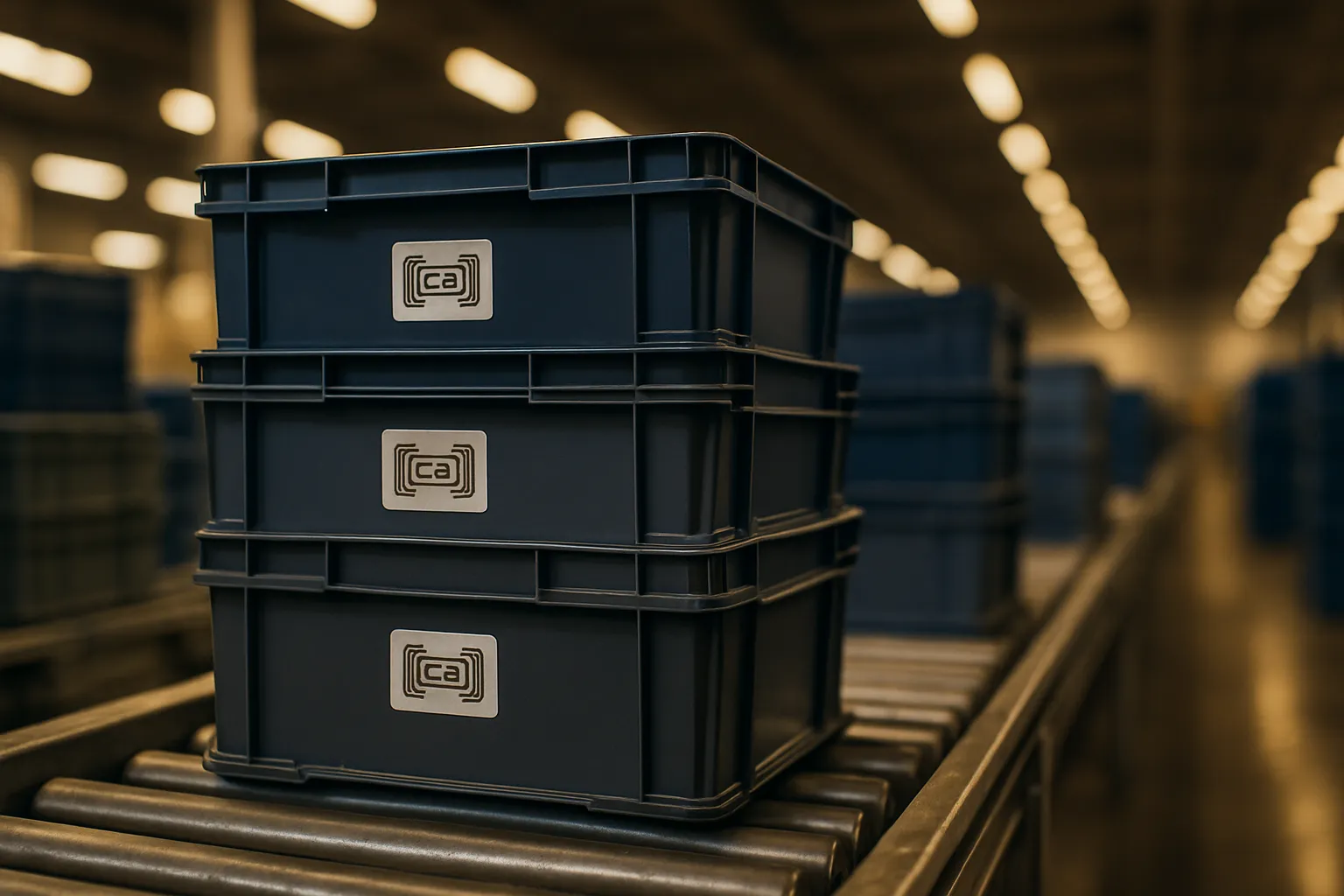
The concept is straightforward, but the technology behind it is what makes it scalable. Each returnable tote is a rugged polymer container — typically high-density polyethylene (HDPE), which holds 58% of the material market share — embedded with a UHF passive RFID tag. Here's the cycle:
- Pack and ship. The fulfillment center loads products into an RFID-tagged reusable tote instead of a single-use cardboard box.
- Track in transit. RFID readers at warehouse gates, loading docks, and delivery vehicles automatically log each tote's movement without requiring line-of-sight scanning — unlike barcodes.
- Deliver to customer. The recipient receives their order in the durable tote.
- Return the tote. The empty container is picked up on the next delivery run or dropped at a return point, entering the reverse logistics stream.
- Inspect and reuse. Returned totes are scanned, cleaned, and recirculated — with each container typically lasting 20 or more shipping cycles.
UHF passive RFID technology dominates the tracking layer, accounting for approximately 64% of the market in 2026. The key advantage over barcode systems is throughput: RFID readers can detect hundreds of nested containers simultaneously, enabling automated bulk processing that keeps pace with high-velocity fulfillment operations.
The Cardboard Crisis: Why Single-Use Packaging Economics Are Breaking Down
The case against single-use corrugated packaging isn't just environmental — it's financial. Corrugated fiberboard prices have been climbing steadily as raw material costs and supply constraints squeeze packaging manufacturers. For high-volume shippers running thousands of outbound packages per day, the per-unit cost of cardboard adds up fast.
Consider the full cost of a single-use box: material cost, assembly labor, void fill, tape, shipping weight (cardboard is heavier than optimized polymer totes), and disposal or recycling fees. A reusable RFID-tagged tote costs more upfront — often three to five times the price of a single corrugated box — but when that container survives 20+ cycles, the cost-per-use drops below disposable alternatives by cycle five or six.
Meanwhile, the EU Packaging and Packaging Waste Regulation (2024/2841) is applying regulatory pressure by requiring retailers to transition toward reusable shipping formats as part of sustainability compliance targets set for 2030. Companies shipping into European markets face a clear mandate: adopt circular packaging or face increasing compliance friction.
FedEx and Returnity: Major Carrier Adoption as a Tipping Point
The strongest signal that RFID-tracked reusable packaging has moved beyond pilot-stage experimentation came on March 17, 2026, when FedEx announced a partnership with Returnity — a circular logistics specialist — to launch a reusable box solution for B2B shippers across its U.S. network.
The program features a FedEx-specific reusable container designed to integrate directly into the existing FedEx network with no additional handling fees for participating shippers. That last detail is critical — it removes the cost barrier that has historically blocked reusable packaging adoption. When the world's largest parcel carriers start building reusable container programs into their standard service offerings, it shifts the conversation from "should we consider reusable packaging?" to "how fast can we switch?"
The FedEx-Returnity model also solves the reverse logistics challenge that has plagued earlier reusable packaging experiments. By integrating returns into the existing delivery network — drivers pick up empty containers on their regular routes — the program eliminates the need for separate return shipping, which was the economic killer for earlier closed-loop packaging attempts.
Automated Fulfillment Integration: RFID Totes and Robotic Sortation
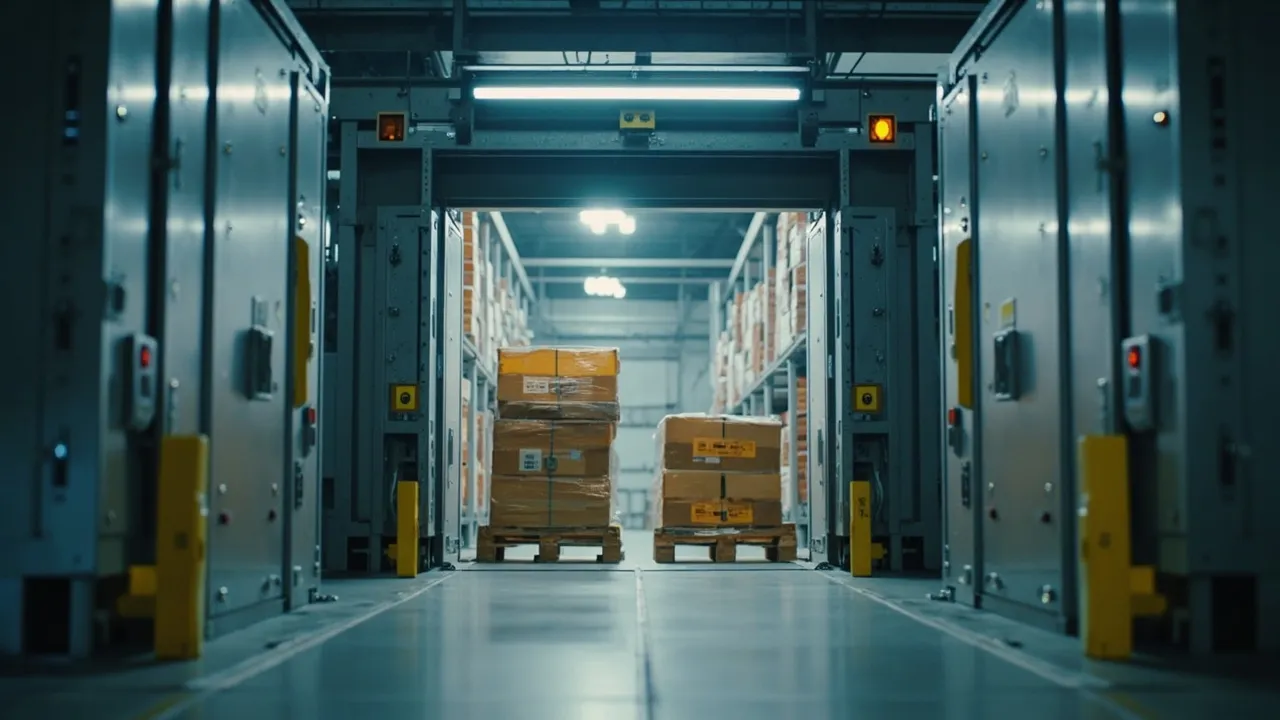
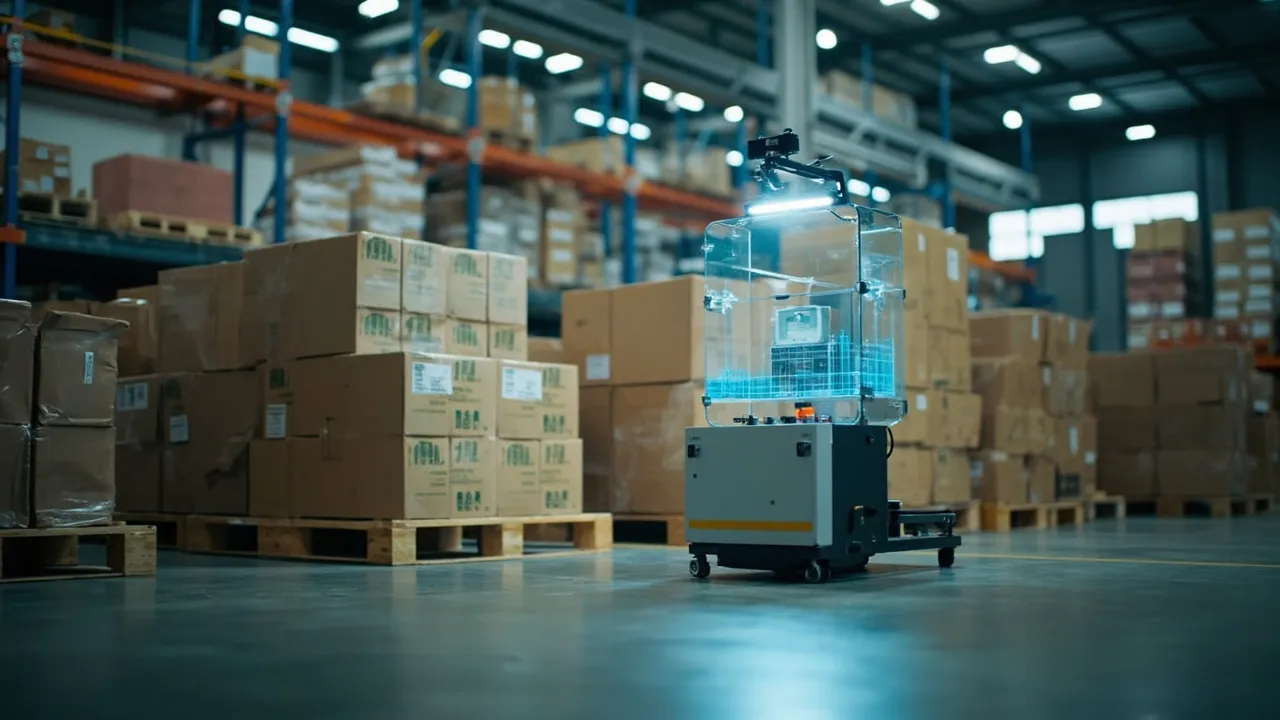
The real scalability unlock for returnable totes isn't the container itself — it's how RFID tracking integrates with automated fulfillment infrastructure. Modern warehouse management systems can read RFID tags at every touchpoint — inbound receiving, put-away, pick-and-pack, and outbound sortation — creating a continuous digital thread for each container's journey.
Fashion and apparel retailers are leading adoption, holding 42% of the end-use market share in 2026. The fit is natural: apparel fulfillment involves high return rates (often 20-30% of orders), making reusable containers that survive round trips significantly more economical than boxes that get crushed and discarded after a single delivery.
As noted by Supply Chain Dive's analysis of reusable transport packaging, pooling models — where a centralized service provider collects, sanitizes, repairs, and redistributes reusable containers — are emerging as the operational backbone for scaling these programs. Companies like Tosca, CHEP, and now Returnity are building the infrastructure layer that individual shippers can plug into without needing to manage their own container fleets.
The ROI Model: When Returnable Totes Beat Single-Use for Shippers
For logistics and supply chain teams evaluating the switch, the economics hinge on three variables:
- Shipping frequency. High-volume B2B routes with predictable lane patterns generate the fastest ROI because return logistics can be built into existing workflows.
- Return rate integration. Companies with high e-commerce return rates (apparel, electronics, beauty) get double value — the tote serves both outbound delivery and return shipping.
- Container loss rate. Industry benchmarks target less than 5% container loss per cycle. RFID tracking is the enforcement mechanism — when you know exactly where every tote is, shrinkage stays manageable.
For a mid-market shipper running 5,000+ outbound packages daily, switching 30% of volume to RFID-tracked reusable totes can reduce annual packaging material costs by 15-25% while generating measurable sustainability metrics for ESG reporting.
What This Means for CXTMS Shippers
The shift to circular packaging creates new data requirements across the supply chain. Tracking reusable container cycles — outbound shipments, return rates, container condition, and pooling partner performance — demands the kind of integrated visibility that a modern TMS platform provides.
CXTMS helps shippers manage the transition by integrating container tracking data into freight planning workflows, enabling teams to optimize routes that incorporate both deliveries and empty container returns, track cost-per-cycle metrics against disposable packaging benchmarks, and generate sustainability compliance documentation for EU and domestic ESG requirements.
The $1.2 billion RFID returnable tote market isn't a niche sustainability play — it's a structural shift in how e-commerce fulfillment works. The carriers are investing. The technology is proven. The economics favor reusable over disposable at scale. The shippers who build circular packaging into their logistics strategy now will capture both the cost savings and the competitive advantage of being ahead of regulatory mandates.
Ready to integrate circular packaging visibility into your freight operations? Request a CXTMS demo today and see how real-time container tracking transforms your sustainability metrics and packaging ROI.