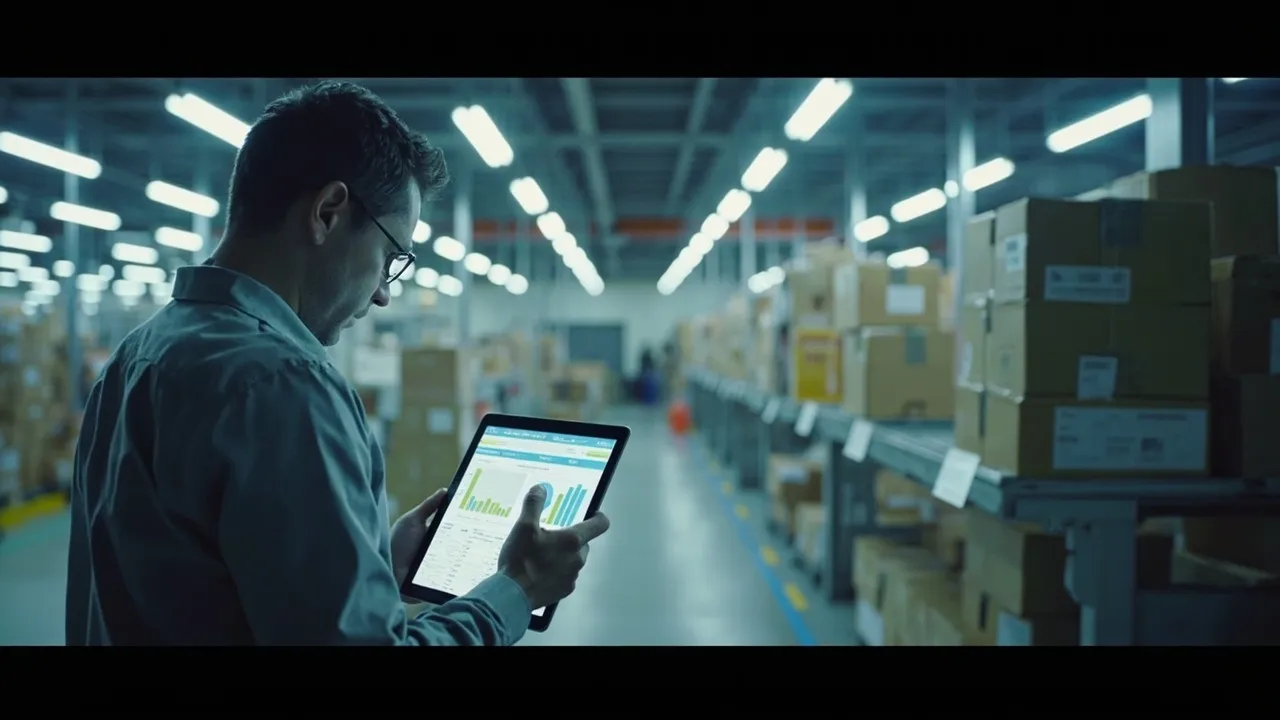
Logistics Billing Errors Are a Margin Leak. Automation Is Finally Treating Them Like One.


Freight billing errors do not look dramatic from the loading dock. A duplicate invoice here, an outdated fuel surcharge there, a detention charge coded to the wrong shipment, a manual accessorial that never made it to the customer bill. Individually, they look like administrative cleanup.
At scale, they are a margin leak.
That is the real point behind the current push toward logistics billing automation. As SupplyChainBrain reported, transportation and distribution teams are discovering that the financial data following freight movement is now just as operationally important as the freight itself. In a large operation processing thousands of invoices per week, even a 1% error rate can translate into millions of dollars in uncollected revenue, overcharge disputes, delayed payment, or manual rework.
That should make every forwarder, broker, carrier, and shipper uncomfortable. Freight margins are already too thin to let billing accuracy depend on spreadsheet checks and heroic end-of-month cleanup.
Where billing errors actually come from
Most invoice problems are not caused by one catastrophic failure. They come from small inconsistencies across the shipment lifecycle.
Accessorials are the obvious starting point. Liftgate, limited access, inside delivery, residential delivery, storage, reefer monitoring, chassis, stop-off, layover, reconsignment, lumper, and detention charges often originate outside the original linehaul quote. If the operations team captures the event but billing does not receive the right code, the charge disappears. If billing applies the charge without supporting evidence, the customer disputes it.
Fuel is another weak point. Surcharge tables change frequently, and different customers may have different formulas, indexes, caps, or effective dates. When fuel rules live in contracts, emails, PDFs, and spreadsheets instead of a controlled rate engine, invoice accuracy becomes a guessing game.
Detention and demurrage are even messier. The invoice depends on appointment times, gate records, container availability, free-time rules, driver wait time, terminal status, release holds, and customer approvals. If those timestamps are not captured cleanly, teams either fail to recover valid costs or trigger disputes they cannot defend.
Then there are duplicate invoices and manual entry errors. A shipment number keyed incorrectly, a carrier invoice uploaded twice, a bill of lading copied into the wrong account, or an accessorial added to the wrong leg can quietly distort margin. The shipment may still deliver on time, while the profit quietly leaks out after delivery.
The market makes tolerance for error smaller
Billing accuracy matters more when transportation costs are moving. Logistics Management’s transportation coverage recently showed the April ATA For-Hire Truck Tonnage Index at 117.8, flat with March but up 3.5% year over year. The same coverage reported the national diesel average at $5.596 per gallon for the week ending May 18.
Those numbers are not billing statistics, but they are billing pressure. When demand signals are uneven and fuel remains material, small rating mistakes compound quickly. A stale fuel table, missed surcharge, or duplicated carrier pass-through can turn a profitable account into a margin problem before anyone catches it.
This is why freight billing should be treated as a control function, not clerical work. The goal is not simply to send invoices faster. The goal is to make sure every invoice reflects the movement, the contract, the exceptions, and the approved cost recovery rules.
Automation changes the workflow from cleanup to prevention
The biggest shift is pre-bill control. Instead of waiting for a customer to reject an invoice or for finance to discover a variance after the close, automated billing workflows can compare shipment data, carrier invoices, customer contracts, rate tables, and accessorial evidence before the invoice goes out.
That changes the operating rhythm. A duplicate invoice can be flagged before payment. A fuel surcharge can be checked against the contract effective date. A detention line item can be matched to appointment and gate timestamps. A carrier invoice can be compared against the expected buy rate. A customer invoice can be held for review if margin falls outside tolerance.
SupplyChainBrain also noted that automating manual B2B payment processes can reduce costs by 60% to 75%, citing research discussed in its article. Even if a logistics team captures only part of that improvement, the business case is not subtle. The savings come from fewer touches, fewer disputes, faster cash collection, less rework, and better recovery of charges that were legitimately earned but historically missed.
Automation also makes disputes less damaging. A good workflow separates disputed line items from undisputed ones, so one accessorial question does not freeze payment for the entire shipment. It routes exceptions to the right owner, preserves evidence, and creates a record of who approved a correction or credit.
TMS data consistency is the foundation
Here is the catch: billing automation is only as trustworthy as the transportation data underneath it.
If customer contracts are not structured, automation applies bad rates faster. If accessorial events are not captured during execution, the billing engine has nothing to bill. If carrier invoices are not tied to shipment legs, duplicate detection becomes unreliable. If operations uses one naming convention and finance uses another, exception reporting turns into translation work.
A modern TMS has to act as the operational source of truth. Shipment milestones, customer rates, carrier buy rates, fuel rules, accessorial logic, document uploads, approval notes, and exception timestamps need to live in a connected record. That does not mean every company needs to rip out its ERP. It means the transportation record has to be clean enough to feed finance without manual reconstruction.
The best implementations start with the highest-risk billing categories: fuel, detention, accessorials, duplicate carrier invoices, and margin exceptions. Run automation in parallel with the existing process, compare the outputs, and tune the rules before expanding. That approach protects cash flow while proving where the old process was leaking.
Margin protection belongs inside the freight workflow
Freight teams have spent years optimizing tendering, routing, tracking, and customer visibility. Billing deserves the same discipline. A shipment is not truly complete when the freight is delivered. It is complete when the revenue is correct, the carrier cost is verified, the margin is understood, and any dispute can be defended with evidence.
That is where CXTMS fits. CXTMS helps logistics teams connect shipment execution, documents, rates, exceptions, approvals, and billing-ready data in one workflow, so invoice accuracy is built into operations instead of repaired after the fact.
Ready to stop treating billing errors as normal back-office noise? Schedule a CXTMS demo and see how freight invoice automation, exception workflows, and TMS data consistency can protect margin before the leak reaches the P&L.