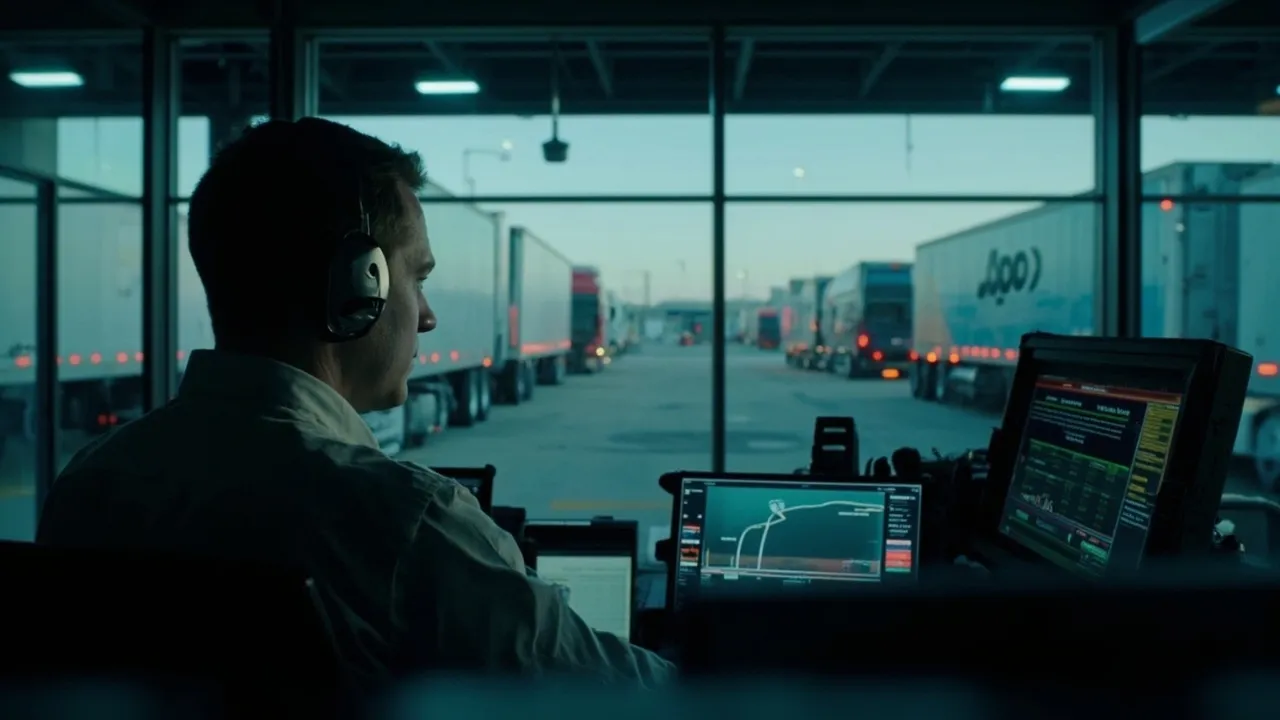
The Great Freight Recession: Lessons From STG Logistics' $1.2 Billion Bankruptcy


When STG Logistics filed for Chapter 11 bankruptcy on January 12, 2026, it sent shockwaves through the freight industry. With over $1 billion in both assets and liabilities, the Dublin, Ohio-based company became one of the largest intermodal casualties of what many are now calling the Great Freight Recession — a downturn that has stretched past three years with no clear end in sight.
The Rise and Fall of STG Logistics
STG Logistics grew aggressively through acquisitions. In 2022, the company purchased XPO Logistics' intermodal segment for $710 million, instantly becoming one of the nation's largest intermodal marketing companies. A year later, it acquired Best Dedicated Solutions, expanding into LTL, flatbed, and over-the-road services.
But growth fueled by debt collides hard with a freight recession. CEO Geoff Anderman acknowledged the company was working through "one of the most severe freight recessions in history" when announcing the restructuring. The Chapter 11 filing eliminates roughly 91% of the company's debt and secures $150 million in debtor-in-possession financing to keep operations running during reorganization.
STG isn't alone. According to Supply Chain Dive, several carriers have already filed for bankruptcy in late 2025 and early 2026, including Texas International Enterprises and Illinois-based carrier Bulmaks. FMCSA authority data shows a net contraction of nearly 10,000 motor carriers in just the first half of 2024 alone, following an estimated 88,000 trucking authorities revoked in 2023.
The Anatomy of the Great Freight Recession
The freight recession didn't happen overnight. It's the result of compounding forces that have been building since the post-pandemic demand bubble burst in late 2022:
Overcapacity from the boom years. During 2020–2021, record-high spot rates lured tens of thousands of new entrants into trucking. When demand normalized, the industry was left with far more trucks than freight to fill them.
Persistently depressed rates. Spot rates have remained below breakeven for many carriers for over three years. Smaller operators — often running on thin margins — were the first to fold.
Rising operating costs. Insurance premiums, fuel volatility, and equipment costs haven't dropped alongside rates. The squeeze between falling revenue and rising expenses has been relentless.
Debt-fueled acquisitions. Companies like STG that grew through leveraged buyouts found themselves servicing massive debt loads in a market that couldn't support the revenue projections those deals were built on.
By November 2025, carrier bankruptcies and failures were occurring at the highest rate on record, surpassing even the darkest periods of previous freight downturns.
What This Means for Shippers
If you're a shipper, a wave of carrier bankruptcies might sound like someone else's problem. It's not. Here's why you should pay attention:
Capacity Risk Is Real
Every carrier that goes bankrupt removes trucks from the market. While overcapacity has kept rates low for shippers, the rapid pace of carrier exits is thinning the herd fast. When demand eventually recovers — and it will — shippers who haven't diversified their carrier networks may find themselves scrambling for capacity at premium rates.
Service Disruptions Hit Without Warning
STG Logistics says it will continue operating during bankruptcy proceedings, but not every carrier makes that promise — or keeps it. Standard Forward, a Teamsters-organized carrier, halted operations entirely. When a carrier in your network suddenly stops answering the phone, your freight doesn't move.
The Contract Rate Trap
The current shipper-friendly pricing environment is temporary. Industry experts at Supply Chain Dive note that while contract negotiations remain favorable in 2026 — especially in ocean freight, where a 3.7% capacity increase continues to pressure rates — the market will eventually tighten. Shippers locking in aggressive rates today without building carrier relationships may find those rates aren't honored when the market turns.
Five Lessons for Protecting Your Supply Chain
1. Diversify your carrier base. Don't concentrate freight with a handful of carriers, no matter how good their rates are. Spread volume across asset-based carriers, brokers, and intermodal providers. If one fails, the others absorb the load.
2. Monitor carrier financial health. Credit scores, payment patterns, and authority status are leading indicators. A carrier requesting faster payment terms or falling behind on insurance premiums is waving a red flag.
3. Build strategic partnerships, not just transactional ones. Carriers remember who gave them freight during the downturn. Those relationships pay dividends when capacity tightens.
4. Invest in visibility technology. Real-time tracking and automated exception management aren't luxuries — they're your early warning system. When a carrier misses a pickup, you need to know in minutes, not days.
5. Stress-test your logistics network. What happens if your top carrier goes bankrupt tomorrow? If you can't answer that question confidently, your contingency planning needs work.
The Road Ahead
The Great Freight Recession will end. Market cycles always turn. Some analysts predict the capacity purge happening now will set the stage for a tighter, more disciplined freight market by late 2026 or early 2027. When that shift comes, the shippers who prepared — who diversified, invested in technology, and built resilient carrier networks — will be the ones who thrive.
STG Logistics may emerge from bankruptcy leaner and more focused. Many carriers won't get that chance. The lesson isn't just about one company's missteps — it's about building a supply chain that can absorb shocks without breaking.
Is your carrier network prepared for the next market shift? Contact CXTMS to see how our carrier risk scoring, real-time visibility, and diversified routing tools can protect your supply chain — in any market.