DHL Deploys SVT Robotics SOFTBOT Platform: How Plug-and-Play Middleware Is Deploying Warehouse Robots 12x Faster


The warehouse robotics market is on track to reach $10.96 billion in 2026, growing at a 17.5% CAGR toward $24.55 billion by 2031, according to Mordor Intelligence. With approximately 4.7 million warehouse robots now installed across over 50,000 facilities globally, the technology adoption question has shifted from whether to automate to how fast you can integrate multiple robotic systems without drowning in custom code.
DHL Supply Chain just answered that question in a big way.
The Robot Integration Bottleneck Nobody Talks About
Here's the dirty secret of warehouse automation: buying robots is the easy part. Connecting them to your warehouse management system (WMS) is where projects stall, budgets balloon, and timelines collapse.
Traditional robotic deployments require custom-coded integrations for every new technology — every AMR vendor, every robotic arm manufacturer, every autonomous forklift provider demands its own API connector, communication protocol, and data mapping. A single integration project typically takes six to eight weeks of engineering time. Multiply that across a global network of hundreds of facilities running dozens of different robotic technologies, and the math becomes brutal.
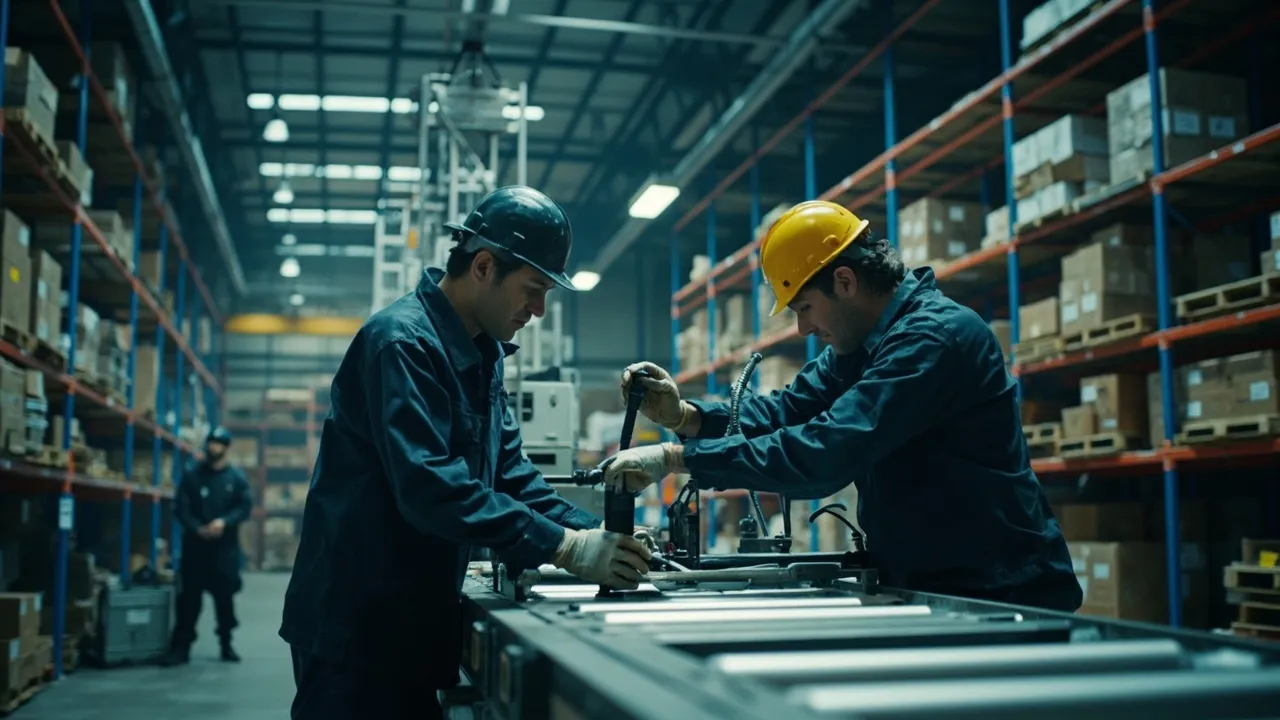
For DHL Supply Chain, operating more than 8,000 collaborative robots across its global warehouse network, this integration bottleneck wasn't just inconvenient — it was the single biggest constraint on their automation roadmap.
Enter SOFTBOT: The iPaaS Layer for Warehouse Robotics
In March 2026, DHL announced the deployment of SVT Robotics' SOFTBOT® platform across its global operations, fundamentally changing how the logistics giant connects, monitors, and scales robotic systems.
Think of SOFTBOT as the middleware layer that sits between DHL's warehouse management systems and every robotic technology in their ecosystem. Instead of building bespoke integrations from scratch, the platform provides pre-built connectors — called SoftBot connectors — that serve as a standardized integration layer.
The results speak for themselves:
- 12x faster deployment compared to traditional custom coding
- Goods-to-Person solutions replicated across Europe with integration work completed in just three hours
- New operational technology added to live operations in Asia Pacific with zero downtime
- DHL now handles the majority of implementations without hands-on SVT support
"The SoftBot Platform gives us an effective and efficient way to connect different types of robotics to our warehouse systems, monitor performance in real time and scale solutions across sites with confidence," said Sally Miller, Global CIO of DHL Supply Chain.
Why Technology-Agnostic Middleware Changes the Game
The SOFTBOT approach represents a fundamental architectural shift in warehouse automation — away from monolithic, all-in-one systems toward modular, vendor-agnostic setups that can be reconfigured as technology and customer needs evolve.
This matters for three reasons:
1. Future-Proofing Automation Investments
When your integration layer is technology-agnostic, you're never locked into a single robotics vendor. As new AMR providers emerge, as robotic arm technology advances, as autonomous forklifts get smarter — you can swap, upgrade, or add technologies without rebuilding your entire integration stack.
2. Unified Visibility Across Hybrid Fleets
SOFTBOT provides a single, multi-site dashboard for monitoring system-wide operations. This unified data layer enables visibility into workforce activity and automation performance simultaneously, helping coordinate hybrid fleets of human associates and robots working side-by-side. As Logistics Manager reported, this supports safer, more efficient workflows without introducing new layers of complexity.
3. Unlocking Logistics AI at Scale
Perhaps the most underappreciated benefit: standardized data flows from a unified integration platform create the foundation for AI-driven optimization. "The platform's global, real-time data access also unlocks significant opportunities to scale logistics AI," noted Tim Tetzlaff, Global Head of Digital Transformation at DHL Supply Chain.
The Scale Challenge: From 30 Sites to 100+
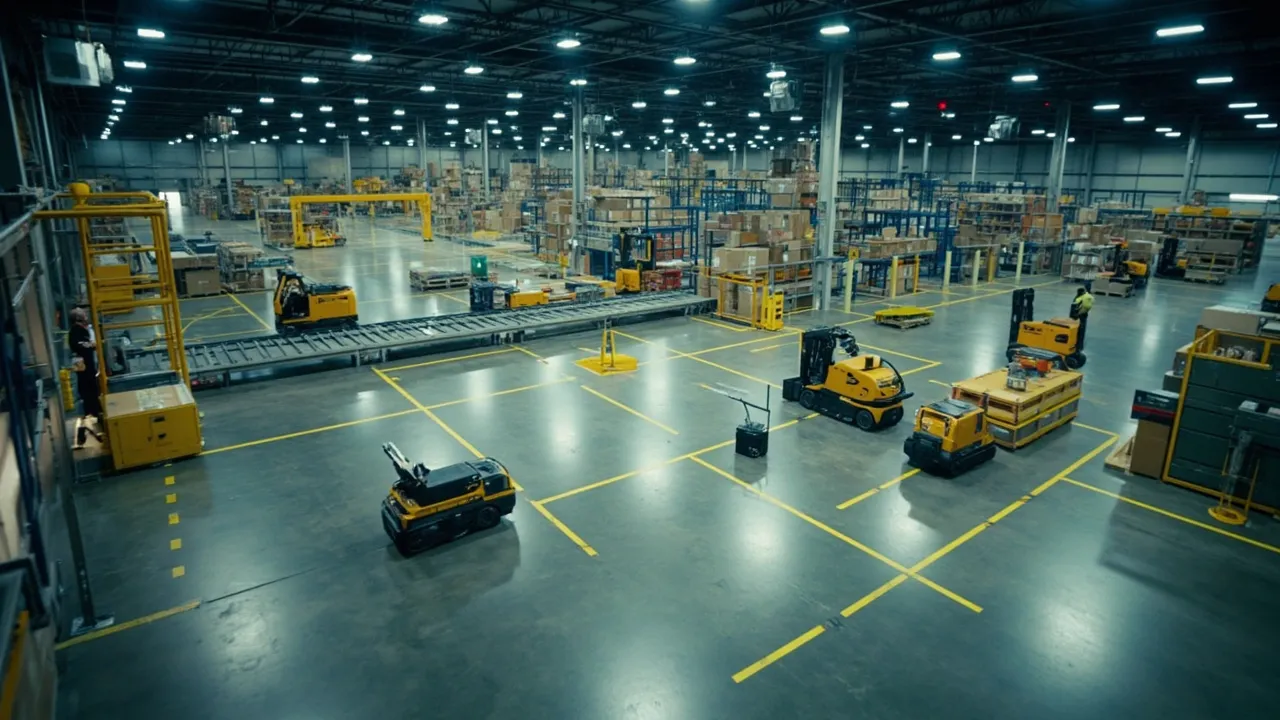
The SOFTBOT platform is currently live in 30 DHL Supply Chain sites worldwide, with plans to expand to more than 100 sites across all geographies over the next three years. That expansion timeline underscores the platform's core value proposition — without middleware-driven automation, scaling to 100+ sites would have required thousands of custom integration projects.
The MHI and Deloitte 2026 Annual Industry Report emphasizes that the industry is moving beyond identifying automation trends toward providing "practical examples and a playbook approach to help companies apply automation and AI in their supply chains." DHL's SOFTBOT deployment is precisely that kind of playbook — a repeatable, scalable model for multi-vendor robotics integration.
What CXTMS-Connected Shippers Should Look For
If you're evaluating 3PL partners or planning your own warehouse automation strategy, the DHL-SOFTBOT model offers a clear evaluation framework:
Ask your 3PL these questions:
- Do you use a technology-agnostic integration layer, or are you locked into a single robotics vendor?
- How long does it take to deploy a new robotic technology at a new site?
- Can you provide real-time visibility across all automated and manual operations from a single dashboard?
- What's your roadmap for scaling automation across your network?
The answers will tell you whether your logistics partner is building for the next decade of warehouse automation — or still coding integrations one site at a time.
The Middleware Imperative
DHL's deployment of the SOFTBOT platform signals a broader industry truth: the bottleneck in warehouse automation isn't the robots — it's the integration layer. As the warehouse robotics market races toward $24.55 billion by 2031, the companies that win won't necessarily be the ones with the most robots. They'll be the ones that can deploy, connect, and orchestrate those robots fastest.
For shippers managing complex supply chains across multiple 3PL partners and warehouse networks, understanding the integration architecture behind your partners' automation strategies is no longer optional — it's a competitive advantage.
Ready to connect your transportation management with automated warehouse operations? Request a CXTMS demo to see how our platform integrates with modern warehouse ecosystems to give you end-to-end supply chain visibility.