Mexico Cargo Theft Is Falling, but Cross-Border Risk Is Getting More Dangerous


Lower cargo theft totals do not automatically mean safer freight. For North American shippers, Mexico's 2026 theft pattern is a reminder that risk has two dimensions: how often incidents happen, and how severe they become when they do.
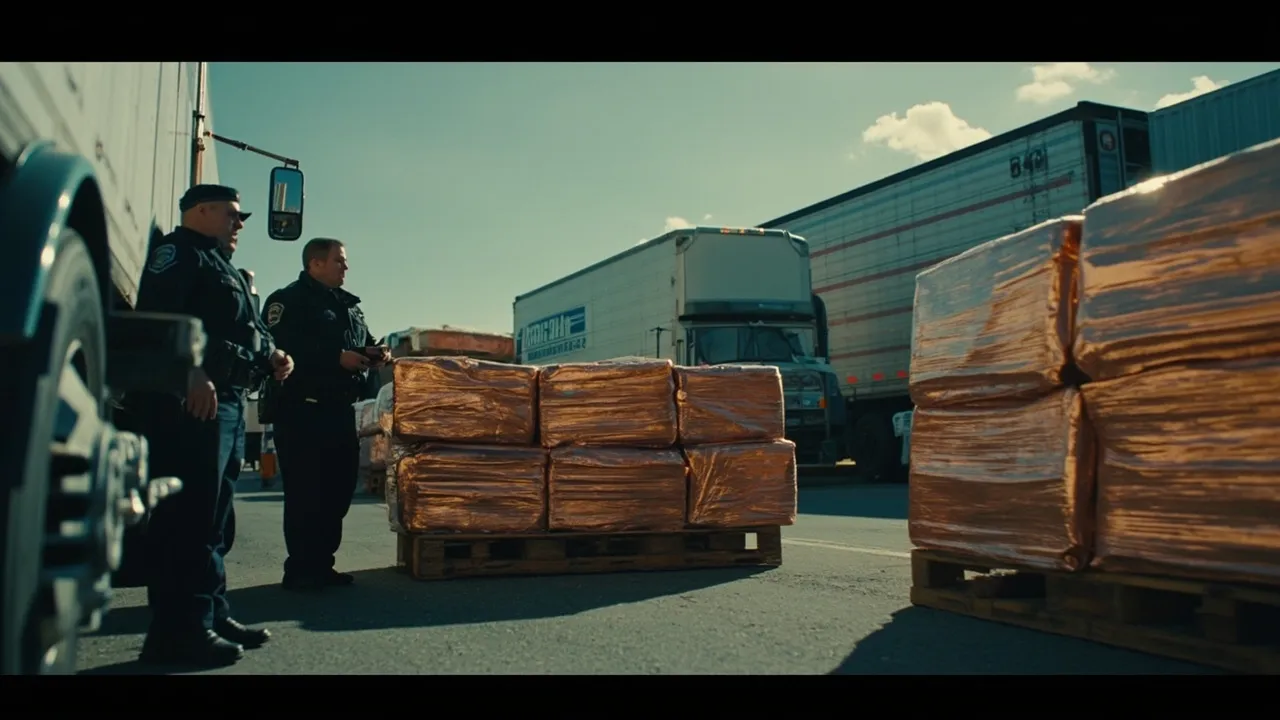
FreightWaves reported that Mexican authorities opened 2,099 cargo theft investigations from January through May 2026, down 21% from 2,653 investigations during the same period in 2025. That is real improvement. It also sits beside a darker operating fact: trucking leaders said organized criminal groups are using more violent tactics, and Canacar reported at least 14 commercial driver deaths in highway attacks so far this year.
That combination changes how logistics teams should read the data. A lane can show fewer theft events and still become harder to insure, harder to staff, harder to route, and harder to recover from when something goes wrong.
The Geography Still Matters
Mexico's national cargo theft count is moving in the right direction, but the risk is not evenly distributed. FreightWaves reported that the State of Mexico remained the largest cargo theft hotspot, with 1,074 investigations in the first five months of 2026. Authorities and industry groups also identified the Mexico-Pachuca Highway, Circuito Exterior Mexiquense, and roadways around Tecamac, Ecatepec, and Tizayuca as high-risk corridors.
The Veracruz-Puebla corridor is another red flag. Canacar's Veracruz delegate, Norberto Limon, identified the Cumbres de Maltrata to Esperanza stretch as the country's most dangerous highway segment. The same report noted that roughly 70% of freight arriving at the Port of Veracruz moves toward central Mexico, which forces thousands of trucks through a corridor where Canacar estimates more than half of cargo robberies occur.
Those details matter because cross-border risk is not solved with a generic "Mexico lane" label. The operational question is much sharper: Which origin, corridor, commodity, stop pattern, carrier, and handoff combination creates exposure on this shipment?
Fewer Incidents Can Still Mean Higher Risk
The uncomfortable lesson is that frequency and severity can move in opposite directions. A 21% decline in investigations may reduce total case volume, but violence can raise the stakes for every remaining shipment. The driver-safety dimension also changes commercial decisions. A carrier may refuse certain schedules. An insurer may impose exclusions. A customer may require escorted transit. A shipper may need secure parking instructions, tighter appointment windows, or a forced reroute when a checkpoint, protest, or corridor alert changes the plan.
FreightWaves reported that Canacar said nearly 13,000 violent cargo robberies and fewer than 1,000 nonviolent robberies were recorded from January through May, representing a 16% decline from the prior year. The point is not only the count. It is the mix. When the incident profile is more violent, logistics teams need controls that protect people before they protect freight value.
That is also consistent with the broader operating environment. SupplyChainBrain wrote that 2026 has forced supply chains to adapt to uncertainty while continuing to keep goods moving, with North American shippers also watching USMCA talks and planning around trade uncertainty. Cross-border security is part of that same adaptation problem. The plan cannot assume today's route will remain acceptable tomorrow.
Build a Cross-Border Risk File
The practical response is a shipment-level risk file. It should not live as a paragraph in an email thread or a static lane note in a spreadsheet. It should be a structured operating record that follows the load from planning through delivery.
Start with the lane. The record should show origin, destination, border crossing, intermediate stops, planned highways, and any known high-risk segments. If a shipment touches the State of Mexico, Veracruz-Puebla, Guanajuato, or another flagged corridor, that should be visible before tendering.
Add the commodity. Theft risk changes when the load includes electronics, automotive parts, food and beverage, consumer goods, pharmaceuticals, or other high-demand freight. Commodity, value, temperature sensitivity, and replacement difficulty should affect the routing and carrier decision.
Attach the carrier file. Cross-border freight needs current authority, insurance, driver qualification, equipment information, contact rules, escalation contacts, and documented acceptance of security requirements. If the carrier subcontracting rule is "no subcontracting without written approval," the shipment record should say that clearly.
Record secure parking and stopping rules. Drivers are most vulnerable when stopping for fuel, meals, or rest, according to the FreightWaves coverage. That makes parking a control point, not a footnote. The file should specify approved stops, no-stop segments, fuel strategy, rest location, and what happens if a driver cannot comply.
Define the border process. The record should include crossing point, broker contact, appointment expectations, document status, customs hold procedure, and who owns delays. A customs delay can turn into a security problem if a truck waits in the wrong location without a live escalation path.
Document insurance conditions. If the policy requires escort service, dual drivers, geofencing, approved parking, nighttime movement restrictions, or immediate reporting windows, those rules need to be available to dispatch before the truck moves. Insurance terms discovered after a loss are not controls. They are surprises.
Finally, set the reroute trigger. If there is a corridor alert, missed check call, unplanned stop, prolonged detention, driver distress signal, geofence exception, or local security notice, the shipment record should already say who decides, who gets notified, and what alternate plan is allowed.
Cross-Border Risk Is a Live Workflow
Logistics Management's 37th State of Logistics coverage reported that U.S. business logistics costs totaled $2.4 trillion, or 7.8% of GDP, and that logistics performance now depends on resilience, pricing discipline, and digital productivity. It also noted that the truckload market increasingly behaves like a collection of lane-specific markets, with pricing, capacity, and service levels varying by corridor.
That lane-specific view is exactly how Mexico security risk should be managed. Cross-border operations should not treat security as a once-a-year carrier review. It belongs in the daily tender, route, milestone, and exception workflow.
CXTMS helps teams put that workflow in one place. Lane-risk tags can make exposed corridors visible during planning. Carrier qualification records can keep insurance, authority, and security requirements connected to the load. Milestone monitoring can surface missed check calls, unplanned stops, and late arrivals before they become claims files. Escalation rules can route the right exception to operations, compliance, the broker, the carrier, or the customer without waiting for someone to notice a buried message.
The 2026 data should not make logistics teams complacent because the investigation count is lower. It should make them more precise. Safer cross-border freight depends on knowing which lanes are improving, which corridors remain dangerous, which loads need extra controls, and which exception signals require immediate action.
If your team is ready to manage North American freight risk at the lane and shipment level, schedule a CXTMS demo. CXTMS helps logistics teams connect carrier qualification, route monitoring, exception escalation, and shipment evidence before cross-border risk becomes an expensive emergency.