USMCA Negotiations Are Back, and Rules of Origin Are the Freight Planning Issue


USMCA negotiations are back on the calendar, and the freight impact is hiding in a phrase that sounds like trade-law plumbing: rules of origin. For shippers moving industrial goods across the U.S.-Mexico border, origin qualification is no longer just a customs checkbox. It is becoming a lane-planning, landed-cost, and document-control issue.
Logistics Management reported that the U.S. and Mexico launched new bilateral negotiating rounds ahead of the July 1 USMCA joint review deadline. The first round was scheduled for May 28-29 in Mexico City, led by Deputy U.S. Trade Representative Jeff Goettman, with rules of origin for key industrial goods explicitly on the agenda. A second round is set for June 16-17 in Washington, D.C., followed by another Mexico City round on July 20.
That schedule matters because freight networks do not wait politely for final treaty language. Purchase orders, supplier allocations, customs files, carrier bids, and border capacity decisions are already being made for the second half of 2026. If the rules tighten, the operational pain will show up first in the shipment file.
Duty-free treatment depends on proof, not proximity
The commercial appeal of Mexico is obvious: proximity to U.S. demand, shorter transit times than Asia sourcing, mature industrial clusters, and deep cross-border carrier networks. But geographic proximity does not automatically make a product USMCA-originating.
Under USMCA, qualifying Mexican imports can enter the U.S. duty-free when they satisfy the agreement's origin rules. Logistics Management also noted the other side of that equation: Mexican imports that do not qualify under USMCA origin rules are subject to a 25% tariff. That spread is big enough to change margin, customer pricing, mode selection, and whether a nearshoring program still pencils out.
The exposure can stack. The same reporting cited current U.S. measures affecting Mexico-linked goods, including a 25% tariff on steel, a 10% tariff on aluminum, a 25% tariff on autos and auto parts that do not meet USMCA content or labor thresholds, and a 20% fentanyl tariff on non-originating goods. Those numbers turn origin data from back-office compliance into freight economics.
Supply Chain Dive's tariff tracker captures the broader environment: U.S. trade policy has shifted repeatedly through tariffs, investigations, court actions, and negotiated frameworks. Even when a tariff is changed, paused, or challenged, shippers still have to quote freight, clear customs, and explain landed cost to customers.
Rules of origin are a planning constraint
Rules of origin determine whether enough value, processing, or transformation occurred inside the USMCA region for a product to receive preferential treatment. In practice, that means freight teams need to know more than the pickup location in Mexico. They need to know component origin, HS classification, regional value content where applicable, supplier declarations, production steps, and whether the shipment file can prove the claim.
That is especially important for industrial goods, automotive parts, electronics, machinery, and components that may cross borders multiple times before final assembly. A part can be manufactured in one country, processed in another, assembled into a larger system in a third, and then shipped back across the border for distribution. If documentation breaks anywhere in that chain, the freight move can become a tariff problem.
This is why the current negotiation rounds are not just a policy story. They are a freight-planning signal. If negotiators focus on economic security and industrial origin rules, cross-border operators should assume scrutiny will rise around supplier identity, non-originating inputs, and claims that goods qualify for duty-free treatment.
The risk lives at lane level
Most companies will not feel USMCA risk evenly across the network. It will concentrate in specific lanes, SKUs, suppliers, and customers.
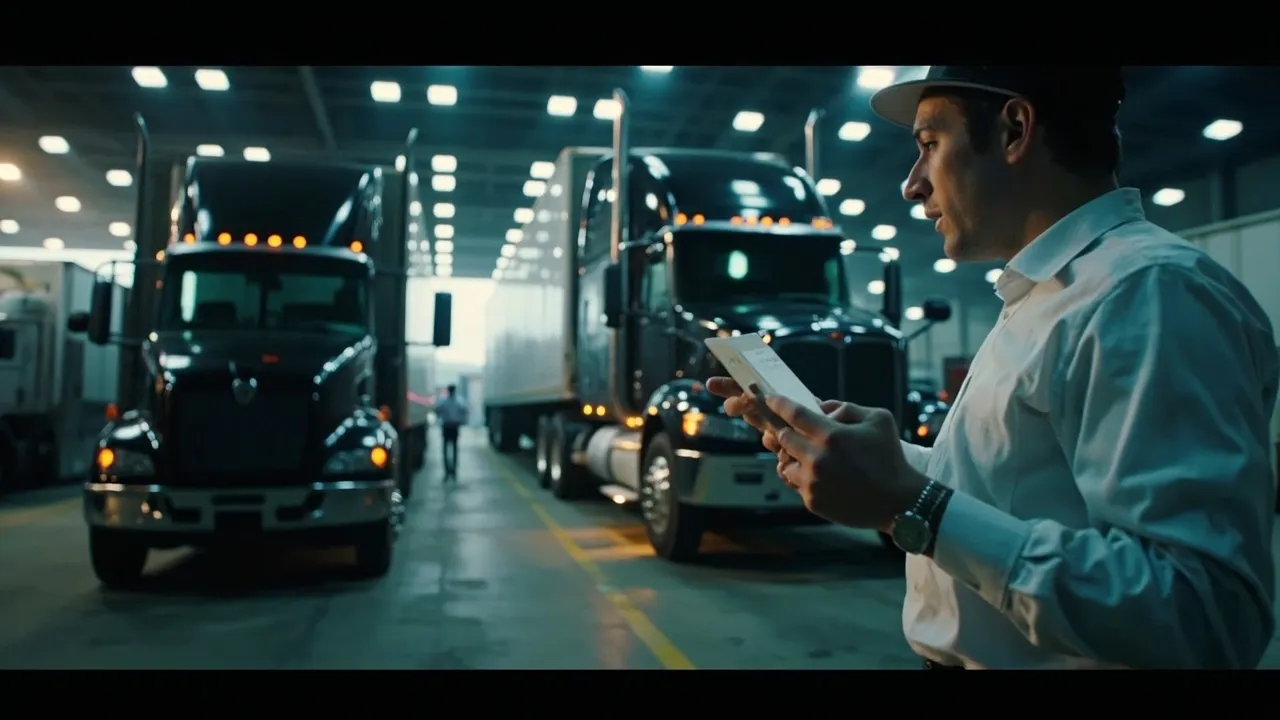
A Monterrey-to-Laredo automotive lane with imported Asian components has a different risk profile than a food-grade packaging shipment made entirely with North American materials. A high-volume supplier with clean certificates and stable bill-of-material records is not the same as a new supplier that was onboarded quickly to solve a capacity shortage. A customer order quoted assuming duty-free treatment is not the same as a shipment priced with tariff exposure already modeled.
That means the right response is not panic. It is segmentation. Freight and compliance teams should map which lanes depend most heavily on USMCA eligibility, which suppliers use non-originating inputs, which products are exposed to steel, aluminum, auto, or other sector tariffs, and which shipments lack clean origin evidence before they reach the broker.
The border is the wrong place to discover that a supplier declaration is missing.
Document control needs to move upstream
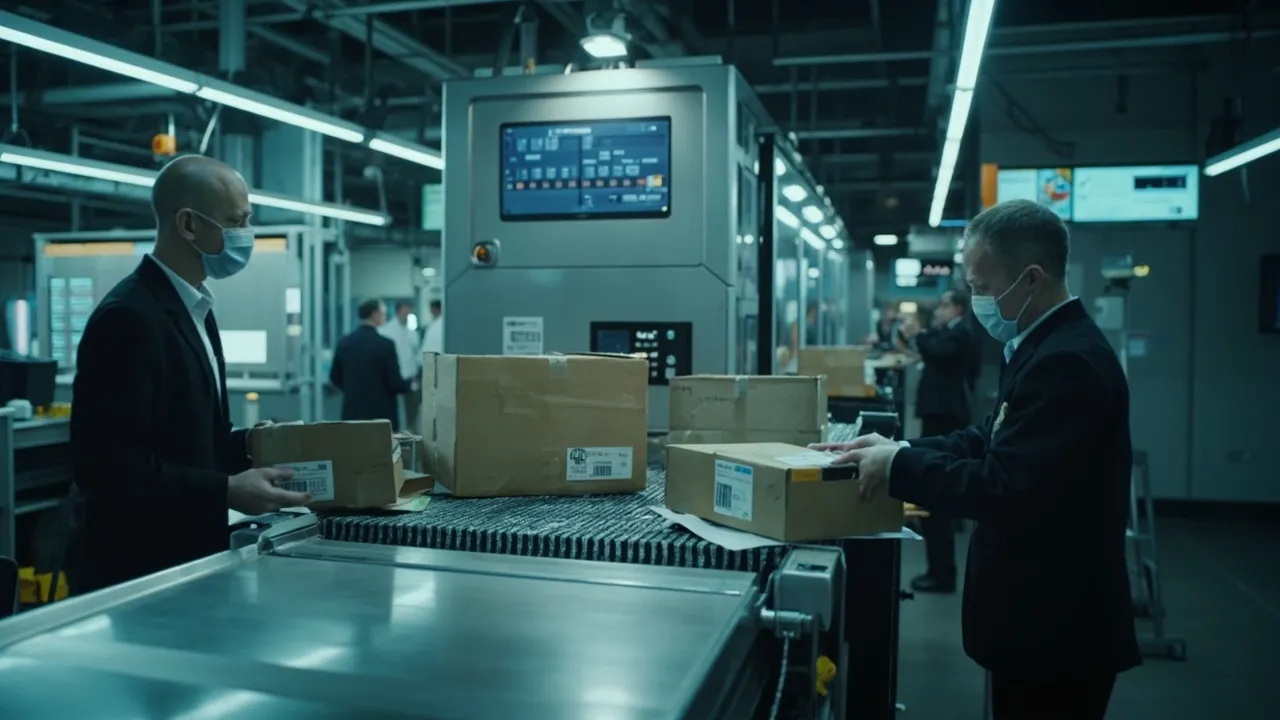
The practical fix is lane-level document control. Certificates of origin, commercial invoices, bills of material, HS codes, supplier declarations, purchase orders, and broker instructions should be attached to the shipment workflow before dispatch, not chased from inboxes while freight is already moving.
Forwarders and shippers should build exception logic around three questions:
- Does this shipment claim USMCA preferential treatment?
- Is the evidence complete enough to support that claim?
- What is the landed-cost impact if the claim fails?
If the answer to the second question is uncertain, the shipment should be flagged before pickup. If the answer to the third question materially changes the economics, sales, finance, procurement, and transportation all need visibility. Otherwise the freight team inherits a pricing problem that originated in sourcing.
This is also where transportation management and trade compliance have to stop operating as separate worlds. Routing guides, carrier assignments, border-crossing choices, and appointment timing should reflect compliance readiness. A shipment that is physically ready but not origin-ready is not truly ready.
Build the USMCA playbook now
The July 1 joint review deadline gives companies a narrow window to clean up their operating model. The smartest teams will not wait for final negotiation outcomes. They will build a USMCA playbook now:
- Identify lanes and SKUs where duty-free treatment is assumed.
- Validate supplier origin data and refresh certificates before peak volume.
- Model tariff scenarios for non-originating goods, including sector-specific exposure.
- Store origin evidence at the shipment and SKU level, not in disconnected email threads.
- Give brokers complete packets earlier, with clear escalation paths for missing data.
- Track origin exceptions by supplier, lane, product family, and customer account.
None of that requires knowing exactly where the negotiation lands. It requires accepting that origin proof is becoming part of freight execution.
USMCA was designed to support North American trade. That does not make compliance automatic. As rules of origin return to the negotiating table, shippers need freight workflows that can prove eligibility, price exceptions, and keep cross-border moves from turning into tariff surprises.
CXTMS helps logistics teams connect shipment execution, document control, exception workflows, and lane-level visibility in one operating layer. If your Mexico freight depends on USMCA eligibility, contact CXTMS and build the proof trail before the border asks for it.