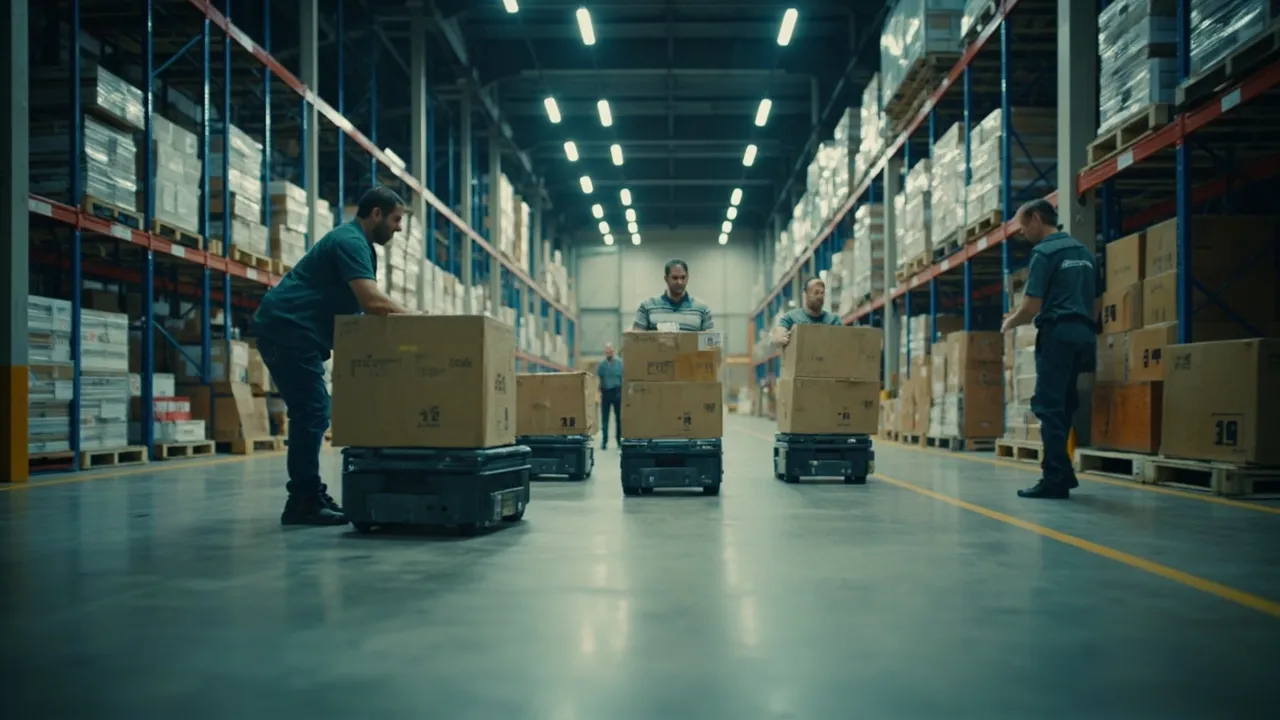
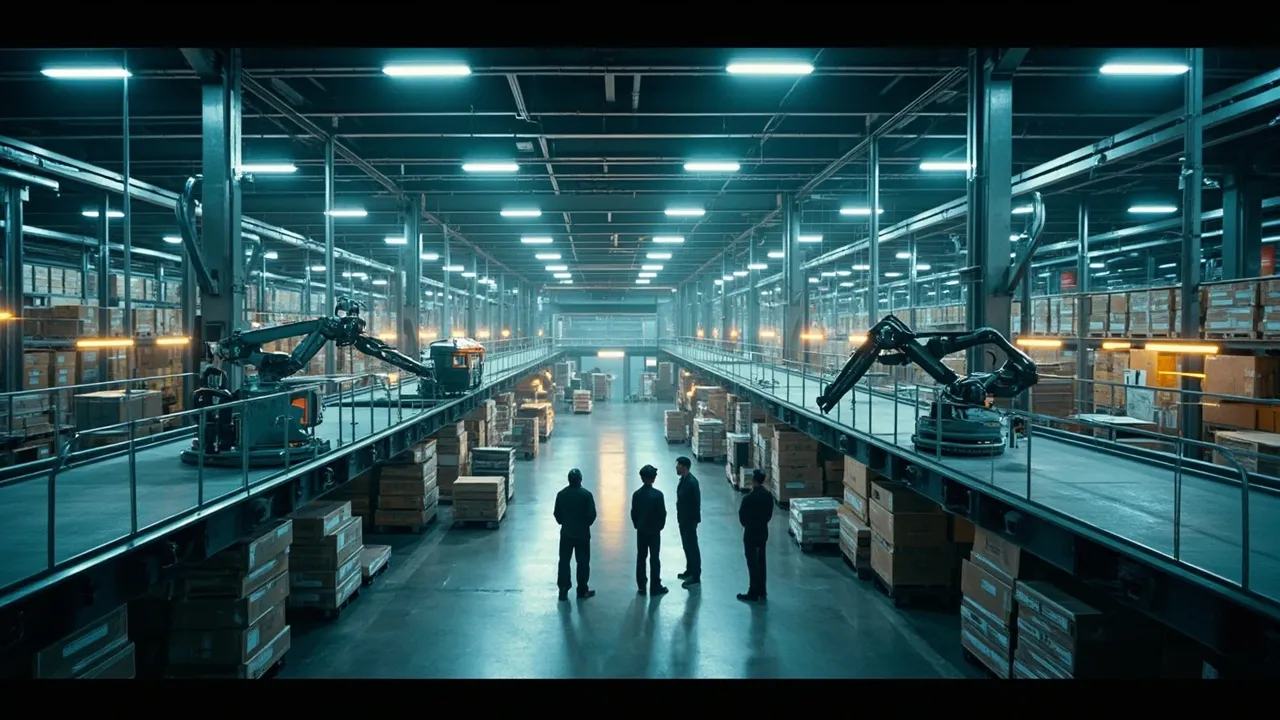
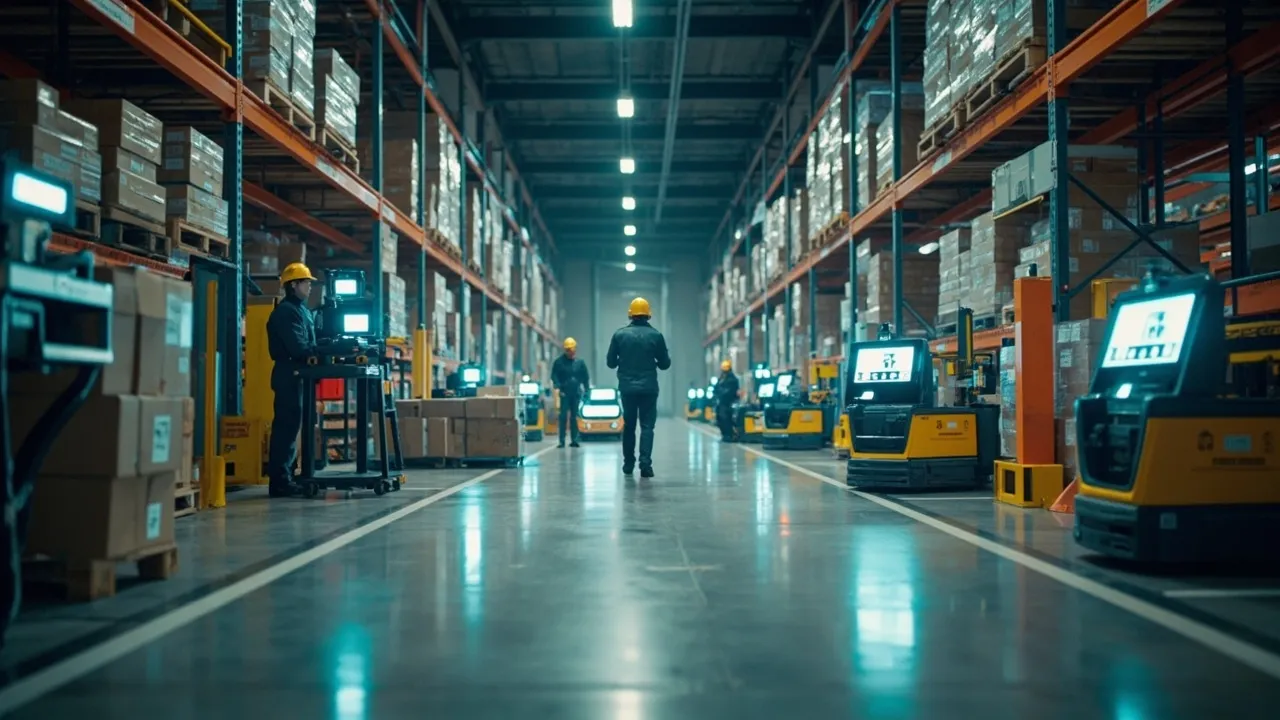
Material Handling Equipment Demand Hit a Record High. Warehouse Capex Is Getting Harder to Time.

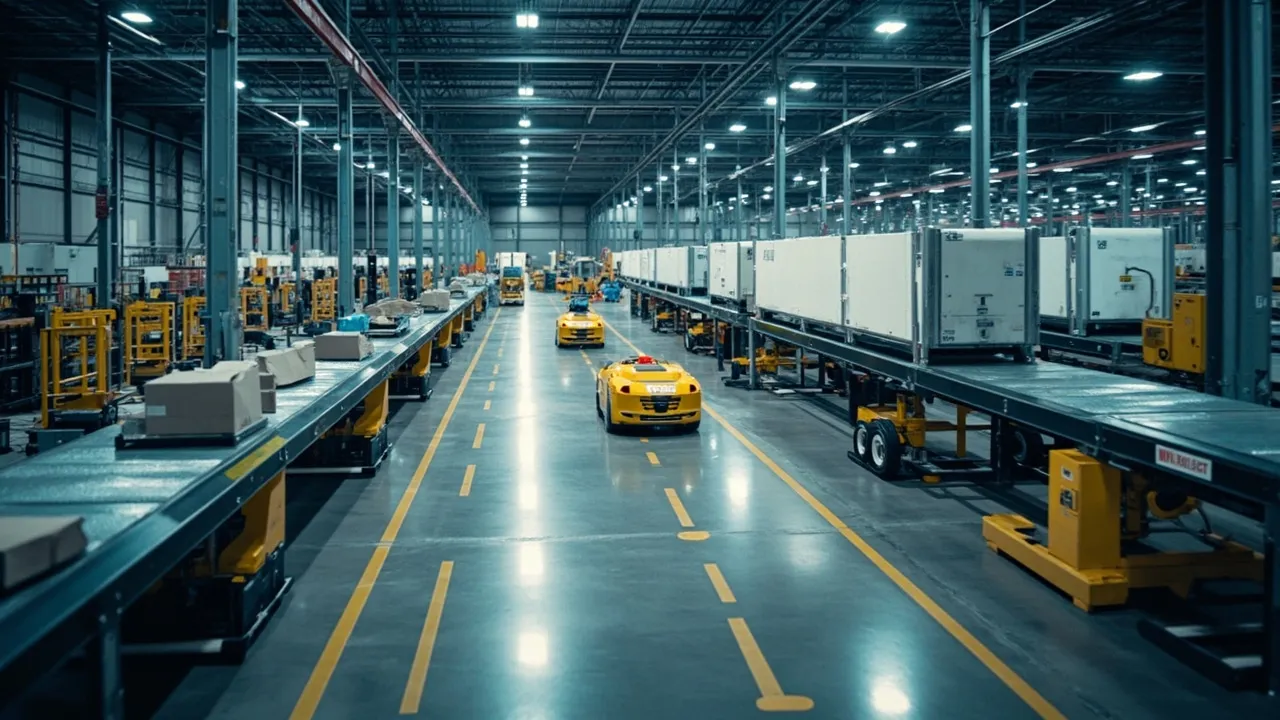
Warehouse leaders are getting a mixed signal from the market: uncertainty is rising, but material handling investment is not slowing down.
Modern Materials Handling reported that equipment new business volume reached $10.8 billion in March 2026 on a seasonally adjusted basis, helping push the first quarter to the highest level on record. The same report noted that new business volume was up 18.6% year to date and 12.5% higher than March 2025. That is not a cautious market. It is a market where operators still believe capacity, labor productivity, and execution speed are worth funding even when the macro picture is cloudy.
The catch is timing. Buying conveyors, lift trucks, storage systems, robotics, dock equipment, or warehouse software too late can lock a facility into another peak season of overtime and missed service targets. Buying too early—or buying the wrong layer first—can strand capital in a shiny asset that does not fix the actual bottleneck.
That is why warehouse capex planning in 2026 needs to be less about chasing the newest machine and more about sequencing investments around measurable operating constraints.
Why demand can rise while CFOs stay nervous
The record quarter looks counterintuitive if you only read the macro headlines. Tariff uncertainty, elevated borrowing costs, geopolitical disruption, and freight volatility should make capital committees more conservative. But inside the four walls, many warehouses are already past the point where deferral feels safe.
The pressure is visible in three places.
First, labor remains the core business case. Modern Materials Handling’s 2026 Intralogistics Robotics Report, based on a survey of 166 warehouse, distribution, and manufacturing operations professionals involved in robotic automation decisions, found that 52% are already running robots and another 32% plan to within three years. Labor cost and availability were cited as drivers behind nearly every business case. That does not mean every warehouse needs robots immediately. It does mean leaders are trying to remove labor from the most repetitive, travel-heavy, and ergonomically punishing work before the next hiring crunch hits.
Second, service expectations keep tightening. Faster order cycles, smaller shipment profiles, and more frequent retail replenishment all push warehouses to do more touches per square foot. Even if transportation rates soften temporarily, poor dock flow or slow pick execution can still create late departures, missed appointments, detention, and expedited freight.
Third, technology has moved from dashboarding to execution. Logistics Management’s 2026 technology roundtable argued that supply chain technology is shifting from visibility toward operational decision support, automation, robotics, orchestration, and risk management. That matters because material handling equipment is no longer a standalone facilities decision. The best investments are tied to live operating data: order profiles, inbound variability, carrier arrival patterns, dock dwell, and labor productivity.
Start with the bottleneck, not the catalog
The worst warehouse capex mistake is starting with a vendor demo. A slick AMR fleet, conveyor extension, or automated storage system can look compelling while missing the actual constraint.
A better sequence starts with the process step that breaks first.
Receiving: If trailers wait because appointment schedules are unreliable or unload labor is misaligned, automation deeper in the building may just move the bottleneck. Receiving investments might include dock scheduling discipline, yard visibility, pallet dimensioning, lift-truck availability, or better exception workflows for late inbound loads.
Putaway: If inventory sits in staging because location assignment is slow or aisles are congested, the business case may point to slotting logic, mobile scanning, storage reconfiguration, or narrow-aisle equipment before robotics.
Replenishment: If pick faces run empty during waves, the fix may be demand-triggered replenishment rules, reserve-location accuracy, or better coordination between inventory planning and floor execution.
Picking: If travel time dominates labor hours, this is where goods-to-person, AMRs, voice, pick-to-light, and slotting optimization can pay off. Logistics Management cited examples where slotting optimization can reduce warehouse travel time by 10% to 20% when models continuously adapt to order patterns.
Packing: If pack stations become the choke point, adding pick capacity simply builds queues. Packaging automation, cartonization, scan validation, and labor balancing may deliver more value than another upstream machine.
Dock staging: If completed orders pile up because trailers, carriers, or appointments are out of sync, the facility needs better outbound visibility. That may mean staging lane redesign, dock-door allocation, appointment governance, or transportation integration before more internal conveyance.
The point is not that one technology is better than another. The point is that capex should follow the constraint map.
What CXTMS data should tell warehouse teams
A transportation management system can be more than the place where freight gets tendered after the warehouse finishes its work. Used properly, CXTMS data can expose which warehouse investments will actually protect service.
Inbound variability is the first signal. If suppliers and carriers routinely miss delivery windows, receiving automation alone may underperform because labor and dock plans are built on bad arrival assumptions. CXTMS appointment and milestone data can show which lanes, vendors, and carriers create the most disruption.
Dock dwell is the second signal. If trailers spend too much time waiting, loading, or unloading, the warehouse may need dock process redesign before broader automation. Dwell trends also help quantify the cost of congestion: detention exposure, late departures, and downstream service failures.
Outbound service failures are the third signal. Late tender acceptance, carrier no-shows, short lead times, and missed customer delivery windows can reveal whether the problem begins inside the warehouse or in transportation execution. That distinction matters. A pick-module investment will not solve a weak routing guide. A carrier scorecard will not fix slow pack-out.
Labor productivity is the fourth signal. When paired with order profile data, productivity trends show whether the facility is suffering from excessive travel, poor slotting, bad replenishment timing, or uneven wave planning.
Capex planning needs a tighter feedback loop
The high equipment-demand market creates a temptation to rush. Lead times can stretch, financing windows can shift, and internal stakeholders may fear being left behind. But the strongest 2026 warehouse investment plans will be disciplined, not timid.
Build the business case around a baseline: dock dwell, lines picked per labor hour, travel time, trailer turn time, replenishment misses, late departures, and expedited freight caused by warehouse delays. Then match each proposed investment to one or two measurable outcomes. If a project cannot name the operational failure it will reduce, it is not ready for approval.
Finally, connect the facility roadmap to transportation execution. Warehouses do not win by becoming automated islands. They win when inbound appointments, labor plans, pick execution, dock staging, and carrier departure times work as one operating system.
Material handling demand may be at a record high, but capital is still finite. The winners will not be the companies that buy the most equipment. They will be the ones that buy the right capacity, in the right order, with the data to prove it.
CXTMS helps logistics teams connect warehouse constraints, dock performance, carrier execution, and service outcomes in one transportation workflow. Schedule a CXTMS demo to see how better operational visibility can turn warehouse capex planning into measurable execution improvement.