A New Western Indian Ocean Piracy Task Force Raises the Bar for Voyage Evidence

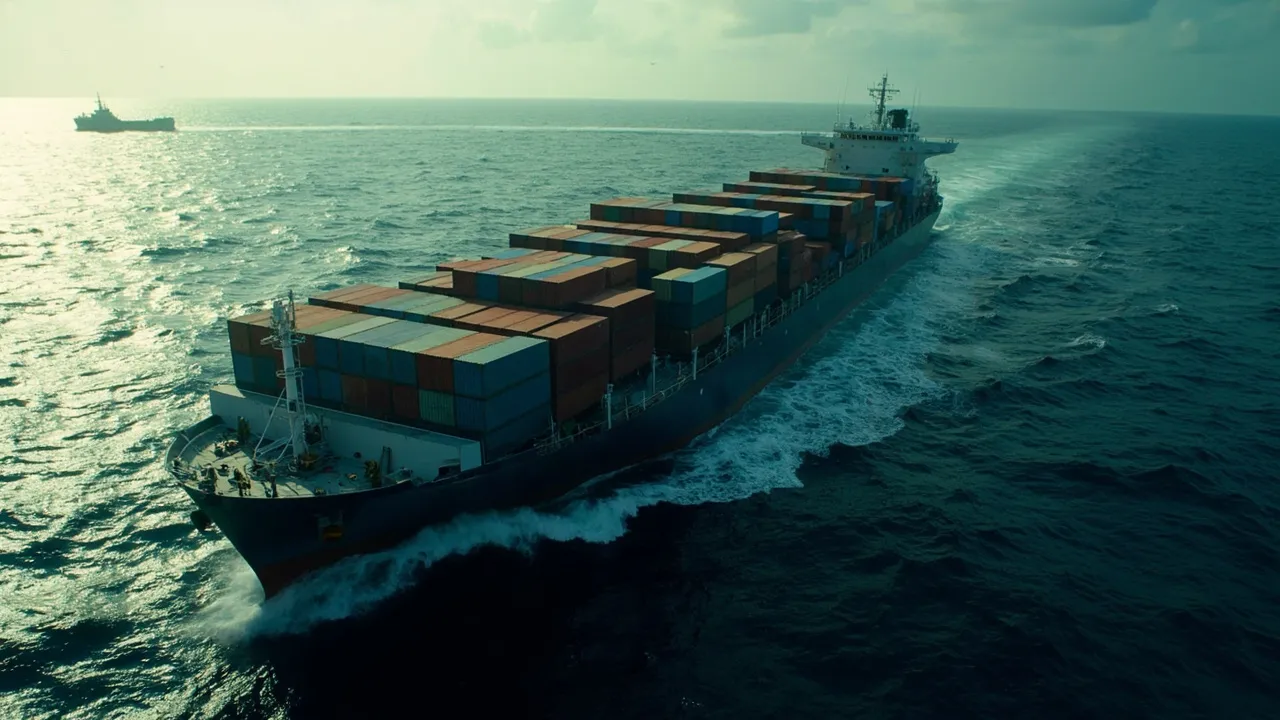
The Western Indian Ocean's renewed piracy threat is becoming an information-management test as much as a vessel-security problem. A shipper may not control naval patrols or a carrier's onboard defenses, but it does control whether route decisions, security alerts, insurance approvals, and customer notifications can be reconstructed after a voyage.
SupplyChainBrain reports that member states of the Djibouti Code of Conduct are establishing a task force to address resurgent piracy in the Western Indian Ocean and Gulf of Aden. That regional response should improve coordination, but it does not transfer the shipper's commercial obligations to the coalition. Every affected booking still needs a defensible decision trail.
A coordinated response does not make every voyage equal
The Djibouti Code of Conduct provides a framework for regional cooperation against piracy and armed robbery. A dedicated task force signals that participating governments see enough renewed activity to justify a more focused response. For cargo owners, the important operational implication is that the risk zone is dynamic: advisories, patrol coverage, vessel behavior, and insurer requirements can change between booking and passage.
History also warns against treating naval presence as complete protection. Reuters reported that, at the height of the earlier international response, as many as 20 warships from 14 countries patrolled Gulf of Aden and Indian Ocean lanes at a given time. Those forces covered an area described as the size of the Mediterranean and Red Seas combined. Wide geography creates unavoidable gaps, which is why the controls applied to an individual vessel and voyage remain decisive.
The return of successful attacks is not theoretical. In March 2024, Reuters documented the Indian Navy's recapture of the Ruen and rescue of 17 crew members. Reuters described the vessel's earlier seizure as the first successful takeover involving Somali pirates since 2017. That long interval can create organizational complacency: procedures remain in a policy document while the people who last used them have moved roles.
Convert advisories into shipment decisions
A generic security bulletin does not tell a planner what to do with a container. Transportation teams need pre-agreed rules that translate changing threat information into four commercial decisions.
Route. Identify whether the planned track crosses a designated risk area, the expected dates of entry and exit, and the last practical point for diversion. Record the carrier's proposed mitigations and the cost, schedule, fuel, and inventory consequences of an alternate route.
Carrier and vessel. Do not evaluate only the carrier name. Capture the operating vessel, flag, ownership and management entities, speed profile, freeboard, communication plan, security procedures, and recent changes to the rotation. A vessel substitution should reopen the approval rather than inherit it automatically.
Insurance. Confirm geographic limits, war-risk or piracy endorsements, additional premium, deductible, notification deadlines, and the evidence required for a claim. An old FreightWaves analysis illustrates how risk perception can diverge from incident frequency: it cited an estimated capture rate of roughly one ship in 500 transiting the Gulf of Aden while pricing reflected one in 100. Current pricing will differ, but the lesson holds—underwriters price uncertainty, so better voyage evidence strengthens renewal and claims discussions.
Cargo release. Define who can approve loading, sailing, entry into the risk zone, or release after a security event. High-value, hazardous, temperature-sensitive, or production-critical cargo may require a higher approval level or a different routing threshold than ordinary freight.
Build a voyage evidence pack before departure
The strongest evidence is captured during the decision, not recreated after an incident. Each shipment crossing the region should carry a versioned voyage evidence pack linked to the booking and container records.
At minimum, preserve:
- the booked and actual vessel, voyage number, ports, route, and risk-zone timestamps;
- the advisory source, publication time, geographic scope, and version used for approval;
- carrier security confirmation and any declared best-management-practice measures;
- insurer or broker approval, policy reference, premium, exclusions, and notification duties;
- shipper approval with decision owner, timestamp, assumptions, and expiration point;
- container numbers, seal records, cargo value, commodity, dangerous-goods status, and customer commitments;
- position and milestone events before, during, and after the risk-zone passage;
- alerts, acknowledgments, escalation messages, route changes, and customer notifications.
Evidence quality matters. A screenshot without a source time, a forwarded email without its attachment, or an alert disconnected from the affected containers may not prove what the decision-maker knew. Store the original document or message, its source, receipt time, applicable geography, and links to every impacted shipment.
Design the exception workflow before the alarm
Piracy procedures often focus on the vessel emergency while neglecting the land-side commercial response. The shipper's workflow should distinguish an advisory change, suspicious approach, attempted boarding, confirmed boarding, loss of communication, diversion, port omission, and release by authorities. Each state needs a named owner and a clock.
An advisory change might require a renewed insurer confirmation within hours. A diversion could trigger inventory reallocation and revised arrival estimates. Loss of communication should suppress speculative customer messages while starting an internal escalation. A confirmed event should preserve records, notify the broker and insurer within policy deadlines, identify affected purchase and sales orders, and establish a controlled source of truth.
Templates help, but notifications must cite the shipment, known facts, operational consequence, next decision time, and responsible contact. Customers should not have to reconcile conflicting messages from procurement, forwarding, and customer service.
Make voyage risk auditable in CXTMS
A transportation management system can bind the risk assessment to the shipment instead of leaving it across inboxes and shared drives. CXTMS can associate advisories with geographic zones, flag bookings whose planned passage overlaps an active warning, require vessel and insurance fields, route approvals by cargo profile, and prevent tender or release when evidence is missing or expired.
As milestones arrive, the same record can retain position events, alert acknowledgments, deviations, costs, insurer correspondence, and customer notices. After the voyage, teams can compare approved versus actual route, time in the risk zone, exceptions, additional premium, and delivery impact. That creates evidence for claims and renewals—and reveals which carriers and controls actually reduced exposure.
The new task force is a welcome regional response, but it is not a substitute for shipment governance. Shippers should assume that every high-risk voyage may later be examined by an insurer, customer, auditor, or executive. If the evidence pack can answer what was known, who approved the movement, what changed, and how the organization responded, maritime risk becomes manageable rather than merely alarming.
Ready to connect maritime risk events, approvals, and evidence to every shipment? Request a CXTMS demo and turn voyage-security policy into an auditable operating workflow.