Warehouse Pest Pressure Belongs in the Dock-Event Record

Pest control at a warehouse is often documented in one system while receiving activity lives in another. That separation hides the operational story.
A trap inspection may show increased activity near Door 14, but the monthly pest-control report cannot explain which trailers visited that door, whether a dock seal was damaged, what products were received, or whether heavy rain preceded the increase. Conversely, a receiving record may document a rejected pallet without showing that two similar sightings occurred in the same zone during the prior week.
The remedy is not another checklist. Pest observations belong in the dock-event record, connected by location and time to the freight movements and facility conditions that may have caused them.
The loading dock is a changing risk boundary
Warehouse pest pressure does not disappear when a season changes. Modern Materials Handling notes that constant shipments, open dock doors, and high product turnover create opportunities for pests to enter and move through logistics facilities. Weather and exterior conditions also change the risk throughout the year.
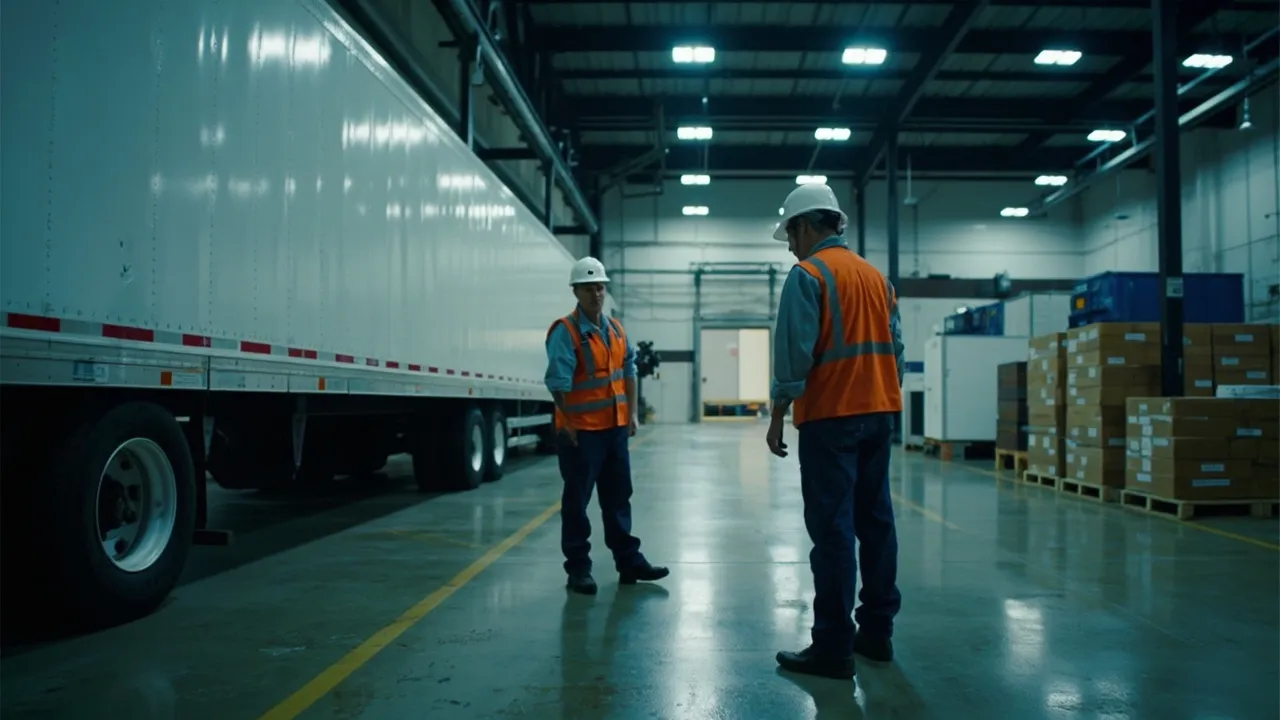
That makes the dock less like a fixed wall and more like a frequently opened control boundary. Every trailer arrival changes the conditions: a door opens, a seal meets a different trailer profile, pallets cross the threshold, packaging debris accumulates, and personnel move between interior and exterior zones.
The consequences can be severe. Food Logistics described a 2022 FDA inspection that found live rodents, more than 1,000 dead rodents, excreta, gnawing, and nesting evidence at a distribution facility. The lesson is not merely that inspections matter. It is that scattered warning signs must become visible early enough to prevent a localized pathway from becoming a facility-wide event.
Build one timeline from six types of evidence
A useful dock-event record should connect six data streams:
- the receiving event, including carrier, trailer, appointment, door, arrival, departure, and shipment or lot identifiers;
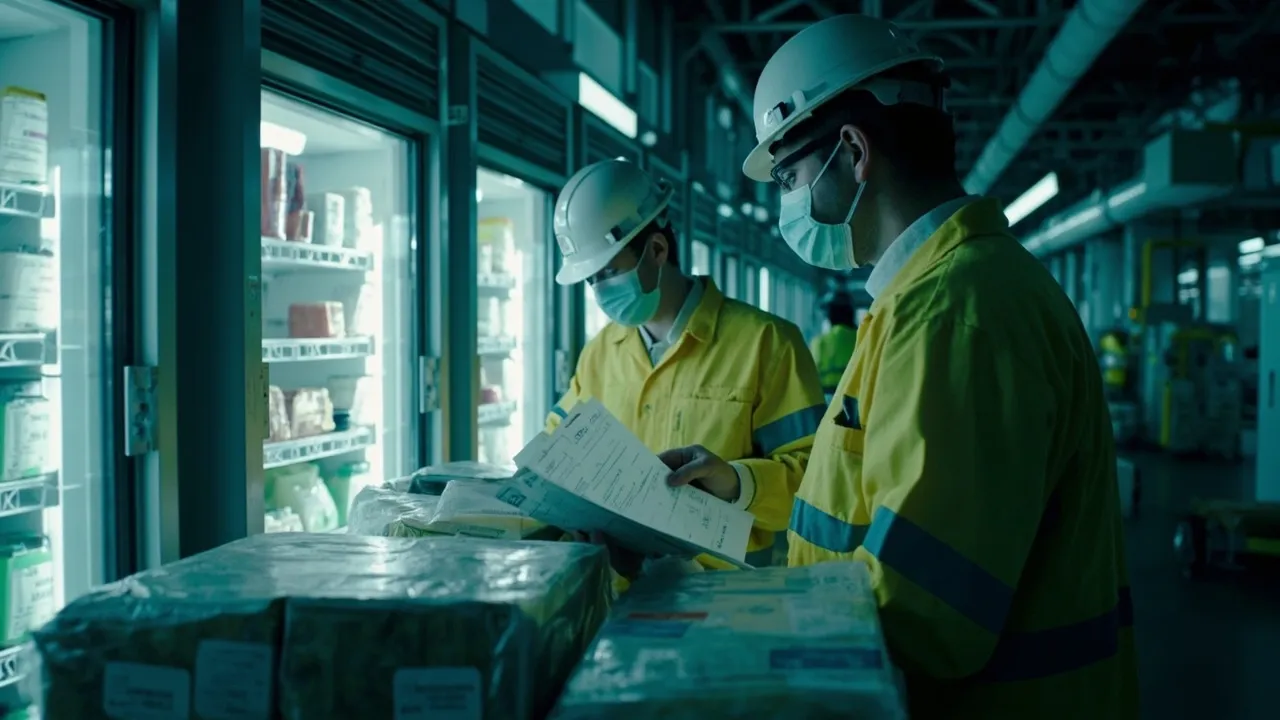
- the inbound inspection, including trailer cleanliness, packaging condition, odors, moisture, droppings, insects, gnaw marks, and photographs;
- pest-monitoring evidence, including sighting type, trap or device identifier, count, condition, and exact zone;
- sanitation work, including spill removal, waste pickup, drain cleaning, and completion time;
- facility conditions, including door-open duration, dock-seal defects, lighting, standing water, and exterior vegetation; and
- weather context, especially heat, freezing conditions, rain, and abrupt seasonal changes that can shift pest behavior.
Each record needs a timestamp and a stable location hierarchy: facility, yard sector, door, staging lane, rack zone, and monitoring device. Free-text descriptions such as “near receiving” are too vague for recurrence analysis.
The system should also preserve negative evidence. A completed trailer inspection with no finding helps distinguish a supplier or carrier pattern from a broader facility problem. Likewise, recording that Door 14 was closed and its seal passed inspection prevents teams from drawing conclusions based only on positive sightings.
Turn observations into controlled decisions
Not every observation requires rejecting a load, but every class of observation should have a predefined response. A practical decision table can separate four actions.
Hold. Place freight in a designated, physically separated status when inspectors find live pests, droppings, larvae, webbing, damaged packaging, unexplained moisture, or other evidence that could affect product. The hold record should identify every pallet and lot affected and prevent allocation or shipment.
Inspect. Expand the inspection to adjacent pallets, trailer corners, staging lanes, and the receiving door. Capture photographs and counts rather than relying on “pass” or “fail.” For food and other sensitive freight, quality personnel should determine disposition.
Clean and correct. Create sanitation and maintenance tasks with owners and deadlines. A cleaning task removes the immediate attractant; a corrective task addresses the pathway, such as a worn door sweep, damaged seal, leaking drain, or waste-container problem. Closing one without the other leaves the risk intact.
Escalate. Notify the supplier, carrier, pest-management provider, or facility leader when a threshold is crossed. Repeat findings tied to the same origin, trailer, product, or lane should trigger a supplier corrective-action request. Recurrence at one door should trigger a facility review even when individual loads appear clean.
Food Logistics identifies loading docks among the common pest-vulnerable zones in distribution centers and recommends prioritizing vulnerable areas for regular inspection. A system-driven workflow makes that prioritization dynamic: inspection intensity rises where recent evidence shows elevated pressure.
Measure prevention as an operating process
A monthly service completion rate says little about whether risk is improving. Operations leaders need measures that connect detection, containment, and prevention:
- sightings and trap activity by 1,000 receiving events;
- recurrence by door, zone, supplier, origin, carrier, and product class;
- median time from observation to containment and corrective-action closure;
- number of affected pallets, lots, and orders;
- door-open time and unresolved exclusion defects in high-activity zones;
- percentage of suspect loads with complete photographs and disposition records; and
- prevention cost compared with holds, disposal, rework, claims, and lost operating time.
Normalize activity against throughput. Ten sightings during 20,000 receipts indicate a different pattern than ten sightings during 500 receipts. Use rolling weekly trends as well as monthly totals so a sudden cluster does not wait for the next service report.
Dashboards should support investigation, not automatic blame. A correlation between one supplier and several findings is a reason to inspect evidence and packaging practices, not proof of origin. Time-stamped photographs, device readings, trailer checks, and sanitation history give both parties a defensible record.
Make pest prevention part of receiving execution
Integrated pest management works best when it is connected to everyday warehouse decisions. Dispatch and receiving teams already know which trailer arrived, where it docked, what it carried, and how long it stayed. Quality teams know the affected lots. Maintenance knows which door needs repair. Pest specialists understand species, pathways, and seasonal behavior.
The dock-event record joins those perspectives. It lets a supervisor move from “activity increased this month” to “three observations followed evening receipts at two adjacent doors after heavy rain, while one seal defect remained open.” That statement can drive a specific response and later show whether it worked.
CXTMS can connect appointments, carriers, shipments, exceptions, documents, and corrective workflows in a shared operational record. Request a CXTMS demo to see how traceable dock events can strengthen receiving control and supplier accountability.