Warehouse Automation Is Ticking Up: Budget the Service Capacity Before the Equipment


Warehouse automation budgets are rising, but equipment availability—not installation day—determines whether those investments deliver. A conveyor, robot, or automated storage system that cannot be restored quickly during peak volume is expensive floor space, not productive capacity.
The market's direction is clear. Modern Materials Handling's 2026 Automation Study found that surveyed companies plan to spend an average of $1.6 million on materials handling equipment and solutions in 2026, up from $1.5 million in 2025. Yet the same study shows why capital approval must include the service model: 95% of respondents called fast service response essential, 92% rated durability, reliability, and uptime very important, and 74% emphasized parts availability and obsolescence risk.
The practical lesson is simple: approve automation only when the people, parts, software support, and fallback capacity needed throughout its lifecycle have owners and funding.
Adoption Is Not the Same as Operating Capacity
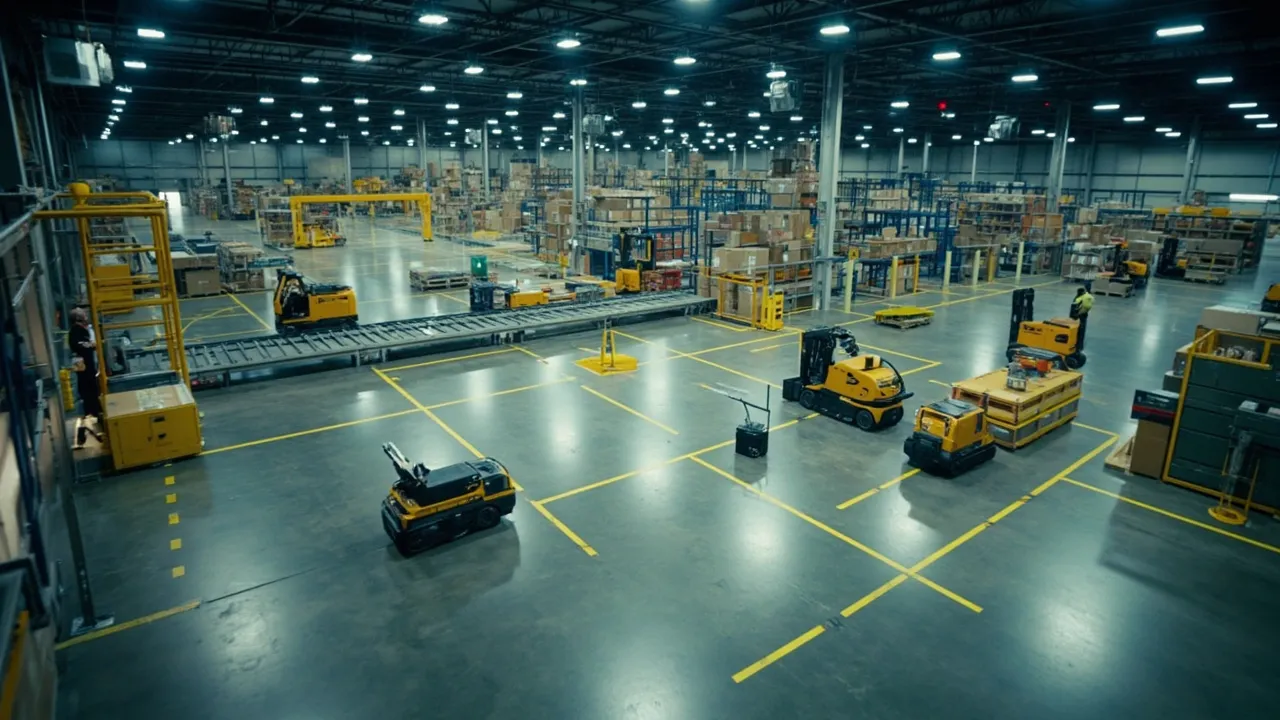
Automation is spreading across equipment categories. The 2026 Automation Study reports that 49% of respondents use conveyor and sortation systems, 48% use goods-to-person picking, and 43% use weighing, cubing, and dimensioning equipment. Meanwhile, 59% plan to expand or improve pocket sortation, and 57% expect to add or upgrade dimensioning systems.
Those figures measure adoption and intent. They do not prove that a facility can sustain rated throughput on its busiest shift. Reliable operating capacity depends on less visible resources: technicians trained on the installed equipment, critical spares onsite, remote software support, preventive maintenance windows, diagnostic access, and a rehearsed recovery process.
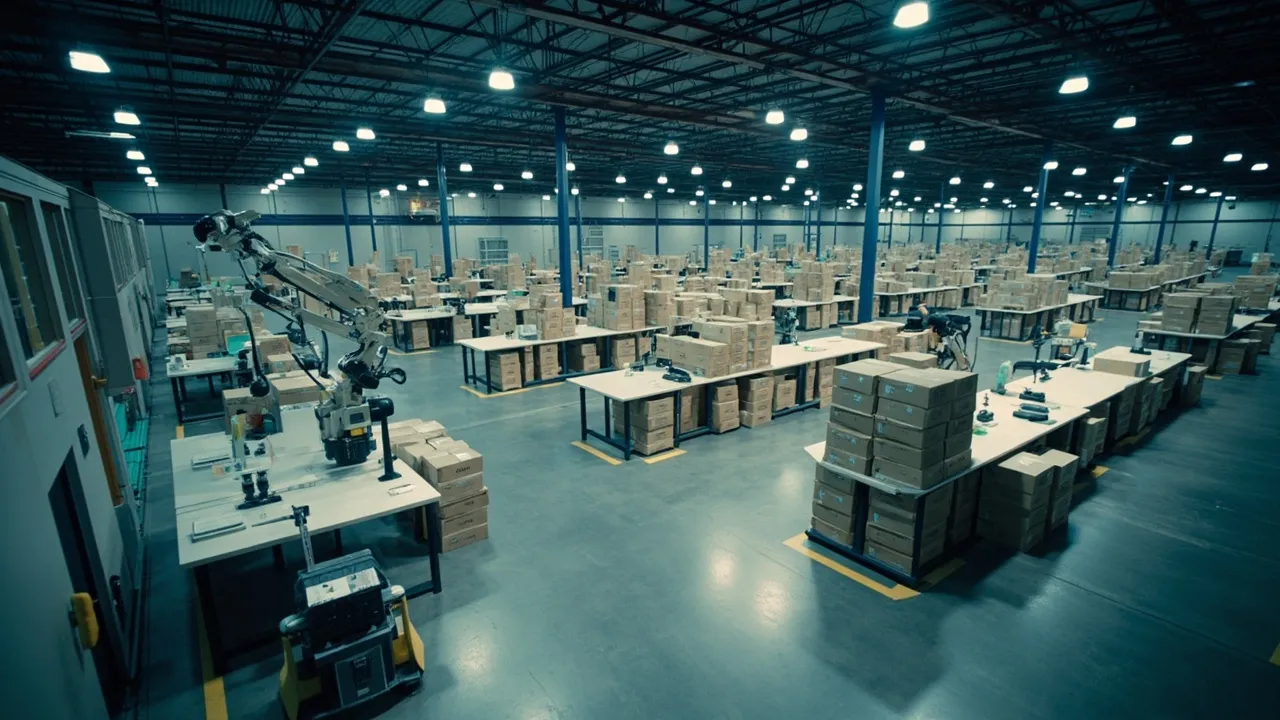
That distinction matters because automated processes are interconnected. A failed sensor can stop a conveyor zone; a control-system problem can strand several work cells; an interface error can prevent otherwise healthy equipment from receiving work. The business case should therefore model recoverable throughput, not merely the vendor's maximum design rate.
Put Technician Coverage in the Capital Plan
Technical labor is already constrained. Modern Materials Handling's 2026 MRO Survey found that 51% of respondents estimated a current shortfall of one to five supply chain automation technicians, while another 20% reported a gap of six to 25. Finding technicians with the right skills was the leading hiring and retention challenge, cited by 52% of respondents.
Before approving equipment, map coverage by shift and skill—not just total headcount. Identify who can diagnose mechanical, electrical, controls, network, and software failures. Specify escalation paths for nights, weekends, holidays, and seasonal surges. If an OEM or integrator supplies coverage, the contract should state response and restoration targets, geographic coverage, remote-access requirements, and escalation contacts.
Training also needs a funded runway. The MRO survey found that 81% believe certified technicians are better prepared to repair and maintain automated systems. Require knowledge transfer before acceptance, include refresher training after software or equipment changes, and cross-train enough employees that one absence does not create a single point of failure.
Treat Spare Parts as Availability Insurance
A service promise is weak if a needed component is several days away. Build a critical-spares list using failure probability, lead time, obsolescence exposure, and operational consequence. High-consequence sensors, drives, controllers, scanners, batteries, belts, and proprietary modules may deserve onsite stock even when they fail infrequently.
For every critical part, document:
- The stocking location, reorder point, owner, and approved substitute
- Supplier lead time under normal and peak conditions
- Firmware or configuration requirements before installation
- Shelf-life, charging, or environmental storage requirements
- The process for replacing obsolete components
This is working capital, but it is also downtime protection. Compare carrying cost with the contribution margin, penalties, labor disruption, and expedited freight exposure created by each hour of lost throughput.
Fund Software Support and Preventive Maintenance
Modern automation is a software stack as much as a machine. The 2026 study found that 49% of respondents use warehouse control systems, 38% use warehouse execution systems, and half use computerized maintenance management systems. A support plan must cover interfaces among the WMS, WES, WCS, programmable controllers, robotics platforms, and transportation systems—not just mechanical repairs.
Assign ownership for patches, backups, access credentials, licenses, cybersecurity reviews, and configuration recovery. Define which vendor leads an incident when the equipment is functioning but work instructions are not flowing. Otherwise, multiple suppliers can each declare their component healthy while the operation remains stopped.
Preventive maintenance must also be reflected in capacity planning. Reserve maintenance windows, labor, tools, and inspection time before calculating sellable throughput. Deferring planned work to protect today's output often converts a manageable service window into an uncontrolled outage during tomorrow's peak.
Stress-Test Recovery Before Peak
An SLA on paper is not a recovery capability. Test the service model under realistic conditions before final acceptance and again before peak season. Simulate a failed controller, unavailable technician, depleted spare, lost network connection, and two simultaneous equipment faults.
Measure detection time, diagnosis time, technician arrival, part retrieval, repair, restart, and backlog clearance separately. Mean time to repair alone can hide the hours spent waiting for access, expertise, or inventory. Set a recovery-time objective for each critical process and verify that the operation can meet it on every shift.
The fallback should be equally specific. Decide which orders receive priority, what volume can move through manual or alternate paths, how labor will be reassigned, and when transportation plans must change. CXTMS can help operations teams connect warehouse exceptions with shipment priorities, carrier commitments, and customer delivery requirements so a facility disruption does not become a series of unmanaged transportation failures.
Make Service Readiness a Capital Gate
Automation approval should require a named lifecycle owner, funded maintenance plan, critical-spares strategy, software support matrix, measurable SLA, tested recovery procedure, and capacity-backed fallback. Include these costs in total cost of ownership and these constraints in the ROI model.
Equipment creates theoretical capacity. Service readiness converts it into dependable throughput. Before signing the purchase order, budget the capability that will keep the system productive for years—not merely the machinery that makes opening day impressive.
Ready to coordinate warehouse exceptions with transportation execution? Request a CXTMS demo and see how one operational view can keep freight plans aligned when fulfillment conditions change.