Walmart’s $400 Million Texas DC Needs a Store-Flow Readiness Model

A $400 million distribution center is not ready when the building is finished. It is ready when inventory can enter, move through the operation, and reach stores at the promised rate without destabilizing the rest of the network.
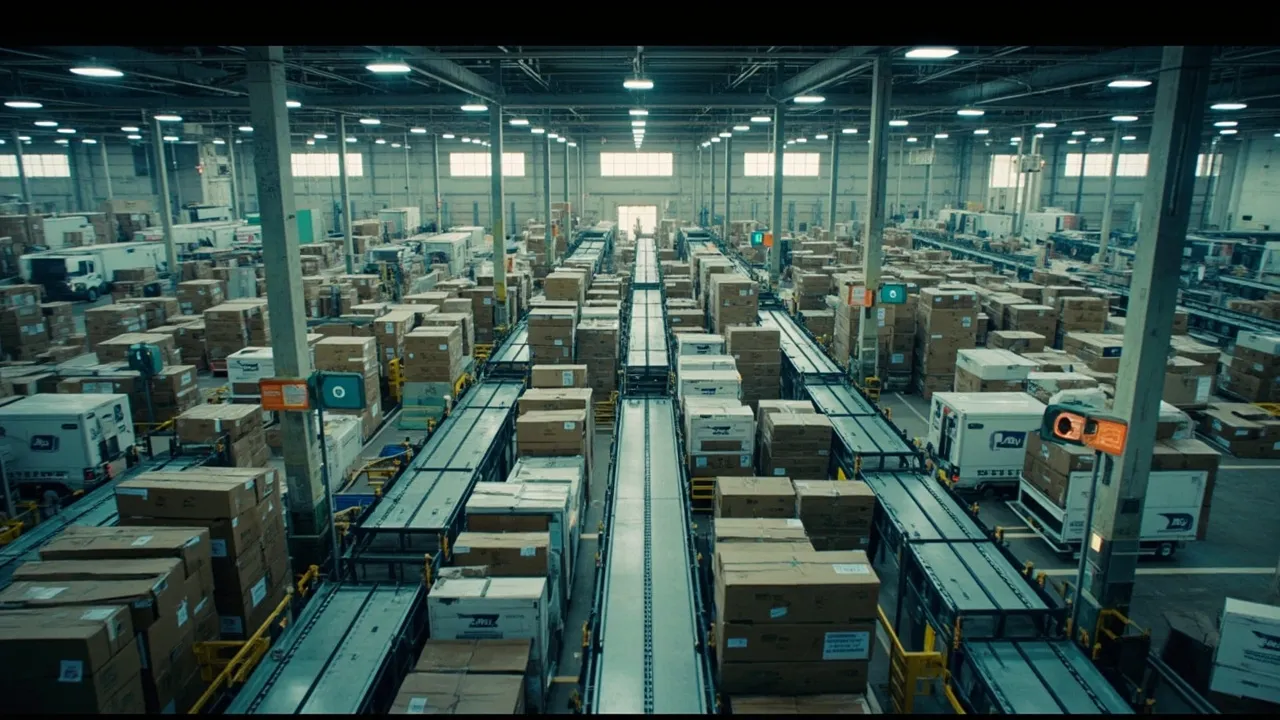
That distinction matters for Walmart's planned facility in Cibolo, Texas. According to Supply Chain Dive, the project is expected to span 744,433 square feet. The scale makes the site an important piece of infrastructure, but square footage and capital spending do not determine whether stores receive the right cases on time.
The more useful question is whether the entire store-flow system will be ready on launch day.
Treat the DC as a network decision
A new retail DC changes more than warehouse capacity. It redraws supplier routes, store service territories, carrier commitments, trailer requirements, labor demand, and inventory ownership across multiple nodes.
Before shifting volume, planners should model store demand at the day-SKU level and compare it with the proposed site's receiving, storage, picking, staging, and dispatch capacity. Average weekly volume is not enough. A facility that performs well on an average Tuesday can still fail during a promotion, holiday build, weather disruption, or seasonal reset.
The readiness model should connect five capacity layers:
- supplier and import flows feeding the building;
- labor availability by shift and skill;
- power, data, automation, and material-handling uptime;
- outbound carrier, tractor, trailer, and driver capacity; and
- store receiving windows and unloading constraints.
Every layer needs a tested limit. If inbound appointments rise faster than putaway capacity, dock congestion follows. If automated case output exceeds outbound staging capacity, productivity inside the building simply moves the bottleneck to the yard.
Phase inventory by operational risk
Commissioning a facility with the full SKU catalog creates unnecessary risk. Inventory should enter in waves based on velocity, handling characteristics, shelf-life requirements, cube, and store criticality.
Stable, high-volume case families can validate the core flow first. Fragile products, awkward dimensions, promotional assortments, regulated goods, and slow-moving items can follow once controls are proven. Each wave should have an entry gate, expected throughput, error tolerance, and rollback plan.
Automation acceptance also needs to use production-like conditions. Empty-system demonstrations do not reveal how equipment behaves when cartons are damaged, barcodes are obscured, pallets arrive late, inventory records conflict, or order priorities change mid-shift.
That testing is especially relevant because the Cibolo project sits within a much larger transformation. Modern Materials Handling reports that Walmart and Symbotic are expanding automation across 25 U.S. regional distribution centers. Separately, Supply Chain Dive reported in February that 23 of Walmart's 42 U.S. regional DCs were being retrofitted, with an eventual goal of upgrading all locations.
The opportunity is substantial: Walmart has said its technology can double cases processed per hour versus a traditional regional DC. But a theoretical throughput gain only becomes store value when receiving, yard, transport, and store operations can absorb it.
Establish launch gates that stores can feel
The go-live scorecard should prioritize end-to-end service rather than isolated warehouse metrics. Four gates are essential.
Fill rate: Measure complete, accurate fulfillment by store, department, and order cycle. A network-wide average can hide severe gaps at a subset of stores.
Dock velocity: Track appointment adherence, dwell time, unload time, door utilization, and staged-load aging. These measures expose whether inventory is actually flowing or merely accumulating.
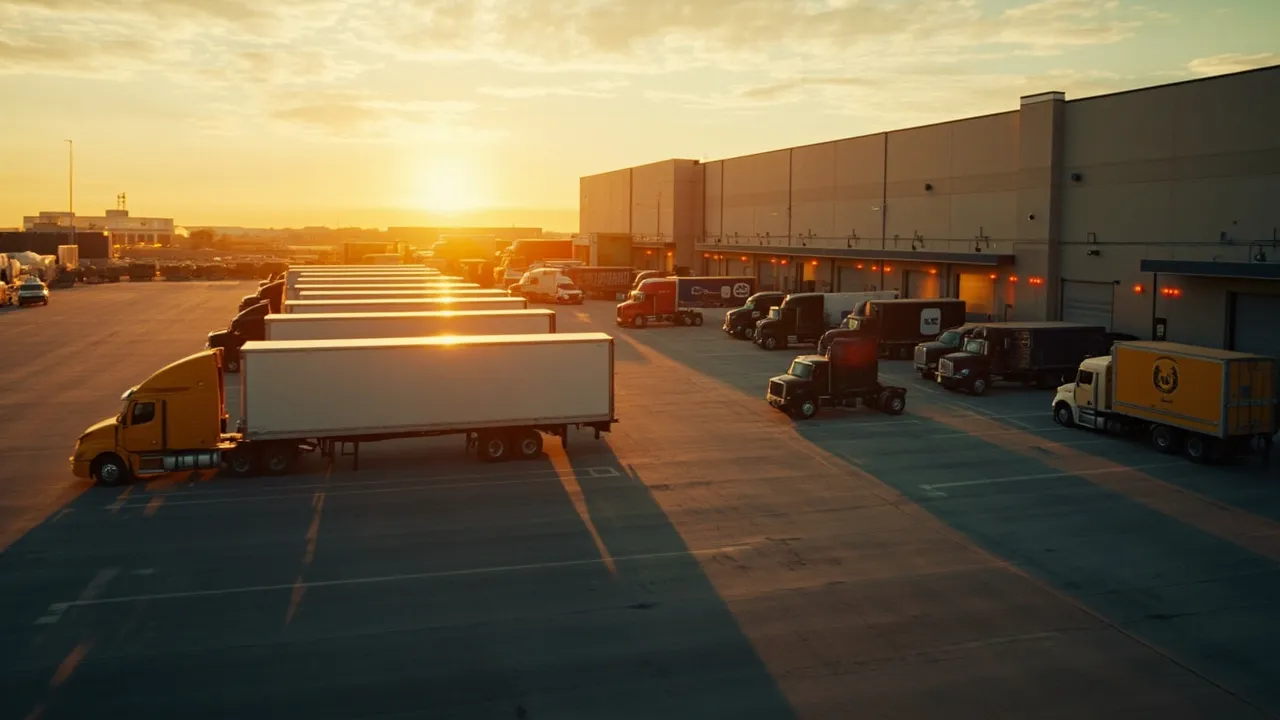
Trailer availability: Confirm trailer pools for inbound drops, outbound dispatch, peak days, and recovery operations. A highly automated building can still stop because it has nowhere to load the next shipment.
Fallback capacity: Define which existing nodes can take orders if the new DC misses a service threshold. The plan must specify available capacity, inventory access, transportation lead time, decision owners, and the trigger for activating each node.
Launch gates should be binary enough to force decisions. For example, a volume wave does not advance unless fill rate remains above its threshold for several consecutive cycles, critical automation faults stay below tolerance, outbound dwell remains controlled, and fallback nodes retain reserved capacity.
Build one control view across the launch
The commissioning team needs a shared view of orders, inventory, appointments, shipments, equipment events, labor, and store receipts. Without it, each function can appear healthy while the total flow degrades.
A transportation management system helps connect the building to the network around it. Planners can align inbound appointments with supplier loads, reserve outbound capacity, monitor tender acceptance, identify dwell, and compare planned store arrival with actual milestones. Exceptions should be ranked by store and inventory impact, not simply by which alert arrived first.
The control process also needs a fixed operating rhythm. During early waves, cross-functional teams should review the prior shift, identify constraints, assign corrective actions, and decide whether the next volume increase is safe. A single accountable launch leader should own the advance, hold, or rollback decision.
Capital investment needs operational proof
Walmart's Texas investment is a strong signal about the continuing importance of physical retail distribution. Yet the project's real value will not be measured by construction completion. It will be measured in dependable store replenishment, inventory availability, lower handling friction, and faster recovery when conditions depart from plan.
For any retailer opening or modernizing a DC, the lesson is clear: commission the network, not just the building. Phase inventory deliberately, test automation under real constraints, protect fallback capacity, and require evidence at every launch gate.
CXTMS gives logistics teams a unified way to plan transportation, manage capacity, monitor milestones, and act on exceptions during complex network changes. Request a CXTMS demo to see how stronger transportation control can support your next distribution-center launch.