Tuxpan’s Short-Sea Links Put Mexico–U.S. Freight on a Four-Day Ocean Clock

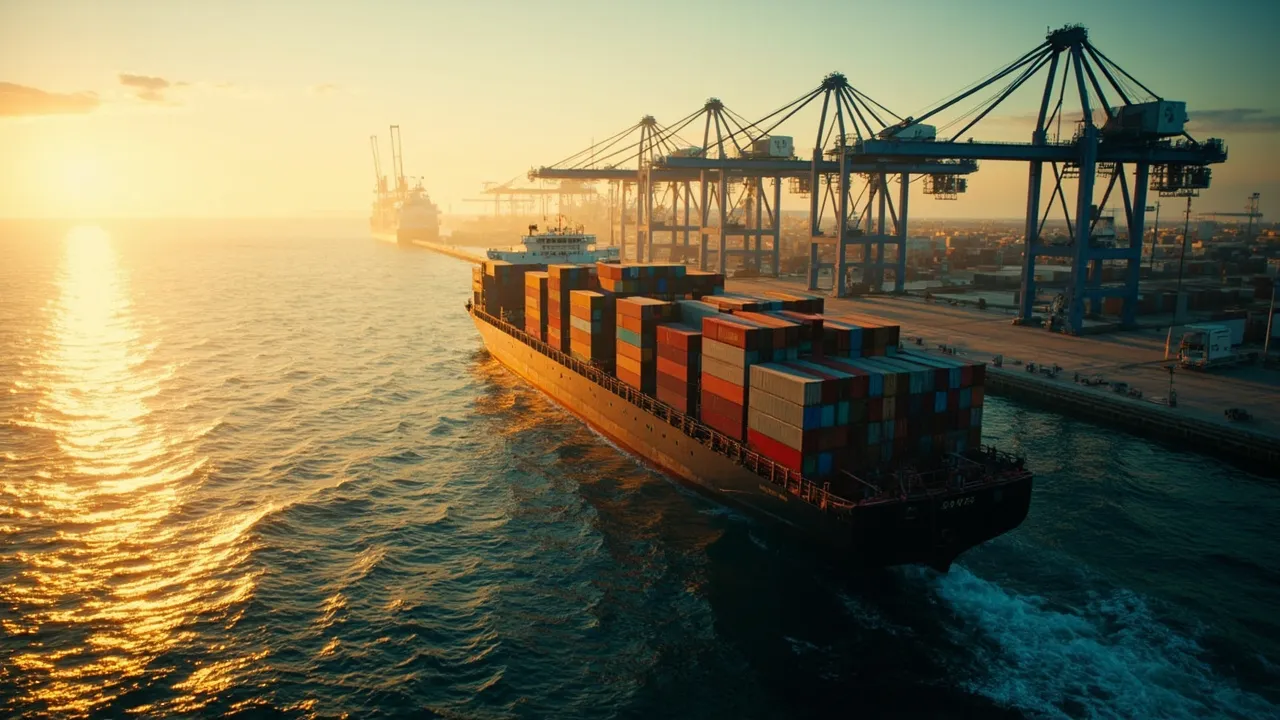
For Mexico–U.S. freight, the fastest line on a map usually runs north by truck. The most dependable supply chain, however, is not always the one with the fewest theoretical transit hours. Border queues, trailer handoffs, customs inspections, driver capacity, security events, and tariff-driven shipping surges can turn an apparently simple road move into a chain of uncertain milestones.
That is why new short-sea links from Tuxpan deserve attention. According to FreightWaves, company materials put ocean transit from the Gulf Coast port at about four days to Port Canaveral and six days to Philadelphia. The service is also expected to move from biweekly to weekly frequency during the second half of 2026.
Short-sea shipping will not replace cross-border trucking. It does create a practical second lane for freight whose destination, inventory profile, and handling requirements fit the ocean clock.
Four days at sea is only part of the lead time
A four-day port-to-port promise is compelling, but planners should resist comparing it directly with a truck’s linehaul estimate. The correct comparison begins when cargo is ready at origin and ends when it is available at the destination facility.
For the ocean option, that includes the dray from a factory or distribution center to Tuxpan, terminal cutoff, export processing, vessel departure, sailing time, import release, discharge, and final drayage. For trucking, it includes origin pickup, the northbound linehaul, Mexican export and U.S. import procedures, possible trailer or driver exchanges, inspection queues, and delivery.
The difference is variability. Road freight may win decisively on a clean run, especially from northern Mexico to Texas or the Midwest. Yet border conditions can change quickly. Reuters reported in 2023 that disruption left more than $1.5 billion in goods stalled in Mexico. In 2025, Reuters also found that cross-border trucking rates jumped as companies accelerated cargo before tariff deadlines. These episodes do not make ocean service immune to disruption, but they show the value of avoiding a single gateway and mode.
Weekly frequency changes the inventory calculation
Frequency matters as much as vessel speed. A biweekly sailing can impose nearly 14 days of schedule penalty on freight that misses a cutoff. That makes the service difficult for products with tight replenishment windows, even when the voyage itself takes only four days.
A weekly schedule cuts the maximum scheduled wait roughly in half. More importantly, it lets planners establish a repeatable booking rhythm: consolidate orders during the week, deliver against a known terminal cutoff, and replenish U.S. inventory on a predictable cadence. The change can reduce the amount of safety stock required solely to cover the long gap between departures.
Weekly service also makes recovery more manageable. A rolled container or production delay still hurts, but the next planned departure is seven days away rather than fourteen. Shippers can reserve truck capacity for urgent exceptions instead of treating every shipment as a road move by default.
The operating discipline is critical. Purchase orders, export documents, container availability, and dray appointments must be ready before cutoff. A missed vessel is not a minor late pickup; it changes the entire replenishment cycle.
The best mode depends on the lane and the product
Short-sea service is strongest where geography supports it. Tuxpan offers Gulf access for production in central and eastern Mexico, while Port Canaveral can serve Florida and parts of the Southeast. Philadelphia adds an entry point for the Mid-Atlantic and Northeast. A shipper moving freight from central Mexico to an East Coast destination may avoid both a long northbound Mexican haul and a long U.S. domestic truck leg.
Truck remains the logical choice for time-critical shipments, low-volume orders that cannot wait for consolidation, and destinations close to land gateways. Ocean becomes more attractive for steady container-scale flows, heavy freight, products with a few days of lead-time flexibility, and shippers seeking resilience against border disruption.
Cargo characteristics also matter. Extra terminal handling can increase exposure for fragile products, while temperature-controlled or hazardous goods require confirmation that equipment, terminal processes, and vessel acceptance align. High-value freight needs security controls across both dray legs and any terminal dwell.
Inbound Logistics identifies regulatory differences, customs complexity, infrastructure constraints, capacity shortages, and congestion among the recurring challenges in U.S.–Mexico cross-border trade. Moving by sea changes those handoffs; it does not eliminate them.
Use a door-to-door mode comparison
Transportation teams should evaluate each candidate lane with the same framework:
- Total elapsed time: Measure ready-to-ship through delivery, including cutoff wait and dwell—not just sailing or driving hours.
- Schedule reliability: Compare actual on-time performance and transit spread, not only the published average.
- Customs handoffs: Map who files each document, where inspections occur, and when cargo becomes available.
- All-in cost: Include drayage, terminal charges, documentation, brokerage, chassis or equipment costs, detention, and inventory carrying cost.
- Disruption exposure: Identify reliance on land bridges, ports, vessel schedules, drivers, and individual border crossings.
- Recovery options: Define the cost and time required to switch a shipment to truck, use another sailing, or reroute through a different gateway.
The result should not be a permanent declaration that one mode wins. It should be a routing rule. For example, stable replenishment orders with at least a defined buffer can move via Tuxpan, while line-down components retain an expedited truck path. That approach turns modal choice into a controlled operating policy.
Visibility must bridge ocean and road events
A short-sea move combines at least three transportation segments: origin drayage, ocean carriage, and destination drayage. If each provider reports through a separate portal or email thread, planners lose the very predictability they are trying to gain.
A transportation management system should connect booking confirmation, terminal cutoff, gate-in, customs status, vessel departure and arrival, container discharge, availability, pickup, and final delivery to one shipment record. Exception alerts should focus on decisions: a container likely to miss cutoff, a customs document still incomplete, or destination free time approaching without a dray appointment.
The four-day ocean clock is therefore not simply a faster sailing claim. It is an opportunity to redesign selected Mexico–U.S. lanes around predictable weekly capacity, diversified gateways, and explicit exception rules. Shippers that measure the complete door-to-door journey can determine where Tuxpan adds resilience—and where the truck should keep the load.
Ready to compare modes and manage cross-border exceptions in one workflow? Request a CXTMS demo to see how shipment planning, milestones, and carrier coordination can work together.