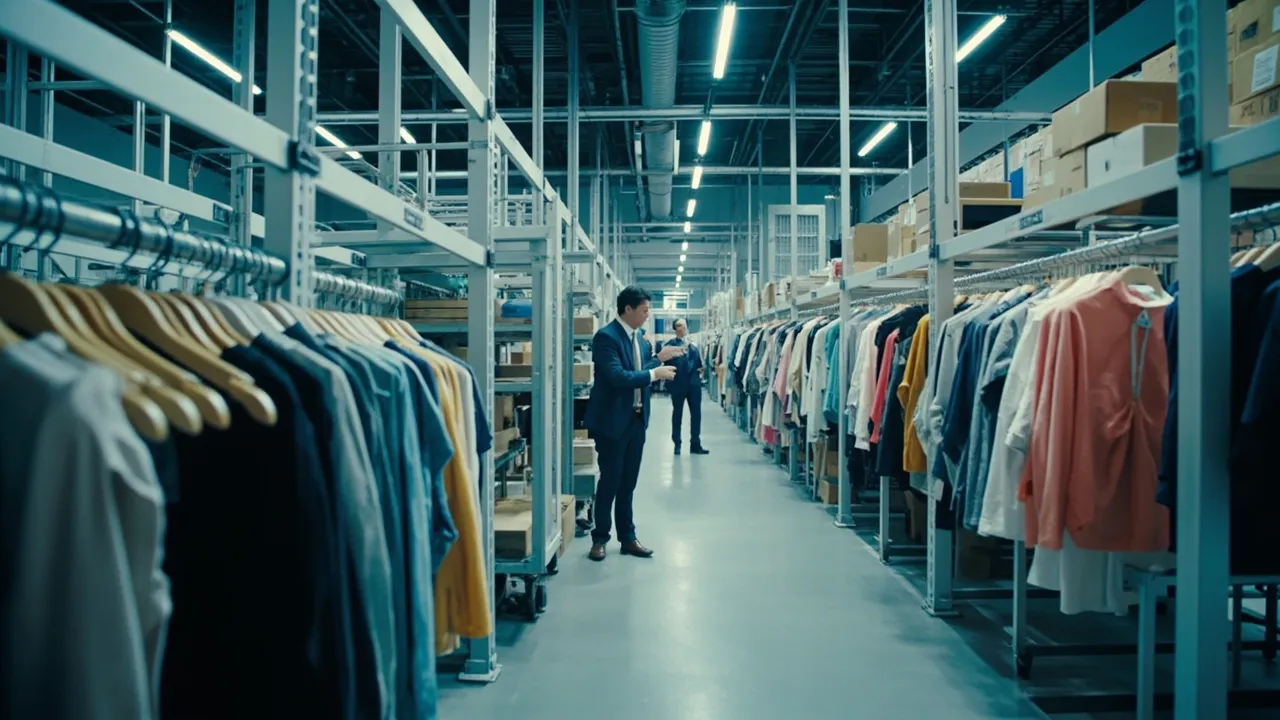
Temporary Racking for Global Events Needs a Reverse-Logistics Design on Day One

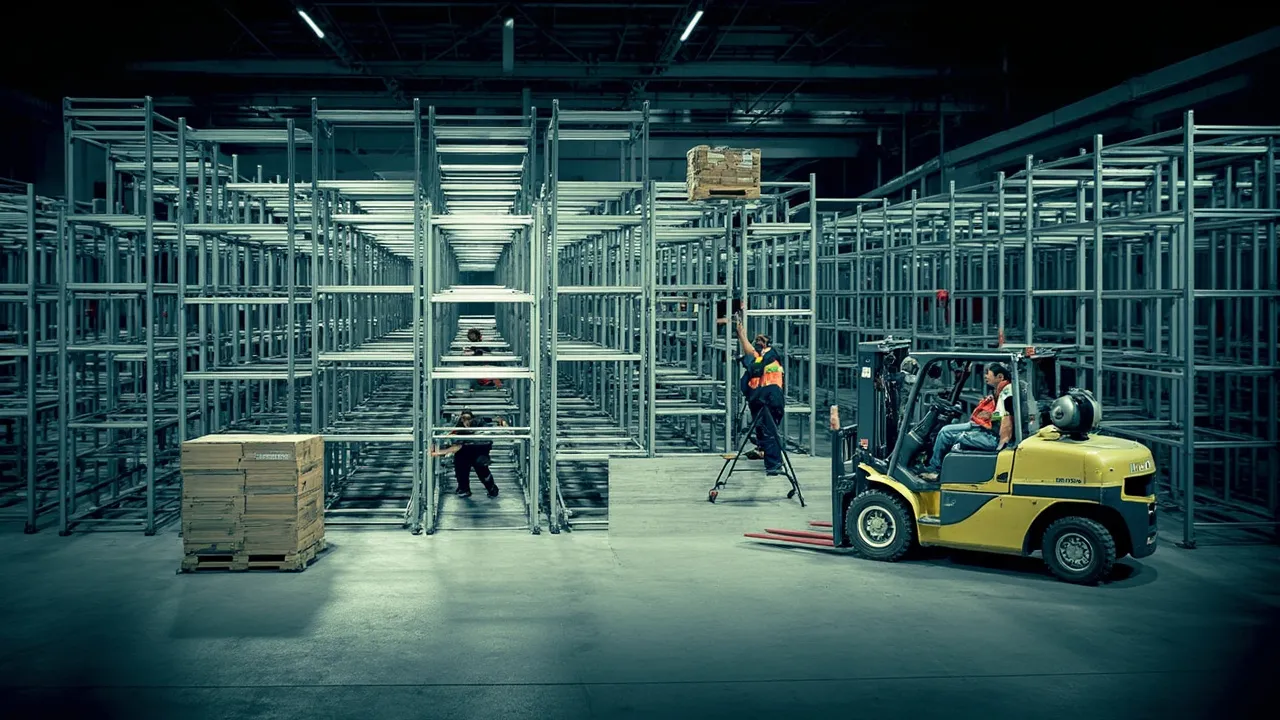
Temporary racking built for a global sporting event, exposition, or festival may operate for only a few weeks. Its logistics lifecycle is much longer. Uprights, beams, decking, guards, anchors, and handling equipment must arrive in a tightly controlled sequence, pass inspection, support the event, and then leave through venue gates that are already crowded with contractors.
Treating the installation as a one-way construction project creates an expensive blind spot. The return network should be designed before the first component ships.
The stakes are growing as event organizers rely more heavily on temporary infrastructure. Reuters reported that Paris promised 95% of its Olympic venues would be existing or temporary, while Milan-Cortina later said 93% of its venues would fall into those categories. That approach reduces permanent construction, but it shifts more work into time-sensitive deployment, asset control, teardown, and recovery.
The alternative is costly. Reuters noted that the 2014 Sochi Winter Games cost about $51 billion, amid wider concerns about expensive facilities with limited post-event use. Reusable storage infrastructure helps avoid that outcome only when organizers can find it, inspect it, and route it to the next productive location.
Build the Return Plan Into the Deployment Plan
Event logistics teams naturally focus on opening day. They count backward from the operating deadline, reserve inbound delivery slots, and sequence installers around venue access. Yet every decision made during deployment affects recovery.
Start with a serialized bill of materials. Each rack bay—or, for higher control, each upright frame, beam pair, deck, guard, and accessory—should have an asset ID tied to its design position. Record the manufacturer, rated configuration, dimensions, finish, owner, inbound shipment, installation zone, and planned destination after the event.
Then define the reverse path alongside the forward path:
- Which crew is authorized to dismantle each zone?
- Where will loose components be counted and consolidated?
- What packaging or stillage is required for safe transport?
- Which defects require quarantine rather than return?
- Which depot can inspect, repair, store, or reallocate the equipment?
- What is the latest venue-exit appointment for every load?
If those answers do not exist before delivery, teardown becomes an improvised cleanout rather than a controlled logistics operation.
Sequence Installation Around Real Constraints
Temporary venues combine warehouse risks with event-site constraints. Access windows may be short. Security checks can slow vehicles. Several contractors may need the same loading door, lift, or floor area. Finished surfaces can restrict anchoring and material-handling routes.
Divide the inbound plan into installation-ready kits by venue, zone, aisle, and work shift. A kit should contain every compatible component required for the assigned section, plus its drawings and inspection criteria. Shipping all uprights first and all beams later might simplify origin loading, but it can leave installers waiting while staging areas fill with unusable inventory.
Milestone tracking should cover dispatch, gate appointment, arrival, unloading, zone staging, assembly, anchoring, load-sign installation, and acceptance. A missing beam or delayed inspection is then visible as an exception against a specific zone—not buried in a total component count.
Safety cannot be compressed to recover schedule. MHI's Rack Manufacturers Institute says proper installation at the start and continuing inspections are key to workplace safety and effective rack use. Temporary does not mean exempt from engineered configuration, load limits, installation requirements, or documented acceptance.
Make Teardown a Controlled Handoff
The worst time to design a reverse flow is the morning after closing. Venue owners want space cleared, exhibitors are packing, carriers are arriving, and contractors are competing for doors. Without predetermined priorities, components can be mixed, damaged, or loaded before counts are reconciled.
Release teardown by zone only after an authorized person confirms that inventory has been removed and the structure is safe to dismantle. Scan components as they leave their installed positions, then scan them into a consolidation area and outbound load. That chain of custody identifies where shortages occurred and prevents one contractor's equipment from being returned to another owner.
Outbound appointments should be planned as carefully as inbound appointments. Match load sequence to the receiving depot's capacity, not merely the venue's desire to clear floor space. Otherwise, congestion is exported to a yard that lacks labor, inspection space, or covered storage.
Grade Damage Before Choosing a Destination
Every recovered component needs a disposition, not simply a return address. A practical grading model can separate assets into four groups:
- Ready for reuse: complete, clean, and accepted for the next compatible installation.
- Refurbishment required: repairable or needing cleaning, coating, or replacement hardware.
- Engineering review: bent, impacted, corroded, or otherwise questionable components held from service.
- Recycle or dispose: items that cannot be safely or economically recovered.
Capture photographs, defect codes, inspector identity, and the disposition decision against the serial record. The grade should determine the next node: another event, a rental pool, a refurbishment center, a quarantine area, or an approved recycling stream.
This is the core of reverse logistics: value recovery, repair, redistribution, and end-of-life processing. Inbound Logistics describes asset recovery and refurbishment as processes that software can streamline. For event racking, that digital record also protects safety by keeping damaged equipment out of the available pool.
Measure Recovery, Not Just Venue Clearance
A venue can be empty while the project still loses money. Measure the percentage of serialized assets recovered, first-pass inspection yield, damage rate by zone and contractor, time from dismantling to disposition, transport utilization, refurbishment cycle time, and percentage returned to service.
Those measures expose whether reusable infrastructure is actually being reused. They also improve the next event's design: recurring damage in one component type may justify better guards, different stillage, revised lift routes, or installer training.
Use CXTMS to Keep the Lifecycle Connected
CXTMS can connect each asset group to inbound loads, gate appointments, installation milestones, teardown releases, outbound shipments, inspection results, and final disposition. Exception alerts can flag missing components, late arrivals, unapproved configuration changes, overdue inspections, or recovered assets without a destination.
The result is one operational record from deployment through reuse. Organizers can clear the venue on schedule without losing sight of who owns each component, whether it remains safe, and where it creates value next.
Temporary racking should be temporary in place, not temporary in accountability. Design the reverse network on day one, and the final truck leaving the venue becomes the start of the asset's next useful assignment—not the end of the audit trail.
Planning reusable infrastructure across multiple venues and return depots? Request a CXTMS demo to see how one workflow can control deployment, teardown, inspection, and recovery.