Tanker Cyber Failures Need a Navigation-to-Cargo Continuity Record

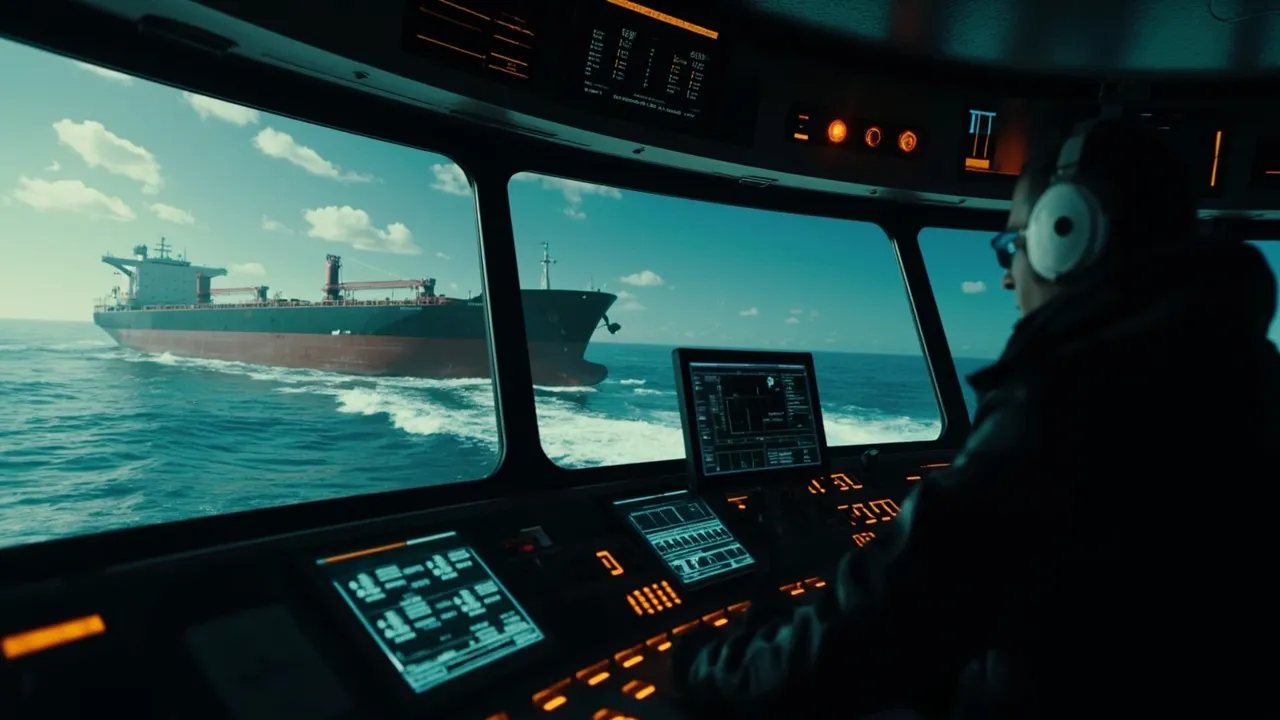
A cyber incident aboard a tanker is not one operational problem. It can affect navigation, propulsion, communications, cargo control, and commercial data in different ways—and at different times. Treating all of those impacts as a single red, amber, or green status hides the decisions that matter most: Can the ship proceed safely? Is the cargo stable? Must the vessel divert? What should the customer be told?
Recent events make that distinction urgent. SupplyChainBrain reported that the LNG tanker Vivit Africa, carrying cargo loaded at Louisiana's Cameron LNG terminal, experienced problems near its destination in early September. The Italian Coast Guard said the master reported a malfunction in systems used to monitor cargo parameters, requiring company technicians. Crew members suspected a cyberattack, although suspicion is not the same as a confirmed cause.
That incident followed late-August investigations involving two oil and gas tankers off the U.S. coast. In one case, Coast Guard specialists boarded the VL Prosperity for what the agency called a comprehensive cybersecurity boarding and investigation. Together, the cases show why operators need a continuity record that links technical evidence to vessel operations, cargo condition, and delivery consequences without waiting for perfect attribution.
Replace One Severity Label With Five Operational Views
An incident commander needs to separate the affected domains before assigning actions.
- Navigation: Are GPS, AIS, ECDIS, radar, gyrocompass, and position inputs available, consistent, and trustworthy? Reuters previously documented significant weaknesses in GPS, AIS, and ECDIS, and reported a Black Sea event in which more than 20 vessels experienced apparent GPS disruption.
- Propulsion and machinery: Can propulsion, steering, power generation, and machinery alarms be monitored and controlled locally? A compromised office network does not automatically make propulsion unsafe, but loss of trustworthy machinery data can.
- Communications: Which satellite, radio, email, and shore connections still work? Record whether a channel is unavailable, merely untrusted, or intentionally isolated.
- Cargo control: Are tank pressure, temperature, level, boil-off, valve position, inert gas, and alarm functions visible and reliable? On an LNG or product tanker, this domain can determine whether the vessel can wait, proceed, or discharge.
- Commercial data: Can teams still access bills of lading, charter instructions, terminal slots, customer contacts, and customs records? Losing paperwork may not threaten immediate vessel safety, but it can stop cargo release and create substantial delay.
Each domain should have its own status, evidence, operational consequence, decision owner, and next review time. This prevents a healthy bridge system from masking a cargo-control failure—or an isolated email compromise from triggering an unnecessary emergency response.
Define Safe State and Manual Fallback Before an Incident
Operators should document a safe state for each system rather than improvise under pressure. For navigation, that may mean reducing speed, increasing the bridge team, comparing independent position sources, and moving to paper charts or terrestrial aids where available. For propulsion, it may mean local control and additional engineering watches. For communications, it may require an approved alternate channel and known shore contacts.
Cargo control needs particularly explicit thresholds. The response plan should state which parameters can be read locally, which controls can be operated manually, how frequently readings must be logged, and when uncertainty itself requires anchoring, diversion, technical assistance, or emergency action. A manual fallback is only real if trained crew can execute it with current procedures and working equipment.
Reporting triggers also belong in the playbook. SupplyChainBrain noted that, under the U.S. Coast Guard's cybersecurity rule, reportable cyber incidents have had to be reported to the National Response Center since July 16, 2025. Regulatory notification should run alongside—not replace—safety, technical, insurer, charterer, terminal, and customer communications.
Build a Time-Stamped Continuity Record
The continuity record should begin at the first abnormal observation, not after investigators confirm malware. Every entry should capture:
- Coordinated timestamp and vessel position
- System, device, software, and network segment involved
- What the crew observed and which alarms appeared
- Data source and confidence level
- Safety and cargo implications at that moment
- Action taken, authority approving it, and expected review time
- Evidence preserved, including logs, screenshots, configuration data, and communications
- Commercial consequence, such as changed ETA, missed berth, diversion, or cargo hold
This is more than an IT incident log. Suppose tank-temperature values freeze while navigation remains normal. The record should connect the technical symptom to manual gauge readings, refrigeration or boil-off status, the master's decision to slow or divert, the revised terminal window, and the customer notification. That chain lets investigators reconstruct the event and lets operations explain what happened to the cargo.
Use disciplined language. “Cargo monitoring unavailable at 14:10 UTC” is a fact. “Cyberattack caused the outage” is a hypothesis until supported. Record both, label them correctly, and note what evidence would confirm or reject the hypothesis. This protects decision quality when information is incomplete and reduces the risk of spreading an early assumption as established cause.
Tie Customer Updates to Operational Thresholds
Customers do not need raw forensic speculation. They need verified consequences and decision times. Define notification thresholds in advance: loss of cargo-condition visibility beyond a set interval, an ETA change beyond tolerance, diversion, a missed terminal slot, a customs-data interruption, or any credible cargo-quality concern.
Each update should state what is known, what remains uncertain, what controls are active, the current cargo assessment, the delivery impact, and when the next update will arrive. That cadence matters. Silence encourages customers to build their own worst-case narrative, while premature technical claims can create legal and insurance complications.
A transportation management system can preserve the commercial side of this chain by linking shipment milestones, documents, customer commitments, exceptions, and notifications to the vessel incident timeline. It should not replace the ship's safety-management or forensic systems; it should ensure that technical disruption produces controlled logistics decisions instead of disconnected emails and spreadsheets.
Continuity Is the Real Measure of Readiness
Cyber readiness is not proved by preventing every intrusion. It is proved by maintaining safe operations, protecting the cargo, preserving evidence, and communicating defensible delivery consequences when systems become unreliable.
A navigation-to-cargo continuity record gives tanker operators one chronology across bridge, engine room, cargo control, shore IT, terminals, and customers. That shared evidence helps teams make the next safe decision before they know the final cause.
Make maritime exceptions traceable from first alert to customer outcome. Request a CXTMS demo to see how centralized shipment records, milestone visibility, and exception workflows support operational continuity.
Sources
- Another Tanker Suffers Failure as Crew Suspect Cyber Attack — SupplyChainBrain
- U.S. Coast Guard and FBI Conduct Cyberattack Probes on Tankers — SupplyChainBrain
- New U.S. Coast Guard Cybersecurity Rule Enters into Force — SupplyChainBrain
- Cyber Threats Prompt Return of Radio for Ship Navigation — Reuters