Resilience
49 posts tagged with “Resilience”
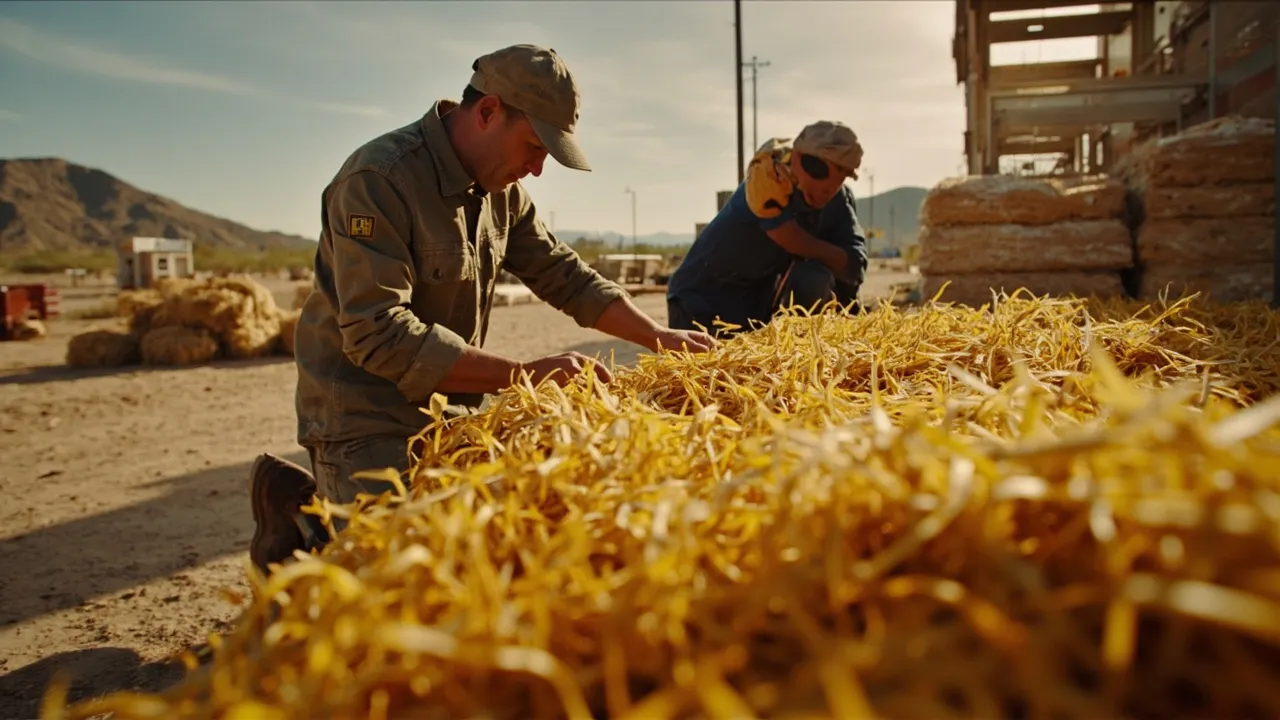
Kimberly-Clark’s Alternative Fiber Pilot: A New Model for Raw-Material Resilience
Kimberly-Clark’s Yuma hesperaloe pilot shows how manufacturers can qualify alternative raw materials while controlling cost, quality, logistics, and chain-of-custody risk.
 CXTMS InsightsAugust 22, 2026 · 6 min read
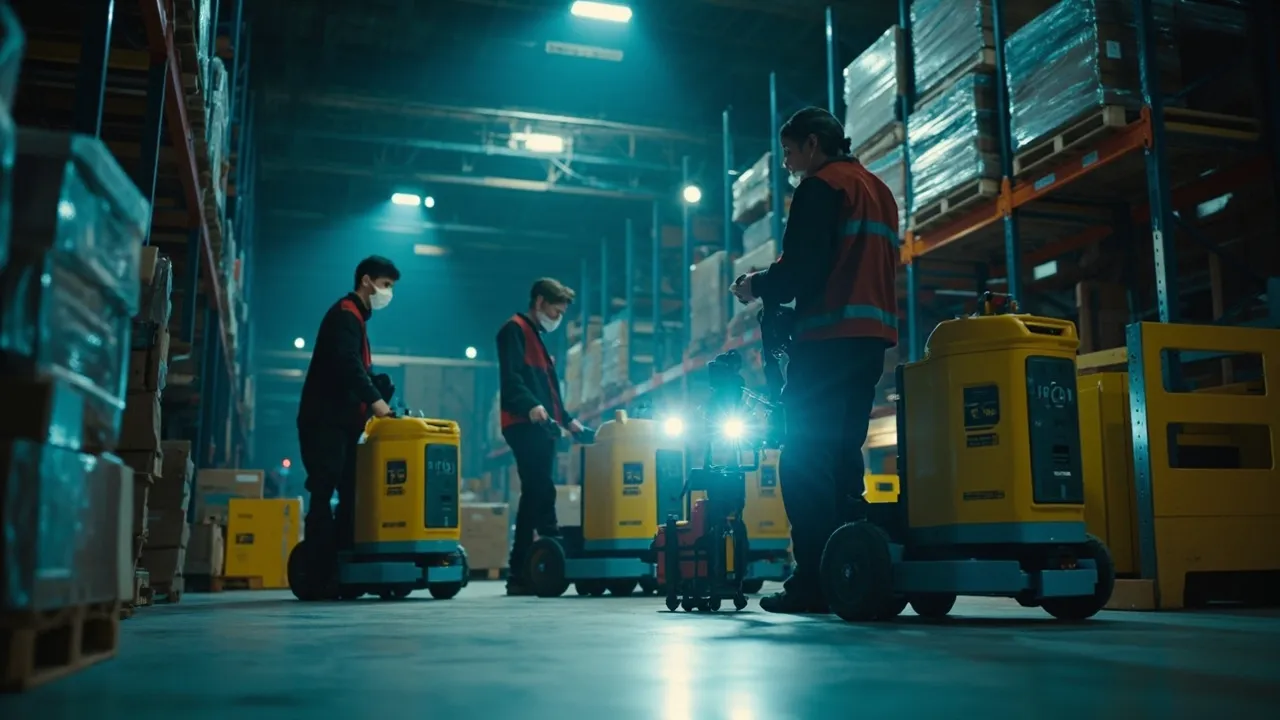
Warehouse Technology Selection Needs a Disruption Recovery Test
Warehouse technology buyers should test degraded operations, recovery time, data reconciliation, and vendor response before selecting automation or software.
CXTMS InsightsAugust 20, 2026 · 6 min read
Critical Supplier Failure: Build a Product-Level Exposure Graph Before the Next Alert
Turn supplier-risk alerts into product-level action by linking sites, parts, orders, shipments, finished goods, and accountable response teams.
CXTMS InsightsAugust 18, 2026 · 6 min read
GM's $4.5 Billion Safety Fund: Turning Critical-Parts Reserves Into Release Rules
GM's proposed $4.5 billion supply disruption fund shows why manufacturers need explicit release rules linking resilience spending to parts, plants, shipments, and service outcomes.
CXTMS InsightsAugust 18, 2026 · 6 min read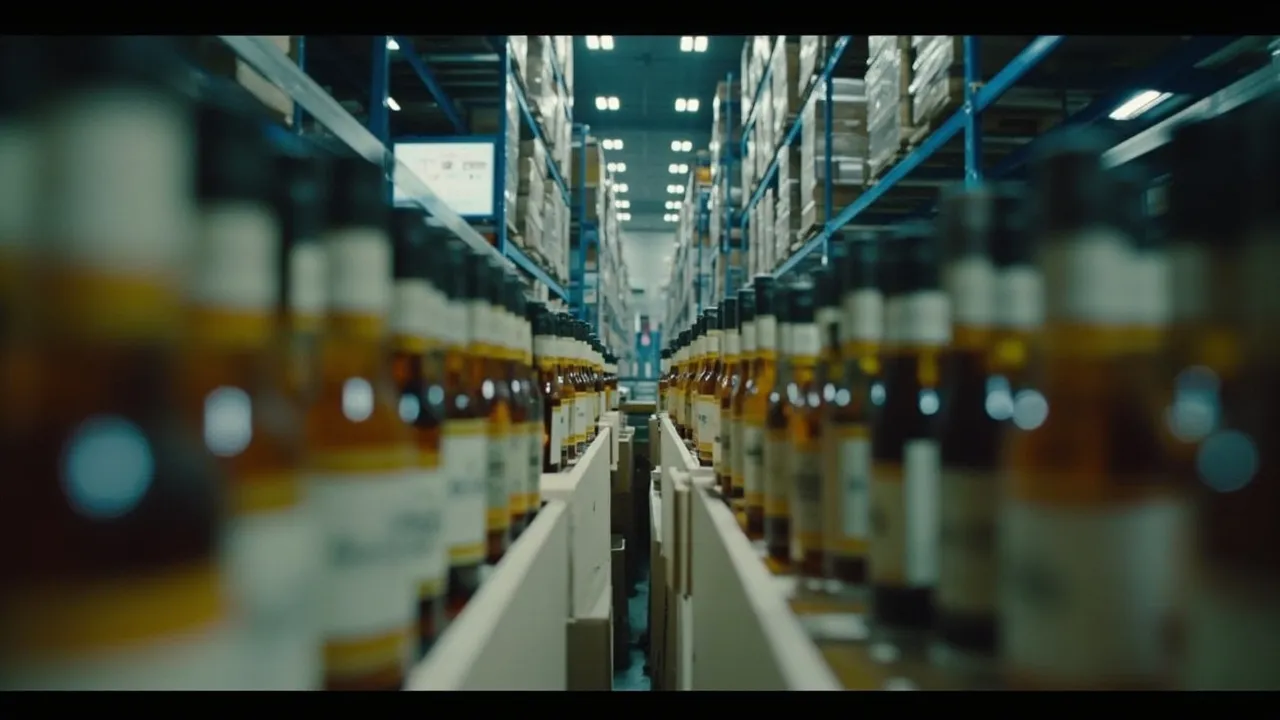
Suntory's High-Spirits Logistics: Designing Beverage Networks for Reconfiguration
A practical framework for reconfiguring spirits logistics around bonded inventory, packaging constraints, alternate routes, and demand volatility.
CXTMS InsightsAugust 13, 2026 · 5 min read
Japan's Kyushu Earthquake Shows Auto and Chip Supply Chains Need a Restart Sequence
Kyushu's earthquake disrupted automotive and semiconductor operations, showing why factories need a synchronized supply chain restart sequence.
CXTMS InsightsAugust 2, 2026 · 5 min read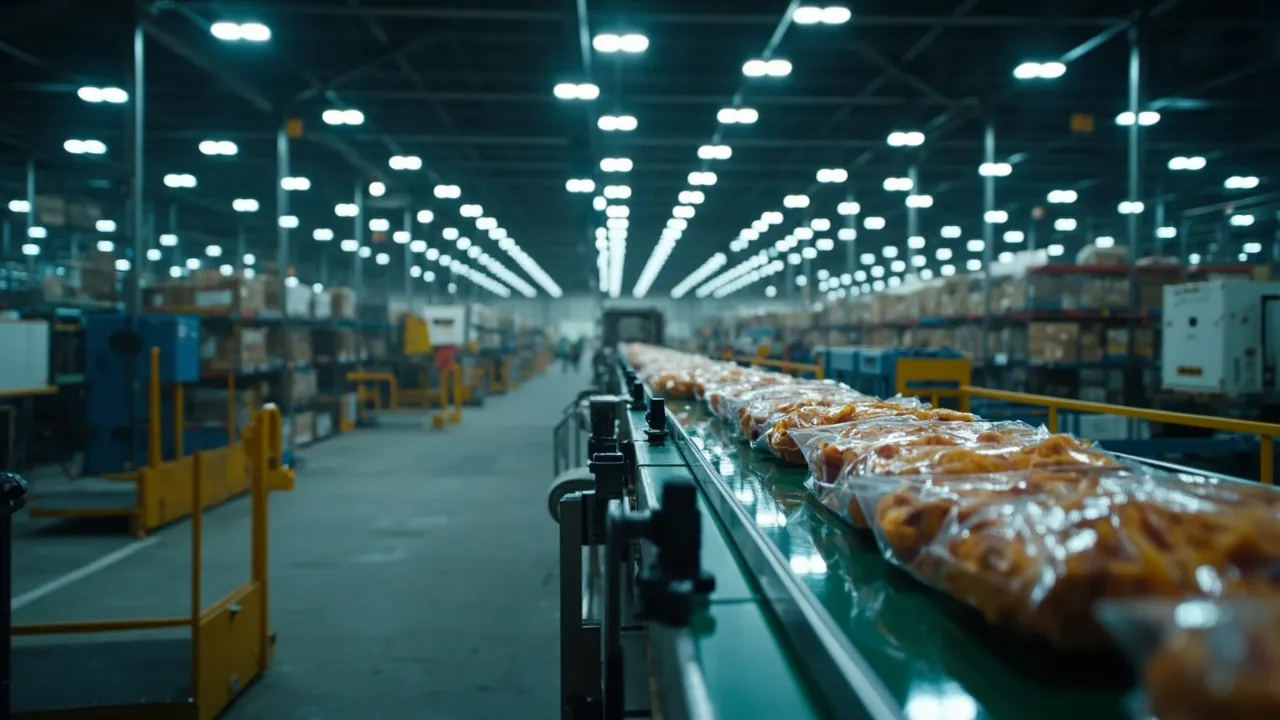
Conagra’s $125 Million Resilience Plan Needs Operational Gates, Not One Big Capex Number
Conagra’s $125 million supply chain investment can deliver resilience if capital is released against measurable capacity, reliability, inventory, and service outcomes.
CXTMS InsightsJuly 28, 2026 · 6 min read
Tropical Storm Bertha Shows Slow-Moving Weather Needs Shipment-Level Flood Triggers
Tropical Storm Bertha shows why freight teams need lane, facility, and appointment-level flood triggers instead of broad regional weather alerts.
CXTMS InsightsJuly 23, 2026 · 5 min read
Manufacturing Resilience Depends on Freight Rules Hidden Inside Supplier Decisions
Manufacturing resilience breaks down when supplier changes do not carry the freight rules needed to move parts, protect plant schedules, and control logistics risk.
CXTMS InsightsJuly 12, 2026 · 6 min read
Automation Does Not Make Supply Chains Fragile. Bad Integration Does.
Supply chain automation only improves resilience when alerts, escalation paths, ownership, and freight execution workflows are integrated.
CXTMS InsightsJune 4, 2026 · 7 min read