Network Design
63 posts tagged with “Network Design”
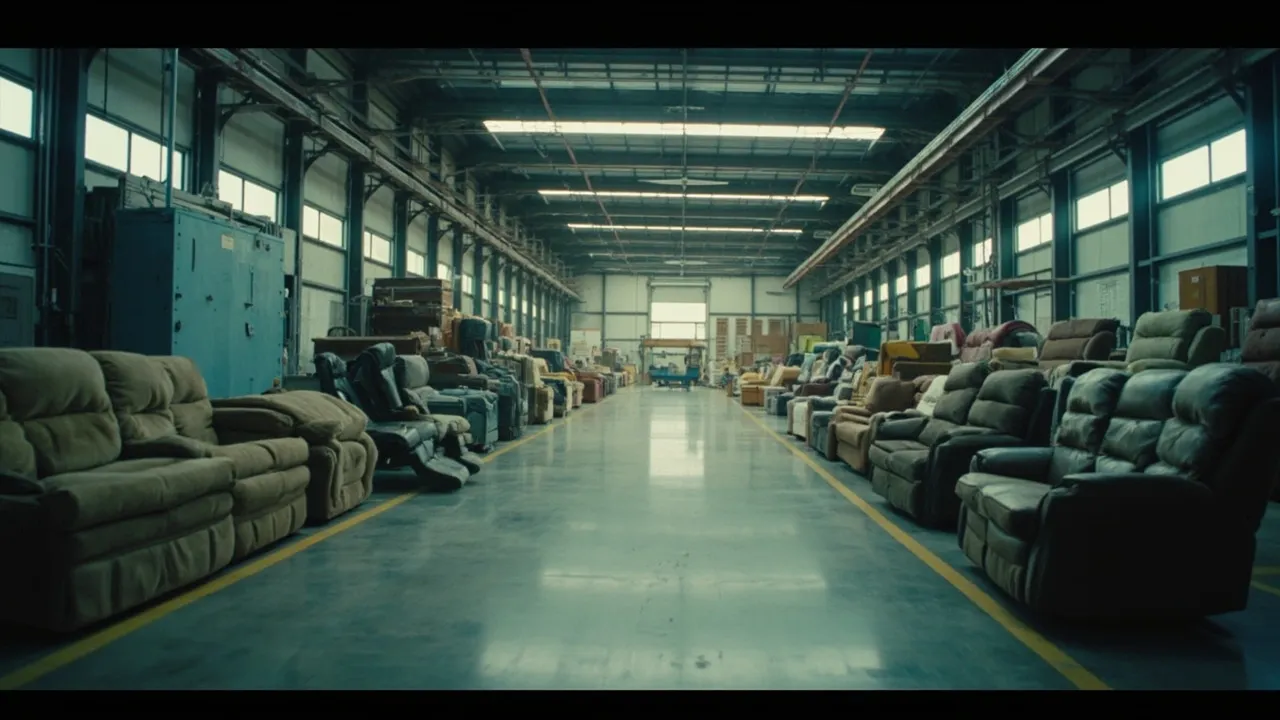
La-Z-Boy's $23M Expansion: Designing a Furniture Distribution Hub Around Bulky Freight
La-Z-Boy's Missouri expansion shows how furniture networks can reduce miles and space while controlling cube, damage, appointments, and delivery promises.
 CXTMS InsightsSeptember 9, 2026 · 7 min read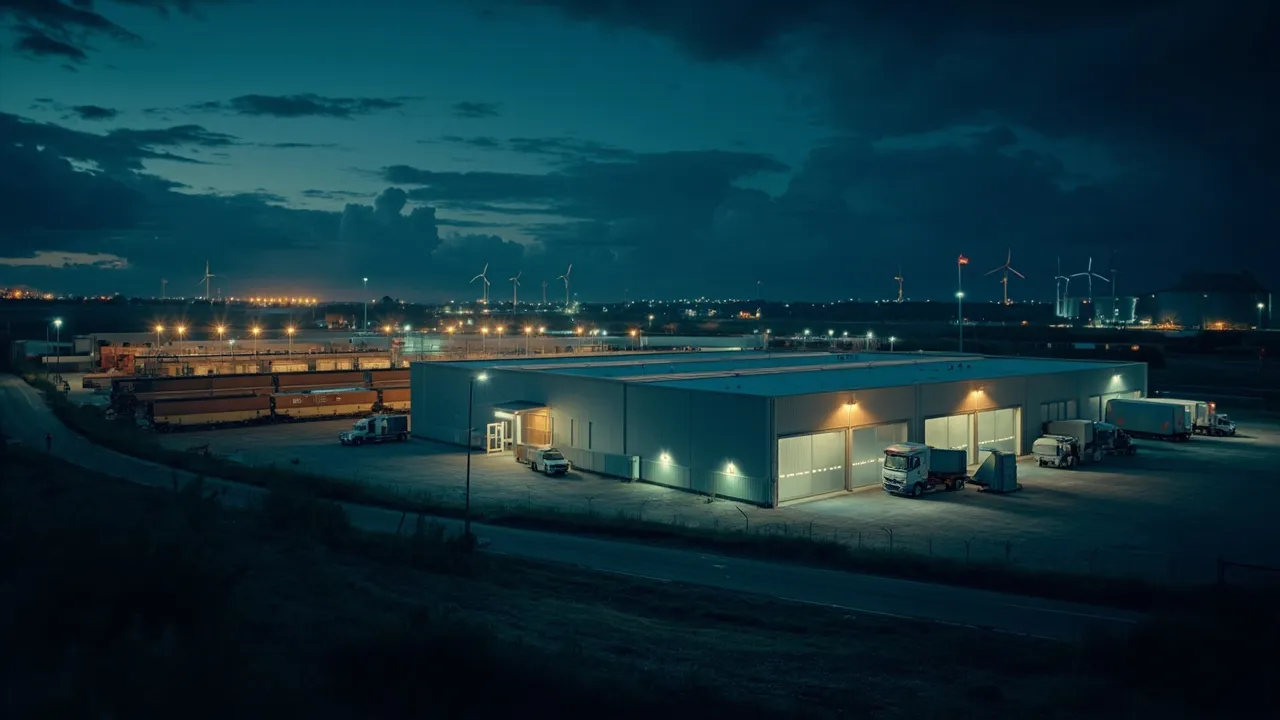
European Energy Costs Hit 42% of Companies: Put Margin Risk Into the Logistics Network Model
European energy volatility is now a logistics network risk. Learn how to model site exposure, relocation tradeoffs, and margin-protection triggers.
CXTMS InsightsSeptember 7, 2026 · 6 min read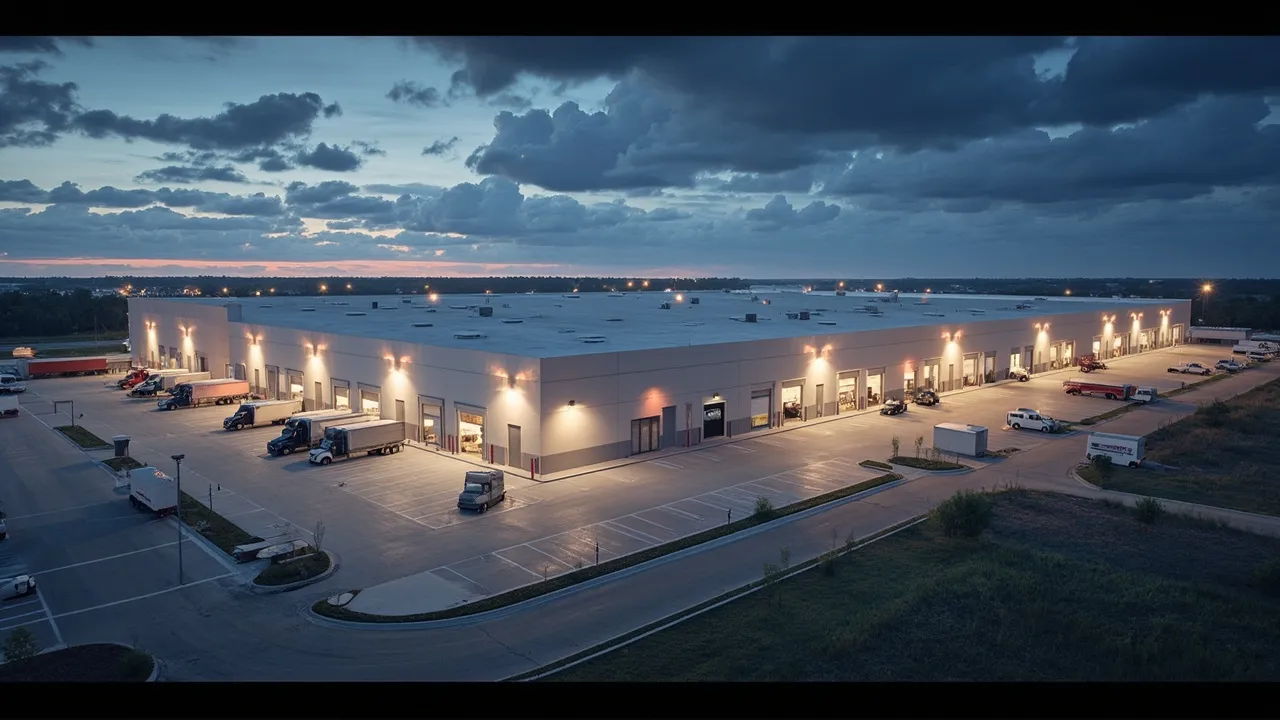
Averitt's 100,000-Square-Foot Jackson Facility: Test a New Node Before Moving Volume
A practical framework for testing Averitt's new Jackson, Mississippi, distribution node before reallocating inventory and freight volume.
CXTMS InsightsSeptember 4, 2026 · 6 min read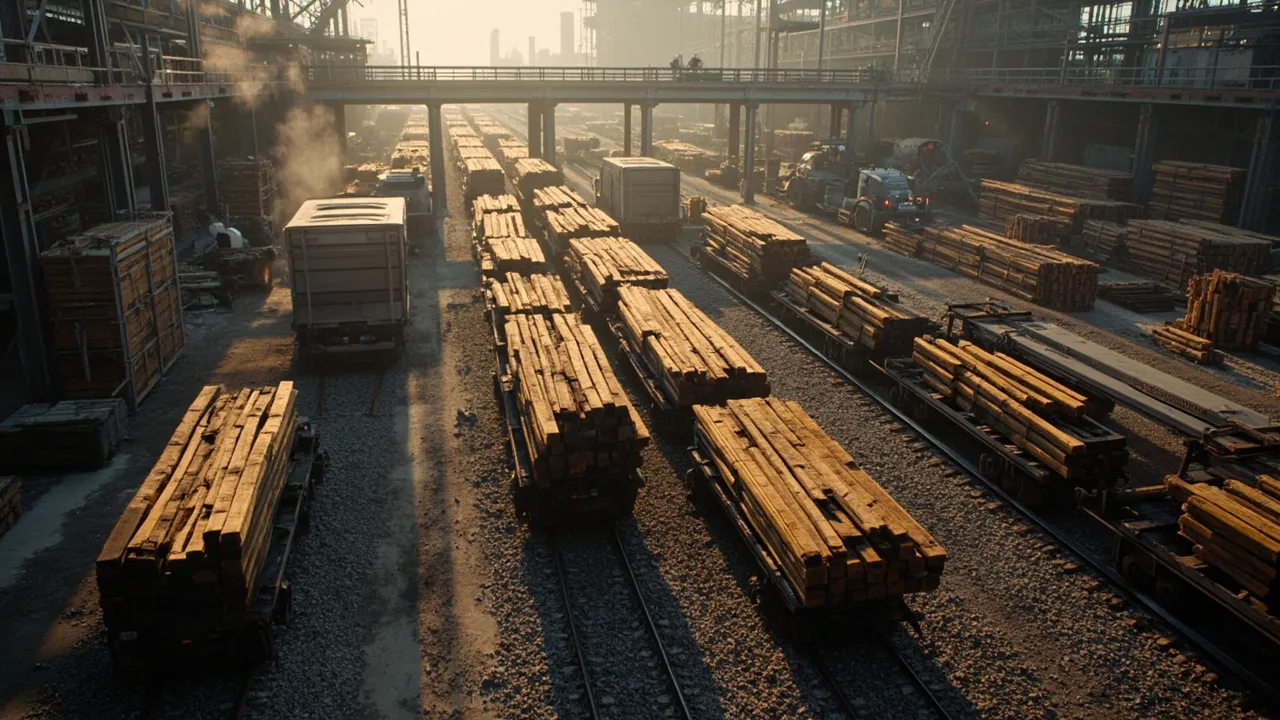
A $40 Million Lumber Expansion Puts On-Site Rail Back in the Plant-Location Model
A North Carolina lumber expansion shows why siding capacity, switching windows, shipment data, and fallback routes belong in every rail-served plant-location model.
CXTMS InsightsSeptember 3, 2026 · 6 min read
Boscov’s E-Commerce Fulfillment Reset: How to Measure a Store-and-DC Network Redesign
Boscov’s unified inventory initiative shows why retailers must measure fulfillment redesigns through order cycle time, split shipments, cost, and delivery outcomes.
CXTMS InsightsSeptember 2, 2026 · 5 min read
Walmart's $1.3 Billion Georgia Fulfillment Center: Planning the Inbound Capacity Ramp
A practical playbook for supplier, carrier, yard, dock, and inventory planning ahead of Walmart's new automated Georgia fulfillment center launch.
CXTMS InsightsSeptember 1, 2026 · 6 min read
Global, Domestic, or Hybrid Sourcing: Make the Network Decision With Landed-Risk Cost
Compare global, domestic, and hybrid sourcing with a landed-risk cost model that includes freight, duties, inventory, variability, concentration, and recovery.
CXTMS InsightsAugust 31, 2026 · 6 min read
Amazon’s Planned 1 Million-Square-Foot Connecticut DC Needs a Downstream Capacity Model
Amazon's proposed Norwich distribution center shows why large upstream facilities need downstream capacity gates for sortation, delivery, docks, inventory, and carriers.
CXTMS InsightsAugust 23, 2026 · 6 min read
Culver’s Inventory Pooling Strategy: Scaling Restaurant Logistics by 55 Locations a Year
See how inventory pooling, velocity-based replenishment, and expansion-readiness metrics can support Culver’s plan to add up to 55 restaurants annually.
CXTMS InsightsAugust 22, 2026 · 6 min read
Ford’s Lincoln Sourcing Shift Creates a Vehicle Supply Chain Cutover Problem
Ford’s planned shift away from China-built Lincoln models shows why automotive sourcing changes require VIN-level inventory, parts, and logistics controls.
CXTMS InsightsAugust 16, 2026 · 6 min read