Fleet Management
25 posts tagged with “Fleet Management”

The Heavy-Duty Truck Repair Technician Crisis: Why 54% of Shops Are Understaffed Despite 68% Revenue Growth
Fullbay's 2026 State of Heavy-Duty Repair report reveals a paradox shaping freight capacity: shops are posting record revenue while 54% can't find enough technicians. Here's what it means for shippers.
 CXTMS InsightsApril 2, 2026 · 7 min read
Cummins Forever Rising Tour: How Next-Gen Heavy-Duty Engine Platforms Are Reshaping Fleet Total Cost of Ownership
Cummins' Forever Rising Tour showcases 2027 X15, X15N, and X10 engines traveling nationwide through May 2026 — signaling a generational shift in heavy-duty powertrain economics that will reshape fleet TCO calculations.
CXTMS InsightsMarch 28, 2026 · 7 min read
Software-Defined Commercial Trucks Arrive: How Volvo's 10,000-Update-Per-Day OTA Program Is Transforming Fleet Performance
Volvo Trucks North America can now push 10,000 over-the-air software updates per day, cutting unplanned stops by 24%. Here's how software-defined trucks are reshaping fleet economics and what it means for carrier operations in 2026.
CXTMS InsightsMarch 26, 2026 · 7 min read
Biometric Authentication in Freight: How Identity Technology Is Securing Logistics Operations in 2026
Biometric authentication is transforming freight security in 2026 — from FMCSA's identity verification mandate to warehouse fingerprint access and fleet ignition locks. Here's how identity technology is fighting cargo theft, double brokering, and unauthorized access across the supply chain.
CXTMS InsightsMarch 23, 2026 · 7 min read
Fleet Telematics Interoperability: Why Open Sensor Platforms Are the Next Frontier in Connected Trucking
Fleet telematics data silos cost the trucking industry billions annually. Open sensor platforms and standardized APIs like NMFTA's OTAPI are breaking vendor lock-in and enabling unified fleet visibility across tire pressure, ELD, camera, and GPS systems.
CXTMS InsightsMarch 23, 2026 · 8 min read
LNG Trucking Gets a Second Look: Why $5 Diesel Is Driving Long-Haul Fleets Back to Natural Gas
With diesel surging past $5 per gallon in March 2026, long-haul fleets are taking a hard second look at LNG and CNG trucking. Here's why natural gas is becoming cost-competitive and what it means for fleet fuel strategy.
CXTMS InsightsMarch 23, 2026 · 7 min read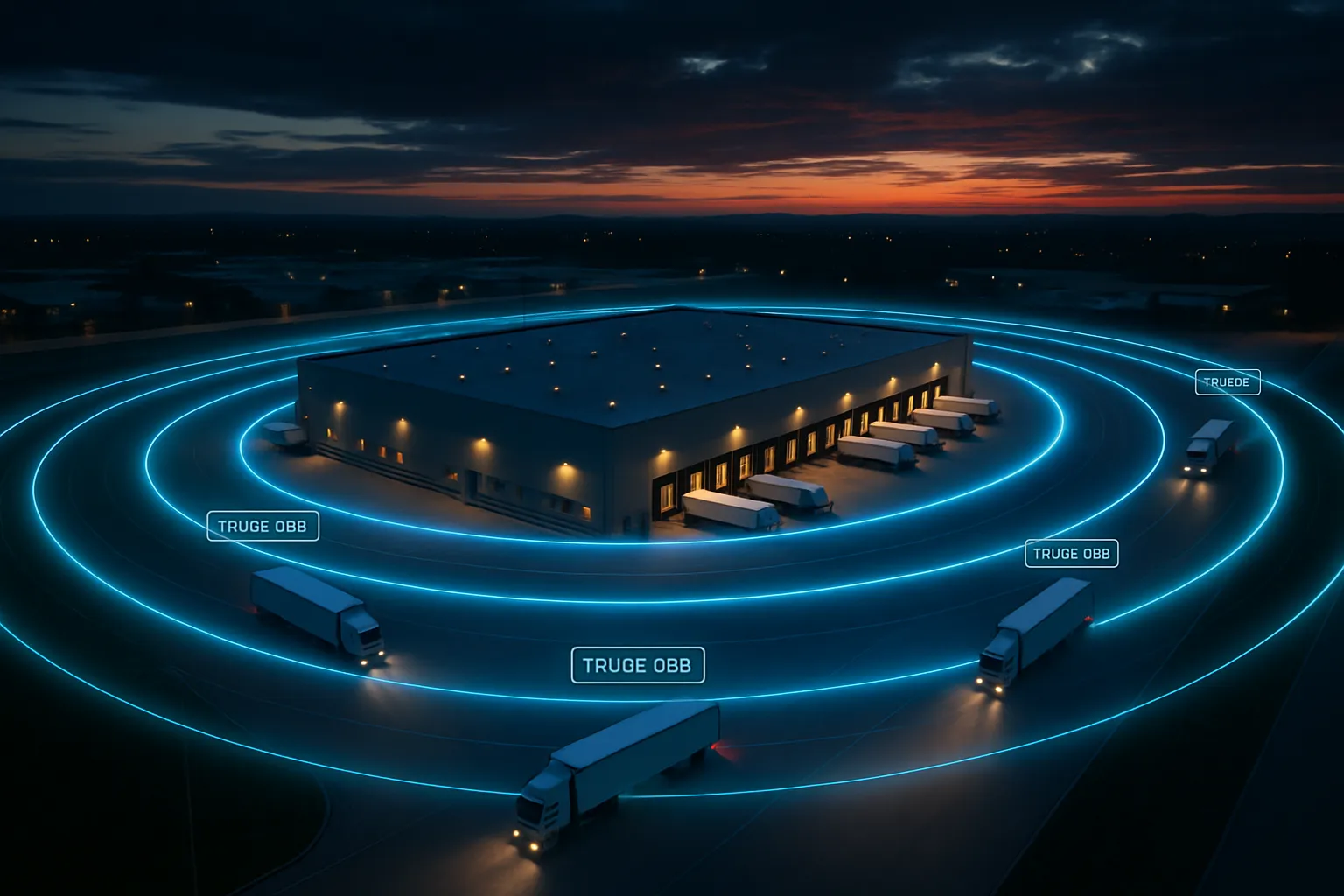
Geofencing Transforms Fleet Management: How Location-Based Automation Is Triggering Real-Time Logistics Workflows in 2026
Geofencing has evolved from simple GPS dots on a map to event-driven automation that triggers dock check-ins, detention clocks, and customer alerts the moment a truck crosses a virtual boundary. Here's how location-based automation is reshaping fleet management in 2026.
CXTMS InsightsMarch 16, 2026 · 8 min read
Chinese Electric Freight Trucks Storm Europe: How €250K EV Rigs With 35-Minute Charging Are Disrupting Continental Logistics Economics
Chinese electric truck manufacturers are entering Europe in 2026 with models priced 30% below incumbents, 670km range, and 35-minute charging—here's what it means for fleet operators and logistics economics.
CXTMS InsightsMarch 12, 2026 · 6 min read
The EPA'27 Pre-Buy Surge: Why Class 8 Truck Orders Are Spiking and How Fleet Replacement Cycles Reshape 2026-2027 Freight Capacity
February 2026 Class 8 truck orders surged 156-159% year-over-year as fleets race to beat EPA 2027 NOx emissions mandates. Here's what the pre-buy surge means for freight capacity, carrier costs, and shipper strategy.
CXTMS InsightsMarch 11, 2026 · 6 min read
Trailer Tracking Goes Smart: How IoT Asset Management Is Unlocking Hidden Fleet Capacity and Cutting Idle Time by 53%
Smart trailer tracking powered by IoT is transforming fleet management in 2026. With 53% of asset tracking adopters improving utilization, learn how GPS, sensors, and telematics are unlocking hidden capacity in the $32 billion asset tracking market.
CXTMS InsightsMarch 5, 2026 · 7 min read