Defense Logistics
8 posts tagged with “Defense Logistics”

U.S. Army Depot Logistics: What the FedEx Modernization Deal Teaches Industrial Shippers
The Army-FedEx logistics initiative offers industrial shippers a practical model for chain of custody, milestone ownership, exception escalation, and measurable pilots.
 CXTMS InsightsNovember 8, 2026 · 5 min read

Lockheed Martin's $300M Missile Expansion: Synchronize Defense Capacity From Construction to Inbound Supply
Lockheed Martin's $300 million expansion shows why defense manufacturers must synchronize construction, supplier qualification, secure inbound freight, and production ramp milestones.
CXTMS InsightsOctober 26, 2026 · 6 min read
Military Truck Scale Is a Supplier-Capacity Problem, Not Just a Production Target
Military truck programs need supplier-capacity evidence, configuration control, and transport milestones—not just ambitious final-assembly targets.
CXTMS InsightsOctober 6, 2026 · 6 min read
Lockheed's Domestic Minerals Search Turns Material Qualification Into a Logistics Lead Time
Lockheed Martin's search for domestic mineral sources shows why testing, traceability, approval, and ramp-up must be managed as one logistics lead time.
CXTMS InsightsAugust 7, 2026 · 6 min read
The $58.6 Billion Patriot Deal Turns Defense Logistics Into a Seven-Year Supplier-Capacity Test
The record PAC-3 agreement shows why defense programs need supplier, production, secure-transport, and chain-of-custody gates—not contract-value headlines.
CXTMS InsightsAugust 4, 2026 · 6 min read
Defense Logistics AI Needs Demand-Supply Alignment Before It Needs Another Dashboard
Defense logistics AI will not improve readiness if demand signals, allocation decisions, inventory, and transportation execution still move at different speeds.
CXTMS InsightsJune 16, 2026 · 7 min read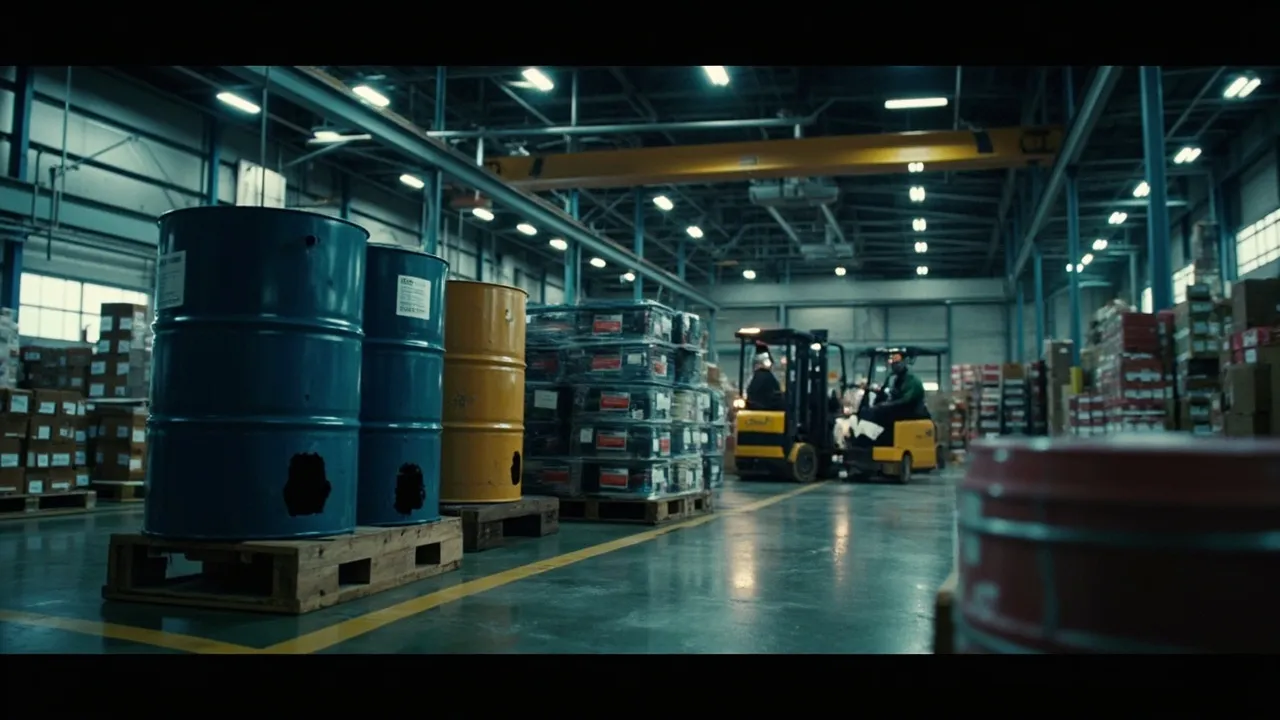
Defense Logistics at Scale: What a $2.3 Billion ChemPOL Contract Reveals About Chemical and Oil Supply Chain Discipline
A new $2.3 billion Defense Logistics Agency ChemPOL contract shows what disciplined chemical and packaged petroleum logistics really looks like, and why commercial shippers should copy more of it.
CXTMS InsightsApril 14, 2026 · 6 min read
Defense Logistics Goes AI: How Military Supply Chains Are Pioneering Technology That Will Transform Commercial Freight
The Defense Logistics Agency is using AI to push supply forecasting from 60% to 85% accuracy. Here's how military logistics innovations are creating a blueprint for commercial freight operations.
CXTMS InsightsMarch 1, 2026 · 6 min read