Carrier Strategy
19 posts tagged with “Carrier Strategy”
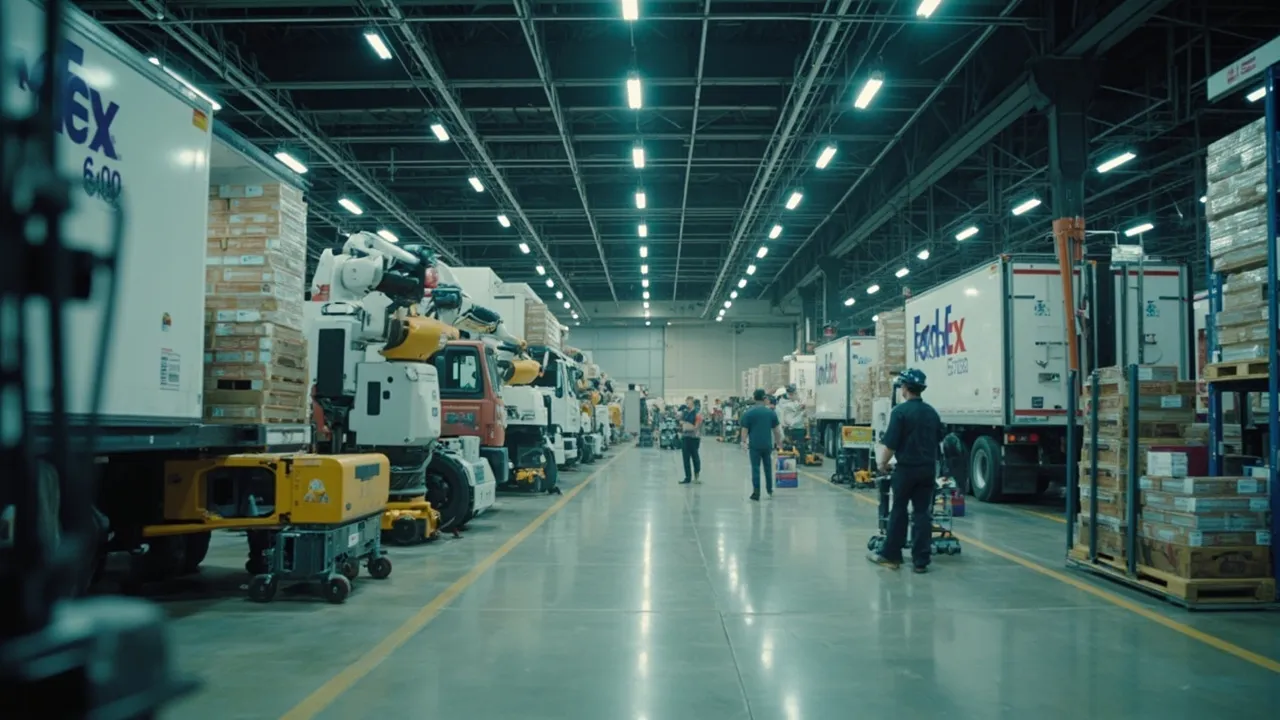
FedEx's Multi-Vendor Robotics Bet: Why the Carrier Just Ditched Proprietary Automation in Favor of Partners
FedEx is abandoning its in-house robotics push in favor of a multi-vendor partnership model. Here's what it means for the competitive landscape and why the robotics ecosystem's maturation is reshaping how carriers automate.
 CXTMS InsightsMay 1, 2026 · 5 min read
FedEx Freight Spinoff 60 Days Out: What Shippers Must Do Before June 2026
With the FedEx Freight spinoff 60 days away, shippers face a narrow window to renegotiate contracts, audit ratings, and reassess capacity commitments before the new entity sets its own pricing structure. Here's your action list.
CXTMS InsightsApril 30, 2026 · 5 min read
FedEx Freight Spin-Off Is 60 Days Away — What Shippers Must Do Now to Prepare
FedEx Freight becomes independent on June 1, 2026. Here's what the spin-off means for your LTL contracts, discount structures, and carrier relationships — and the moves to make before the ink dries.
CXTMS InsightsApril 10, 2026 · 5 min read
LTL Pricing in 2026: Why the Truckload-to-LTL Modal Shift Is Accelerating and What Shippers Must Do Now
LTL rates are up 5.2% year-over-year while truckload spot rates hit multi-year highs. Here's how shippers should rethink their modal strategy.
CXTMS InsightsApril 8, 2026 · 6 min read
FedEx Freight Spin-Off Countdown: What the June 2026 LTL Independence Means for Shipper Rate Strategy
FedEx Freight becomes an independent LTL carrier June 1, 2026. What the spin-off means for shipper contracts, rates, and multi-carrier strategy.
CXTMS InsightsMarch 25, 2026 · 7 min read
Maersk World Gateway II: How a $200M Fully Automated DC in Singapore Signals Ocean Carriers' Push to Become End-to-End Logistics Providers
Maersk's S$200 million World Gateway II in Singapore is a 1.1 million sq ft fully automated distribution center that signals ocean carriers' aggressive push into contract logistics. Learn what this means for 3PLs, shippers, and Asia-Pacific supply chains.
CXTMS InsightsMarch 22, 2026 · 6 min read
Fleet Resilience Over Efficiency: Why Geotab's 2026 Data Shows Carriers Pivoting From Cost Optimization to Disruption Readiness
Geotab's 2026 State of Commercial Transportation report reveals fleets are prioritizing resilience over pure efficiency. Learn why carriers are shifting strategy and how telematics data drives disruption readiness.
CXTMS InsightsMarch 3, 2026 · 6 min read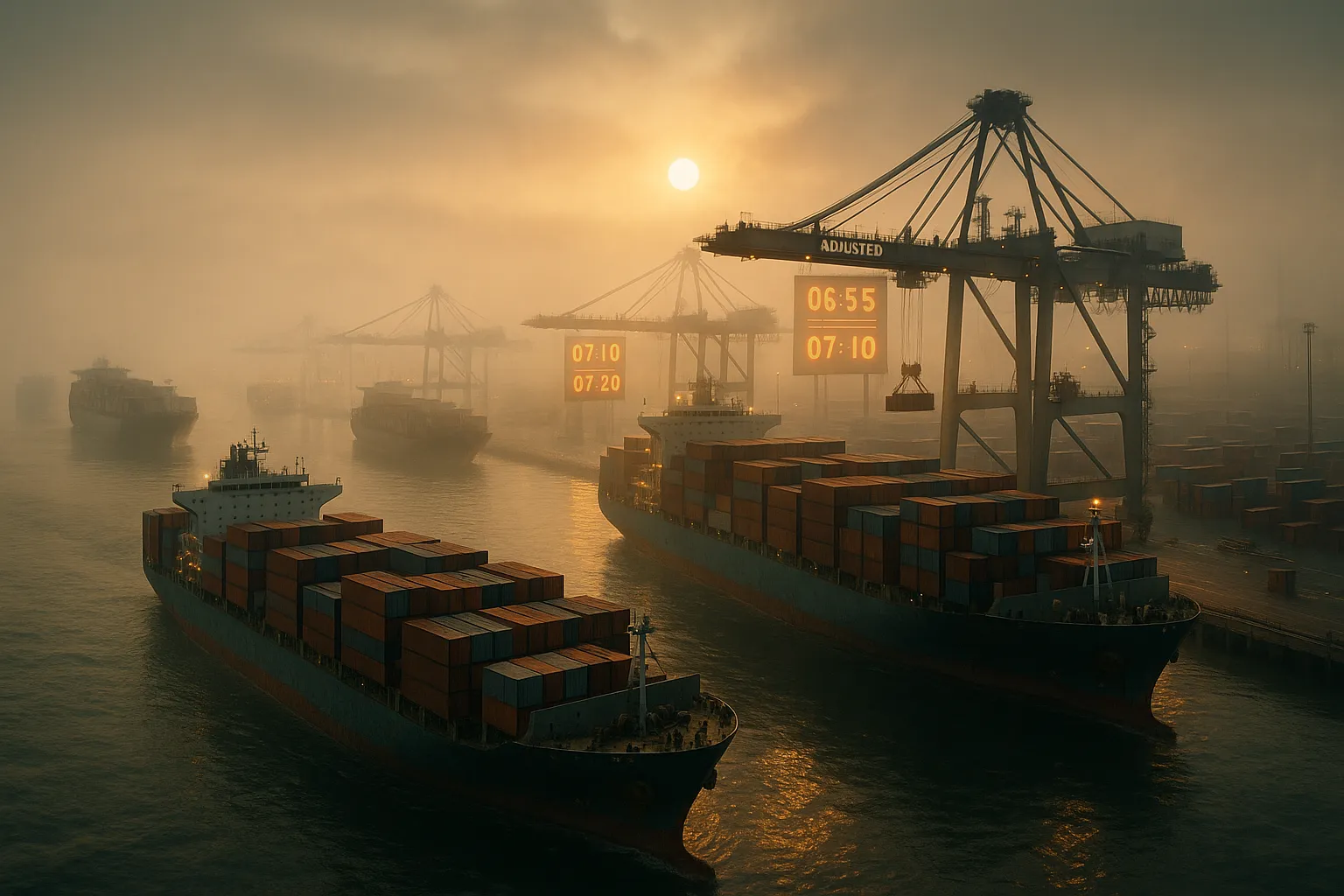
Freight Schedule Normalization: How Carrier Blank Sailing Recovery After the Suez Return Is Creating New Rate Negotiation Windows
As carriers resynchronize schedules following the Suez Canal return, ocean freight rates are dropping sharply. Here's how shippers can exploit the normalization window to renegotiate contracts and lock in favorable terms.
CXTMS InsightsMarch 2, 2026 · 6 min read
Suez Canal Return Begins: How Carriers' Gradual Red Sea Comeback Will Reshape Freight Rates in 2026
Maersk, CMA CGM, and Hapag-Lloyd are cautiously returning to the Suez Canal after two years of Red Sea disruptions. Here's what this means for ocean freight rates, capacity, and shipper strategy in 2026.
CXTMS InsightsMarch 1, 2026 · 6 min read