Air Cargo
61 posts tagged with “Air Cargo”
The WestJet Strike Is a Belly-Cargo Contingency Test for Canadian Shippers
The WestJet strike shows why Canadian shippers need trigger-based plans for lost belly capacity, alternative gateways, and truck-air substitution.
 CXTMS InsightsAugust 3, 2026 · 6 min read
Lithium Battery Air Cargo Is Recovering—but the 2026 SoC Rule Raises the Documentation Bar
Air cargo capacity is recovering unevenly, but the 2026 lithium battery state-of-charge rules make verified data and disciplined documentation essential for shippers.
CXTMS InsightsJuly 25, 2026 · 6 min read
New Air Cargo Contract Terms Put Liability Rules Back Into Shipment Planning
New air cargo airway bill terms show why freight forwarders need liability and claims rules visible before premium lift is booked.
CXTMS InsightsJuly 21, 2026 · 6 min read
Transpacific Air Cargo Capacity Is Becoming an Oversized-Freight Option, Not Just an Expedite Button
New Transpacific widebody freighter capacity shows why oversized, high-value, and deadline-critical freight needs governed air cargo fallback rules before disruption hits.
CXTMS InsightsJuly 16, 2026 · 7 min read
AI Hardware Demand Is Forcing Air Cargo Teams to Prioritize Premium Capacity
AI hardware and semiconductor demand are lifting air cargo volumes and Transpacific spot rates, forcing logistics teams to reserve premium capacity for truly critical shipments.
CXTMS InsightsJuly 14, 2026 · 6 min read
Air Cargo Training Is Becoming a Capacity Strategy
Air cargo training is becoming part of capacity strategy as shippers manage compliance, handling quality, documentation, temperature control, and airport handoffs.
CXTMS InsightsJuly 6, 2026 · 6 min read
China-Origin Parcel Air Cargo Is Shrinking. Domestic Fulfillment Needs a New Trigger Model.
China-origin parcel air cargo volumes fell sharply after de minimis changes, forcing ecommerce shippers to decide when direct parcel, bonded storage, cross-dock flow, or domestic fulfillment makes economic sense.
CXTMS InsightsJuly 3, 2026 · 6 min read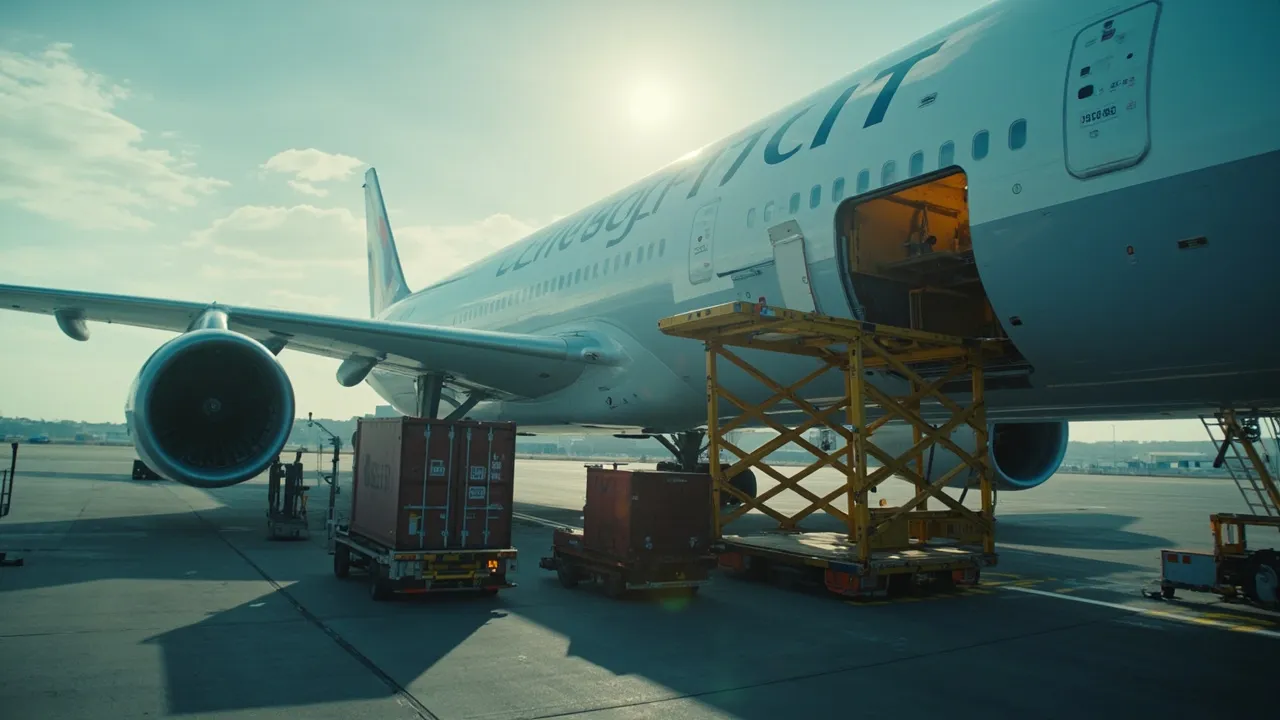
FedEx and China Southern Are Turning Guangzhou Into a Southeast Asia Air Cargo Gateway
FedEx and China Southern Air Logistics are deepening cooperation around Guangzhou, giving forwarders a timely signal to revisit Southeast Asia air cargo routing, cutoffs, and exception workflows.
CXTMS InsightsJune 20, 2026 · 6 min read
FedEx’s Netherlands Hub Investment Shows Europe’s Truck-Air Networks Are Converging
FedEx’s $54 million Duiven hub expansion shows why European freight networks increasingly depend on integrated truck-air handoffs, customs timing, and mode visibility.
CXTMS InsightsJune 7, 2026 · 7 min read
Heavy Air Cargo Is Becoming a Pressure Valve for Asia-to-US Industrial Supply Chains
Heavy air cargo is no longer just an emergency expedite option. Industrial shippers need clear rules for when air freight protects production, margin, tariff timing, and customer commitments.
CXTMS InsightsJune 2, 2026 · 7 min read