StarKist Supplier Allegations: Map Forced-Labor Evidence to Every Seafood Lot

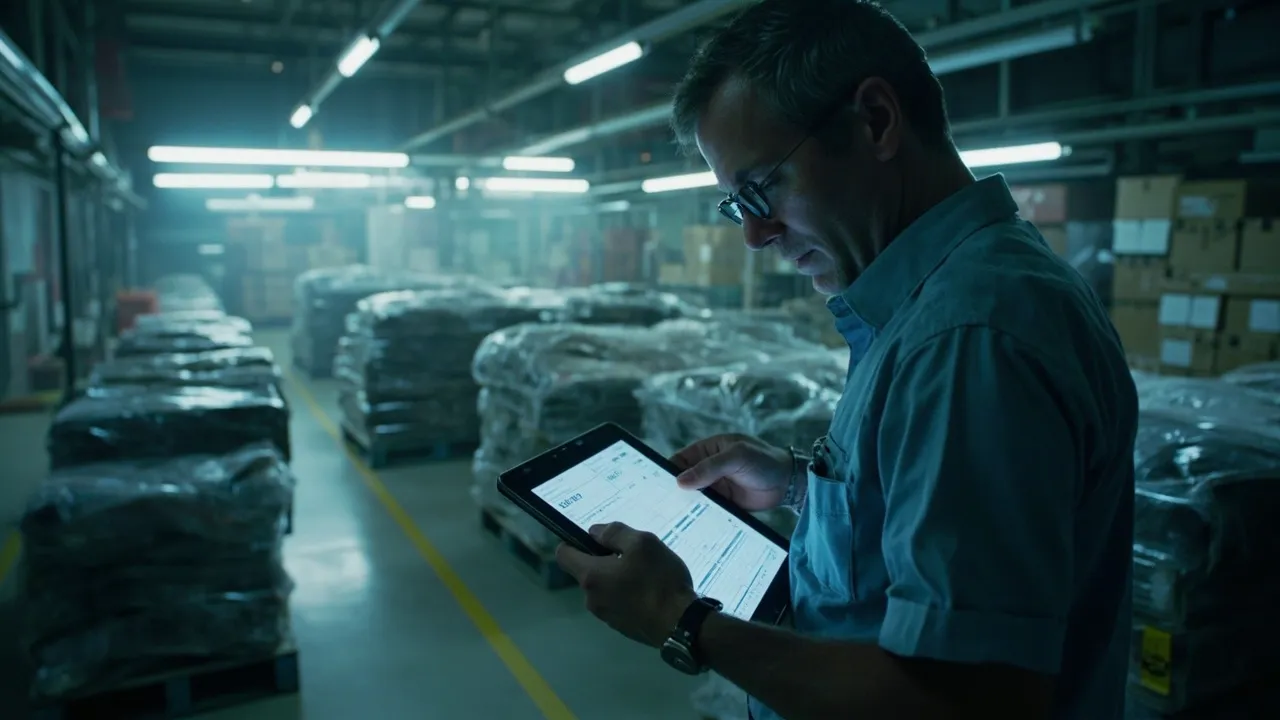
Forced-labor allegations in a seafood supply chain create an immediate operational problem: companies must decide which inventory to hold without treating an allegation as a proven finding—or allowing uncertain product to keep moving.
That balance is especially difficult in tuna. A finished case may combine catch from multiple vessels, transshipments, processors, and production runs before it reaches a U.S. warehouse. A supplier name alone cannot identify the exposed inventory. Procurement, compliance, and logistics teams need evidence that connects the people and vessel at sea to each finished lot on land.
Treat the Report as a Trigger, Not a Verdict
SupplyChainBrain reports that migrant fishers accused suppliers to StarKist of forced-labor practices following a two-and-a-half-year investigation by Global Labor Justice. The allegations concern the Pacific albacore supply chain and Taiwan-flagged vessels. They remain allegations, and the distinction matters: an ethical response preserves due process while controlling goods whose provenance cannot yet be demonstrated.
The regulatory context makes a passive response risky. Reuters noted in 2024 that the U.S. Forced Labor Enforcement Task Force added seafood among sectors identified as high priority for alleged forced-labor practices. The question for an importer is therefore not simply whether a direct vendor has a policy. It is whether the importer can retrieve credible evidence for the vessel, voyage, crew, transfers, processor, shipment, and lot under review.
Build One Chain of Evidence
The minimum traceability record should begin with the fishing vessel’s unique identifier, flag, ownership, operating company, captain, fishing authorization, voyage dates, and catch area. Names are not enough; vessels and companies may be renamed, reflagged, or represented differently across documents. Stable identifiers and effective dates prevent false matches.
Next, connect labor evidence to the voyage. Maintain crew lists, employment contracts, recruitment-agent details, wage and deduction records, payment evidence, passports or document-custody declarations, grievance records, and embarkation and disembarkation dates. Because worker interviews can carry retaliation risk, access controls and confidentiality rules should be explicit.
Then record every custody change:
- catch event, species, quantity, date, and location;
- landing or transshipment event, receiving vessel, port, and weight;
- cold-store receipt and internal lot identifier;
- processor intake, production batch, yield, and commingling event;
- exporter, importer of record, bill of lading, and container;
- distribution-center receipt, customer shipment, and finished-goods lot.
This structure matters because vessel behavior can supply useful risk signals without proving a labor violation. Reuters reported that researchers compiled 27 vessel behaviors and characteristics observable in satellite data that might indicate forced labor. Long periods at sea, unusual port avoidance, or suspicious movements can prioritize investigation, but they should not be presented as guilt. Combine such indicators with worker testimony, labor records, and custody documents.
Link Many-to-Many Transformations
Seafood traceability is not a simple one-up, one-down chain. One vessel’s catch can enter several processor batches, while one production run can contain material from several vessels. The data model must preserve those many-to-many relationships and quantities.
For each transformation, capture the input lots, output lots, time, facility, quantity, and responsible party. Add a mass-balance check: inputs should reconcile with outputs, normal processing loss, and documented waste. If 20 metric tons enter a facility but the resulting lots cannot be reconciled, the evidence chain is incomplete even when every PDF appears valid.
Transshipment deserves its own event record rather than a note buried in a certificate. It can separate the catch from the original vessel and complicate verification of both custody and working conditions. Record both vessels, coordinates or port, timestamps, quantities, authorization, observer or monitoring evidence, and the resulting lot identifiers.
Define Suspension and Release Rules Before a Crisis
A documented trigger matrix keeps teams from improvising under commercial pressure. Immediate suspension or quarantine may be appropriate when a named vessel or labor supplier matches a credible allegation, crew or wage records are withheld, vessel identity is inconsistent, a required custody event is missing, quantities fail reconciliation, or documents appear altered.
The hold should propagate only as far as the evidence supports. If a processor batch commingled catch from an implicated voyage with other inputs, every downstream lot containing that batch should inherit the hold. Unrelated lots should not be stopped merely because they share a brand or processor—unless traceability is too weak to separate them.
Release criteria should be equally concrete. Require resolved identity discrepancies, complete custody records, reconciled quantities, independently credible labor evidence, and approval by a named compliance authority. A new supplier affidavit by itself should not clear inventory when the original gap concerns crew payments or vessel activity.
Run One Cross-Functional Exception Workflow
Procurement owns supplier contact and commercial remedies. Compliance assesses evidence and decides escalation. Logistics locates inventory, applies holds, blocks allocation, and preserves shipment records. Quality teams control lot status, while legal counsel guides privilege, disclosure, and response to authorities. All should work from one case record with a shared timeline.
That record should separate four labels: alleged, corroborated, inconclusive, and remediated. It should also show which lots are blocked, where they are, why the control applies, who owns the next action, and when the case must be reviewed. This language prevents an allegation from being repeated internally as an adjudicated fact while ensuring uncertainty does not become an excuse for inaction.
Time is critical. Configure alerts when a held lot is scheduled for picking, when new inventory maps to an affected vessel or batch, or when requested evidence misses its deadline. Preserve the record even after release; future reports may change the risk assessment.
Turn Traceability Into a Control
Annual supplier questionnaires cannot answer a lot-level crisis. Importers need an operational graph that connects vessel, crew, voyage, transshipment, processor, container, and finished product—then carries a defensible hold through every transformation.
CXTMS helps logistics teams connect shipment milestones, documents, parties, exceptions, and inventory references in a shared workflow. Request a CXTMS demo to see how structured evidence and exception controls can strengthen seafood supply-chain due diligence.