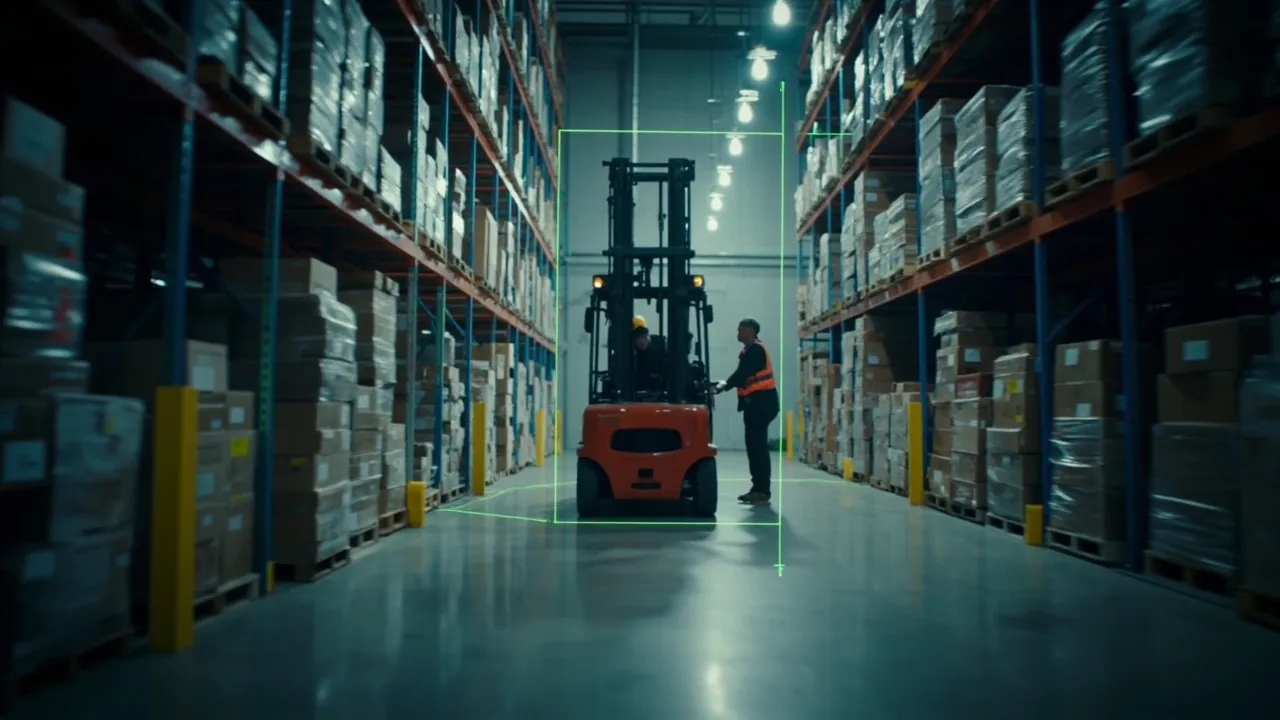
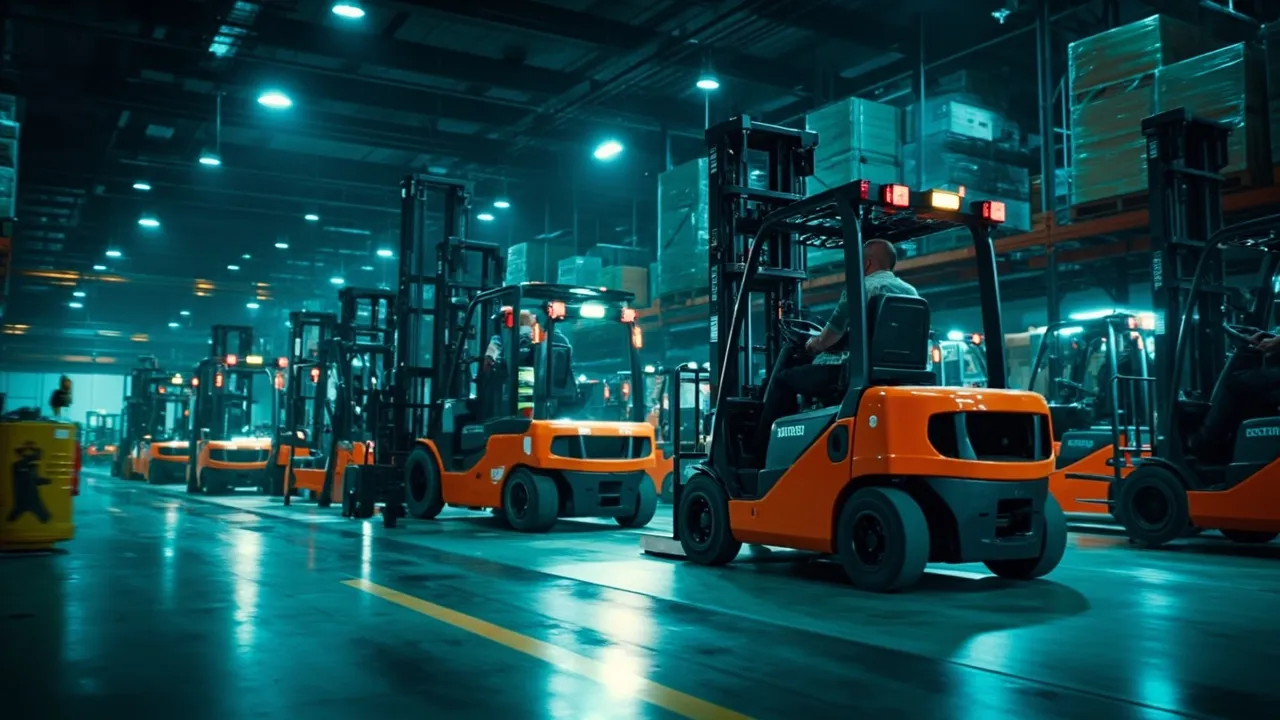
Sodium-Ion Forklift Batteries Need a Warehouse Duty-Cycle Test Before Fleet Adoption

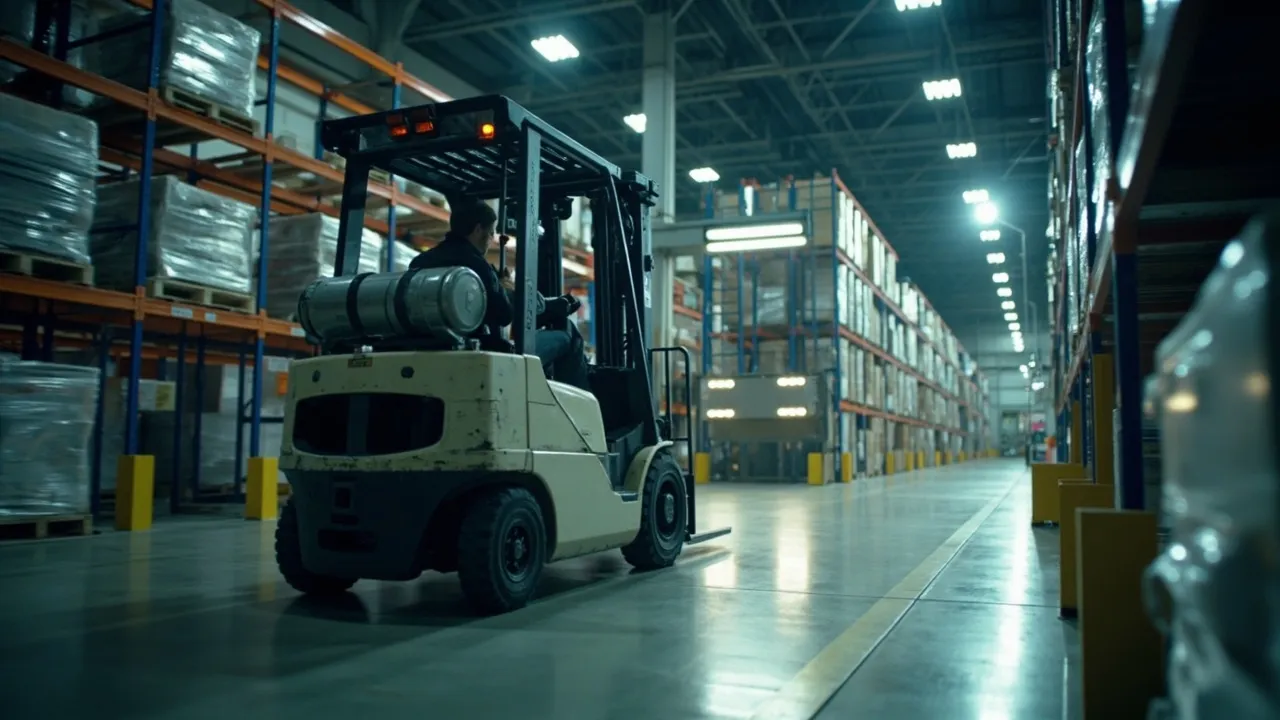
Sodium-ion batteries are moving out of the laboratory and onto the warehouse floor. That is an important step, but it is not yet a reason to replace an entire forklift fleet.
Inbound Logistics reports that Jungheinrich has deployed sodium-ion batteries in real-world customer applications after building and testing its first forklift prototypes. The material-handling company is now validating performance and reliability across different operating conditions. The potential advantages include widely available raw materials, lower costs, a smaller environmental footprint, resource-efficient production, and recyclability.
Those benefits deserve attention. Fleet adoption, however, should be decided by warehouse duty-cycle data: whether a battery can deliver the required work, in the required environment, without moving cost or downtime somewhere else.
Chemistry Claims Are Not Operating Results
Sodium is abundant and geographically widespread, which may reduce exposure to some of the sourcing constraints associated with lithium. Yet raw-material availability does not tell an operator how many pallets a forklift will move before charging, how performance changes in a freezer, or whether a failed pack can be replaced quickly.
The comparison needs six operational measures:
- Usable energy: runtime under the facility's actual loads, travel distances, lift heights, and attachments
- Charge behavior: time to recharge, energy recovered during breaks, and the effect of repeated opportunity charging
- Cycle life: retained capacity after months of real discharge and charging patterns
- Temperature performance: runtime and charging limits in ambient, refrigerated, and freezer zones
- Safety and compatibility: third-party certification, charger requirements, truck integration, and emergency procedures
- Serviceability: availability of replacement packs, parts, technicians, warranties, and end-of-life processing
Energy density is especially important because a forklift battery is also part of the truck's counterweight system. A different chemistry may change pack size and weight even when nominal capacity looks similar. Operators should require the truck and battery suppliers to confirm compatibility rather than treating a battery as a drop-in component.
Start With the Warehouse's Actual Load Profile
Battery economics vary dramatically by operation. A one-shift facility with long idle periods has a different requirement from a 24/7 distribution center where every charging minute competes with productive work.
That distinction is already visible in established battery technologies. Modern Materials Handling notes that lead-acid batteries powered an estimated 90% of electric forklifts when its analysis was published. In one eight-truck distribution-center test operating roughly 1.5 shifts, telematics data led the battery supplier to recommend staying with lead acid because the higher-cost alternative did not produce an adequate return.
The same source describes opportunity charging as a behavioral change, not merely a hardware feature. At one operation, it took about two months to train drivers to connect trucks during breaks of five to 30 minutes. Before that habit formed, batteries were too depleted for the following shift.
A sodium-ion pilot should therefore begin with two to four weeks of baseline data from the current fleet. Capture operating minutes, idle minutes, state of charge at shift boundaries, charging sessions, kilowatt-hours consumed, battery swaps, maintenance events, and work completed. Segment the record by truck class, shift, zone, operator group, and task.
Design a Controlled Pilot
Choose a representative group of trucks rather than the easiest possible route. The pilot should include normal congestion, realistic pallet weights, common lift heights, and the temperature changes the fleet experiences every day. Keep a comparable control group on the existing battery technology.
Run the trial long enough to include peak days and operational variability. Evaluate at least these measures:
- Productive truck hours per scheduled hour
- Pallet moves, travel distance, or task completions per kilowatt-hour
- Runtime before charging and state of charge at shift end
- Charge duration, peak electrical draw, and missed charging opportunities
- Battery-related downtime and maintenance labor
- Performance in the coldest and warmest operating zones
- Capacity retention and fault events over the test period
- Cost per productive hour, including infrastructure and support
Peak electrical demand deserves its own review. Faster or more frequent charging may improve truck availability while raising demand charges or exceeding local electrical capacity. Staggered charging, charger controls, and shift scheduling can materially change the result, so the pilot should record 15-minute demand intervals rather than relying only on monthly electricity totals.
Treat Safety Approval as a Gate
New chemistry does not remove the need for truck-level and facility-level safety review. MHI's Advanced Energy Council discussion of lift-truck battery standards highlights OSHA 1910.178, ANSI/ITSDF B56.1, UL 583 for electric-powered lift trucks, UL 2580 for batteries, and charger certification as part of the current safety landscape.
Sodium-ion products may require chemistry-specific interpretation as standards and listings evolve. Before deployment, confirm acceptable truck-and-battery combinations with the OEM, dealer, insurer, fire-safety team, and authority having jurisdiction. Document charging locations, ventilation or temperature limits, isolation procedures, damaged-pack handling, and employee training.
Certification is not a substitute for performance testing, and performance is not a substitute for certification. A pilot should require both.
Connect Equipment Availability to Shipment Performance
A battery trial can look successful in an energy spreadsheet while still hurting outbound service. If trucks become unavailable during wave picking, docks may starve, trailers may dwell, and appointments may be missed.
CXTMS can connect warehouse and transportation events so operators see that operational chain. Teams can compare truck availability and charging windows with dock assignments, loading start times, trailer dwell, missed cutoffs, and shipment exceptions. That makes it possible to determine whether a battery-related interruption actually affected throughput or whether another constraint caused the delay.
The result should be a decision by use case, not a universal verdict. Sodium-ion may prove attractive for specific truck classes, temperature zones, or shift patterns before it fits the entire fleet. A disciplined duty-cycle test reveals where the technology creates value—and where waiting is the smarter move.
Ready to connect warehouse activity with transportation performance? Request a CXTMS demo and see how one operational record can support equipment pilots, dock planning, and shipment execution.