$20 Million Server Thefts Change Cargo Security: Build a Data-Center Hardware Custody Protocol

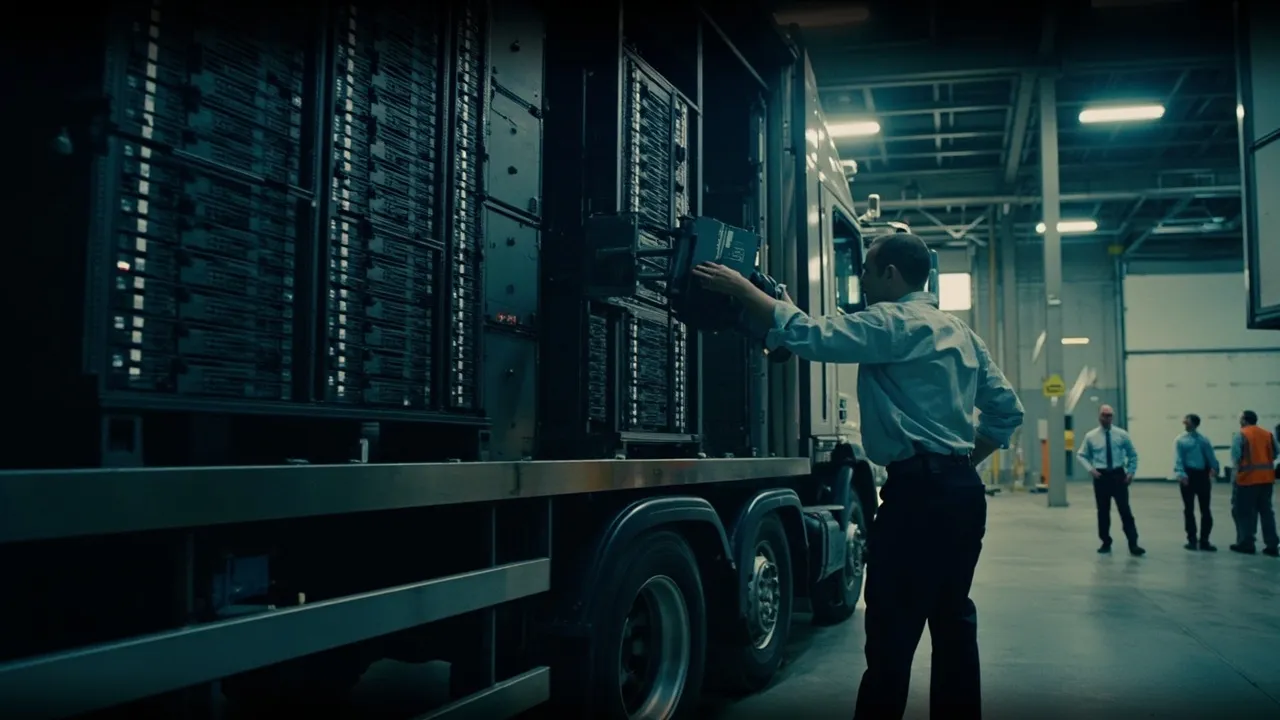
When a single truckload can contain servers worth nearly $20 million, standard high-value freight procedures are no longer enough. Data-center hardware combines extraordinary concentration of value with predictable lanes, time-sensitive project schedules, and components that can move quickly through illicit resale channels. The security plan must protect every transfer of possession—not merely track the trailer between pickup and delivery.
Inbound Logistics reported that several data-center server thefts in the first half of 2026 reached the $20 million range. The previous upper end for a major cargo loss was typically $1 million to $1.5 million. At $20 million, one incident is roughly 13 to 20 times that former ceiling.
The frequency signal is troubling too. A separate Inbound Logistics report put reported theft activity at an average of 6.4 incidents per day during the first quarter of 2026. Those figures make server freight a governance issue spanning transportation, corporate security, insurance, procurement, and data-center operations.
Treat Custody as a Chain of Verified Events
A GPS dot can show where a truck is, but it cannot prove who collected the load, who opened a cage, whether a seal changed, or whether the consignee accepted the correct equipment. The operational record should capture the six moments where control changes or exposure increases.
1. Release from the origin cage
Keep serialized equipment inside a restricted area until the assigned vehicle and driver have been authenticated. Match the driver's government identification, carrier identity, tractor and trailer numbers, pickup code, and appointment against the tender record. Use a callback to a known carrier contact for any last-minute substitution; never trust contact details supplied in the substitution request itself.
Record pallet or asset serials, count, condition, seal number, timestamp, and the identities of both releasing and receiving parties. A photo alone is weak evidence unless it is connected to the shipment, location, user, and time.
2. Carrier dispatch
Verify the carrier and driver again before sharing the precise pickup address or commodity detail. Restrict sensitive shipment data to people who need it, and log every change to dispatch instructions. A change in phone number, email domain, payment details, equipment, or driver close to pickup should create a hold for independent review.
This is where value-based controls should begin. A $20 million load should require stronger authentication, continuous monitoring, and executive exception approval than ordinary freight.
3. Cross-dock transfer
Avoid cross-docking where possible. When it is necessary, pre-approve the facility, reserve a controlled door, and prohibit unscheduled dwell. Both trailers, both drivers, the seal break, new seal, unit count, start time, and completion time belong in one custody event. Video retention and access logs should align with the insurer's evidence requirements.
4. Team-driver handoff
Team driving reduces stationary exposure, but it does not eliminate internal handoffs. Record each driver's duty period and acknowledgment of custody. If a tractor, trailer, or driver changes, treat that as a new transfer requiring authentication—not as a routine dispatch note.
5. Secure parking
Plan fuel, rest, and contingency stops before departure. Allow only approved facilities with controlled access, lighting, surveillance, and a documented incident process. Unplanned stops and dwell beyond a defined threshold should trigger immediate contact. Parking security should be verified operationally; a label in a route guide is not enough.
6. Consignee access and receipt
Delivery is complete only after the destination verifies the vehicle and driver, inspects the seal, reconciles serials or pallet identifiers, records condition, and signs acceptance. Arrival outside the approved window or a request to divert to another door or address requires confirmation through known consignee contacts.
Set Controls According to Shipment Value
Use a tiered policy so dispatchers do not improvise under pressure. Higher-value tiers can add dual approval, team drivers, covert tracking, continuous geofence monitoring, no-stop departure windows, secure parking reservations, and direct delivery. Thresholds should reflect replacement value, scarcity, project-delay exposure, insurance terms, and theft intelligence—not value alone.
At minimum, define alerts for:
- departure without completed identity checks;
- a seal mismatch or undocumented seal replacement;
- route deviation beyond an approved corridor;
- loss of location signal beyond a specified interval;
- unexpected dwell, especially near pickup;
- arrival at an unauthorized location; and
- any change to driver, tractor, trailer, or delivery instructions.
Every alert needs an owner and deadline. A route-deviation notification that sits unread for 30 minutes is a historical record, not a security control. Define who contacts the driver, who calls the carrier's verified security number, when corporate security or law enforcement is notified, and who can authorize the vehicle to continue.
Build an Audit File Before a Loss Occurs
Logistics Management describes UPS Secure Commerce as combining technology and data to help shippers manage supply-chain risk. The broader lesson is that security signals are useful only when they become timely operating decisions and defensible evidence.
In CXTMS, the shipment record can connect the tender, approved carrier, verified driver and equipment, route, geofences, seals, asset identifiers, custody acknowledgments, location events, alerts, communications, and proof of delivery. Role-based access should limit sensitive details, while an immutable activity history shows who entered or changed each fact.
That shared timeline gives operations, security teams, insurers, and customers the same account of the move. It also supports post-shipment review: Which alerts were false positives? Where did unplanned dwell recur? Which facilities or carriers followed the protocol consistently? Where did substitutions bypass approval?
Server cargo has crossed into a risk category where one compromised handoff can create an eight-figure loss and derail a critical data-center deployment. The answer is not more tracking dots. It is a verified, value-based custody protocol that makes every transfer explicit, every exception actionable, and every decision auditable.
Protect high-value hardware with a shipment-level chain of custody. Request a CXTMS demo to see how your team can manage verified events, security exceptions, and delivery evidence in one workflow.