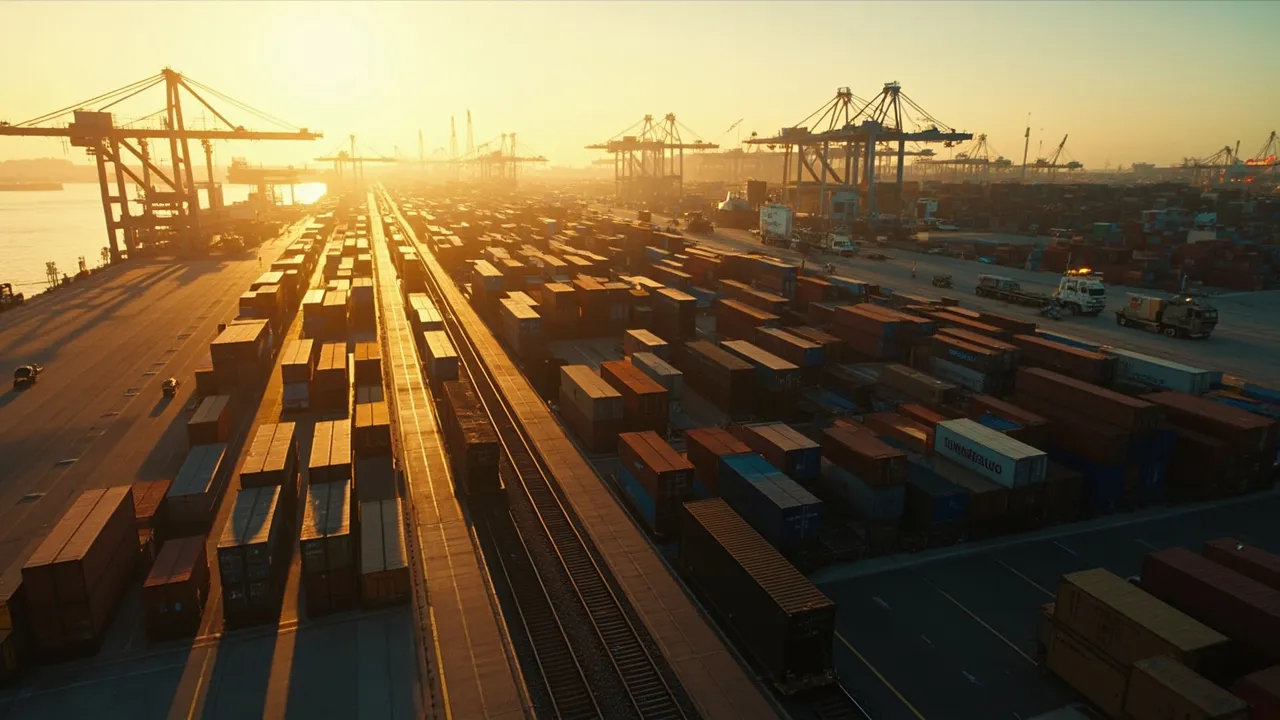
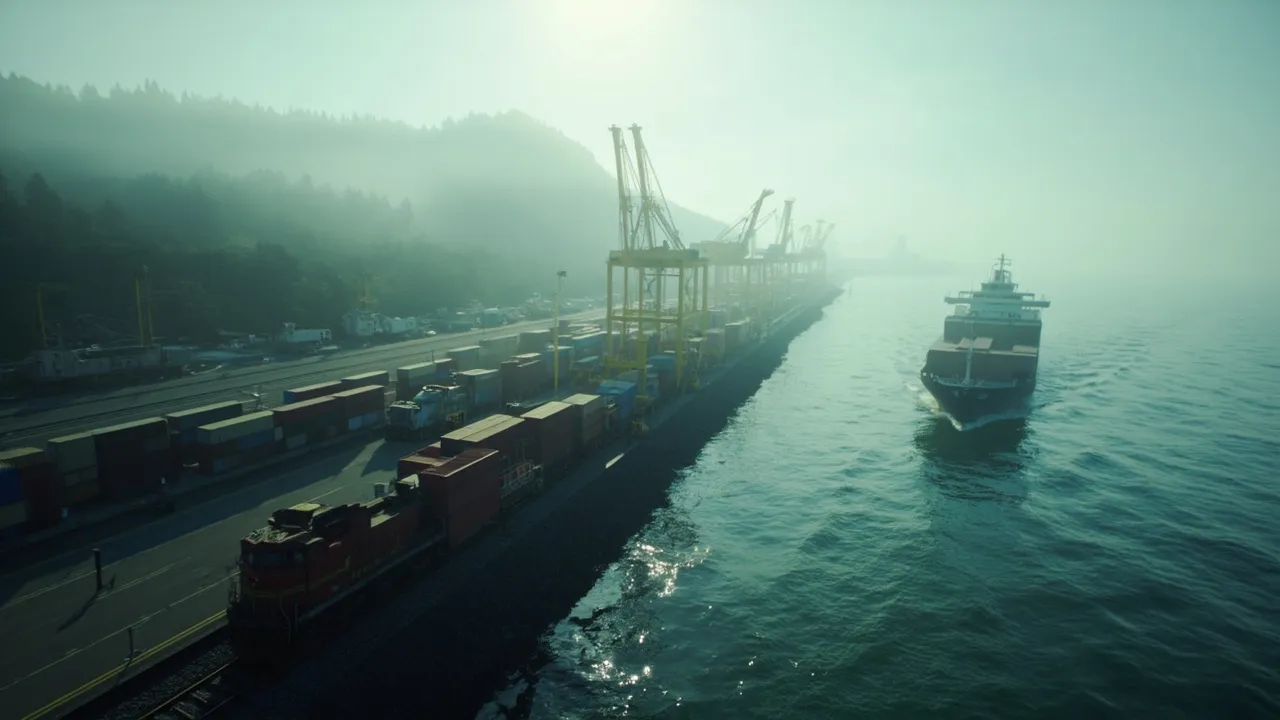
Schneider's Eastern Rail Switch Needs a Lane-by-Lane Intermodal Cutover Plan


Changing the railroad beneath an intermodal network is not a simple carrier substitution. Every affected lane also depends on terminal gates, dray capacity, chassis and container positioning, cutoff times, train schedules, customer appointments, and exception workflows. If any one of those connections fails, a promising strategic agreement can become a service problem at shipment level.
That is the operational challenge behind Schneider's decision to make Norfolk Southern its primary eastern rail provider. The move may create new capacity and network options, but shippers should judge the transition lane by lane—not by the announcement alone.
The switch is significant, and the timeline is tight
FreightWaves reported that the agreement becomes effective in November and connects Schneider's company-owned equipment, drivers, and logistics operations with Norfolk Southern's 22-state intermodal network. That puts physical assets and operating teams into the cutover, not merely contractual volume.
The commercial context raises the stakes. In the third quarter, Schneider's intermodal revenue excluding fuel increased 2% year over year to $288 million, even though loads declined 2%. Revenue per load excluding fuel increased 3%, according to a separate FreightWaves earnings report. A transition affecting a business of that scale needs controlled execution and fast visibility into deterioration.
Norfolk Southern is entering the partnership with traffic already growing. The railroad's total volume increased 3% in the quarter, with intermodal volume also up 3%, FreightWaves reported. Growth is encouraging, but it also means planners cannot assume unlimited terminal, train, or dray capacity during the handoff.
Start with a cutover inventory, not a launch date
The first working document should identify every origin-destination pair moving to the new rail arrangement. For each lane, record the old and new ramps, train cutoff, scheduled availability, expected dray radius, customer appointment rules, commodity restrictions, and peak-day volume.
Then map the assets and partners that make the lane work. Which dray carriers are credentialed at the new ramp? How many tractors can they commit by shift? Will the same container pool serve the lane? Where will chassis be sourced? Are empty-return instructions changing? Which locations need revised geofences, accessorial rules, or electronic data connections?
This inventory often reveals that one commercial lane is several operational flows. Loads originating within the same market may use different ramps because of customer hours, equipment supply, or destination schedules. Treating all of them as one cutover group hides the precise point where service can break.
Establish a baseline customers can feel
Railroad-level measures such as train velocity and terminal dwell are useful, but they do not fully describe the shipper's experience. A 2025 comparison found CSX train speed at 22.8 mph and Norfolk Southern at 22.1 mph, while terminal dwell was nearly equal at 24.9 and 25.1 hours, respectively, according to FreightWaves. Those network averages are too broad to predict whether a particular Atlanta-to-New Jersey shipment will meet its appointment.
Build a pre-cutover baseline from at least eight to twelve representative weeks. At minimum, measure:
- Door-to-door transit time and its variance, not just the average
- Origin ramp dwell and destination availability-to-pickup time
- Missed train connections and rolled loads
- On-time pickup and delivery against customer appointments
- Dray wait time, empty miles, and failed pickup attempts
- Damage, loss, and cargo claims per 100 loads
- Accessorial cost per load, including storage and detention
Segment the results by lane, ramp pair, customer, weekday, and service level. The goal is to know the normal range before the railroad changes. Without that baseline, teams can argue about whether a delay is transitional noise or genuine degradation while freight keeps accumulating.
Phase tenders by operational risk
A nationwide overnight flip creates unnecessary exposure. Start with lanes that have schedule flexibility, multiple qualified dray providers, balanced equipment flows, and customers able to absorb a small timing variation. Hold back lanes serving production lines, regulated cargo, narrow receiving windows, or penalty-heavy retail appointments until the first group is stable.
Use tender rules to control the ramp-up. For example, direct 20% of eligible weekly volume to the new routing in phase one, then increase to 50% only after two consecutive weeks inside the agreed service thresholds. Move to full volume after performance remains stable through a peak shipping day and a weekend cycle.
Volume limits should be lane-specific. A strong result on a high-frequency Chicago lane does not prove that a lower-density market with a different terminal and dray pool is ready. Each lane earns its next phase from its own data.
Define rollback before service slips
Rollback rules are most useful when written before the launch. Set explicit thresholds for consecutive late loads, dwell above baseline, missed connections, equipment shortages, and customer appointment failures. Assign an owner who can pause new tenders without waiting for an executive meeting.
A practical rule might freeze a lane's ramp-up when its 90th-percentile door-to-door transit exceeds baseline by 12 hours for two reporting periods, or when more than 5% of loads miss confirmed delivery appointments. A severe event—such as a terminal embargo, systemic data failure, or loss of dray coverage—should trigger immediate diversion where an approved alternative exists.
Rollback does not always mean returning every load to the former railroad. It may mean capping volume, shifting a specific customer to truckload, using an alternate ramp, or reserving the new routing for flexible freight. The response should match the failure mode.
Run the transition from one control view
During cutover, transportation teams need a shared view of every load, milestone, exception, owner, and next action. A transportation management system should compare promised and actual events across rail, dray, and customer appointments, then surface exceptions before storage charges or missed deliveries occur.
CXTMS gives logistics teams the lane-level visibility and workflow control needed to manage complex multimodal changes. Request a CXTMS demo to see how centralized tendering, milestone tracking, and exception management can support a safer intermodal cutover.