Savannah Handles More Than 504,000 TEUs: Protect Truck Turn Times During Terminal Growth


The Port of Savannah's record September shows why terminal growth and landside execution must advance together. More container capacity creates opportunity, but importers and freight forwarders still need tight control over appointments, chassis, receiving windows, and empty returns to keep a busy gateway from becoming an expensive bottleneck.
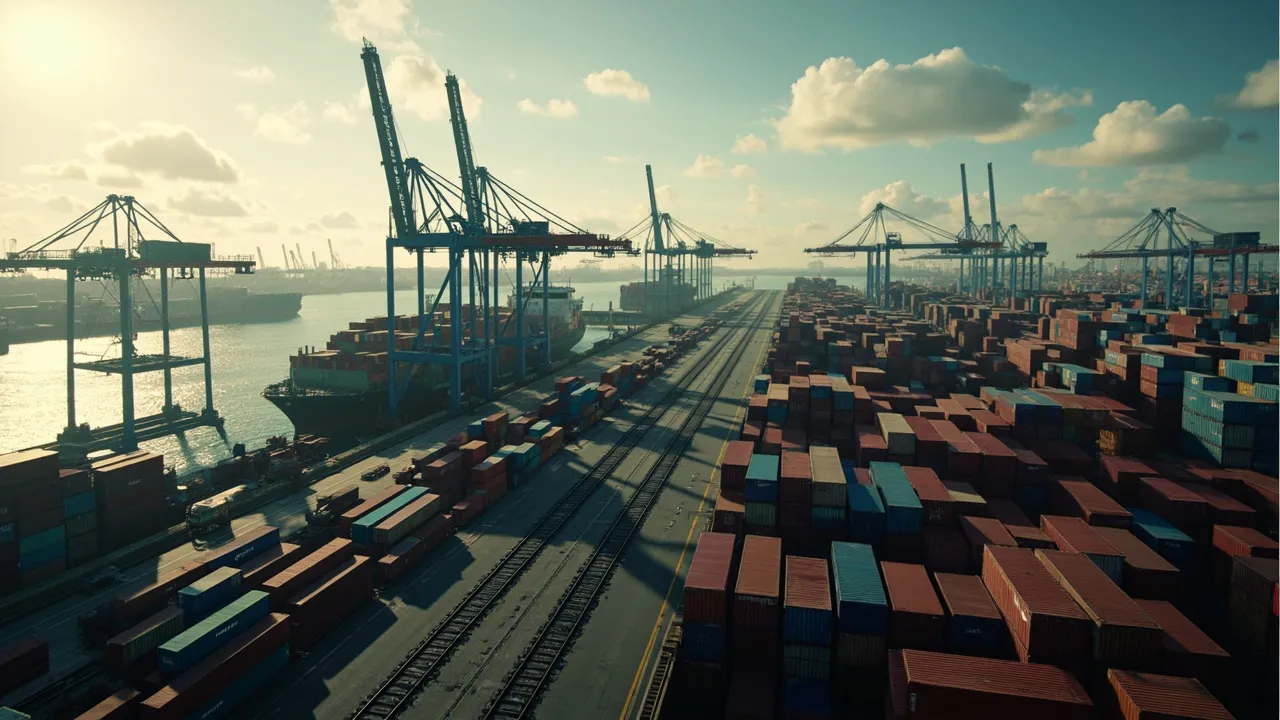
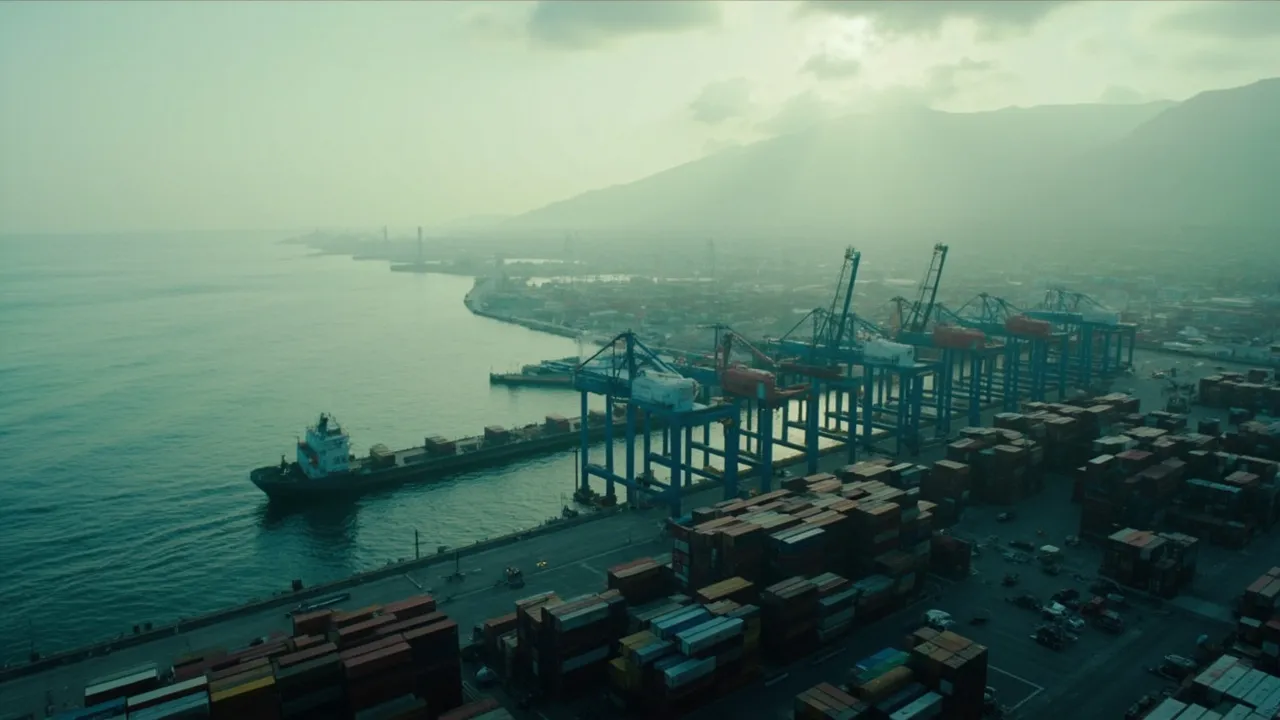
FreightWaves reported that Savannah handled 504,015 twenty-foot equivalent units (TEUs) in September, a record for the month and a 3.7% increase from the prior year. The article attributed the extended peak season to stronger imports and weather-related cargo delays. Those disruptions matter because delayed vessels can bunch arrivals into fewer operating days, creating a sharper landside peak than the monthly total suggests.
The growth is not occurring without investment. A separate FreightWaves report said the Ocean Terminal project will expand annual capacity from 200,000 to 1.75 million TEUs. That is an increase of 1.55 million TEUs, or nearly nine times the original capacity. Yet physical capacity is only one part of the flow equation. A container is not truly cleared until it leaves the terminal, reaches its destination, and returns empty equipment within the allowed window.
Throughput Does Not Guarantee a Fast Truck Turn
A monthly port record measures cargo handled, not the experience of every driver or shipment. Truck turn time is shaped by a chain of dependencies: the container must be discharged and available, customs and carrier holds must be cleared, an appointment must exist, a compatible chassis must be ready, and the receiving location must accept the load.
One broken link can strand capacity elsewhere. A terminal may process boxes efficiently while a warehouse with limited receiving hours forces dray carriers to hold imports overnight. A truck may arrive on time but lose a productive cycle because the assigned chassis needs repair. A container may leave the gate quickly and then wait days for unloading, making the empty-return deadline the next source of cost.
The correct unit of management is therefore the complete container journey, not the gate transaction alone.
Watch Five Constraints as One System
1. Gate peaks and appointment supply
Compare available appointment slots with containers becoming available by hour and day. Daily totals hide the periods that matter most. Monitor appointment lead time, slot utilization, no-shows, trouble transactions, and median and 90th-percentile turn time by shift. The upper percentile reveals costly exceptions that an average can conceal.
2. Chassis readiness
Track chassis fulfillment and roadability at the same level as truck capacity. A confirmed driver without suitable equipment is not usable pickup capacity. Segment failures by pool, location, size, and operating window so dispatchers can reserve equipment or reschedule before a driver reaches the gate.
3. Rail interfaces
For inland-point cargo, watch the time from discharge to rail load, planned versus actual departure, and availability at the destination ramp. Terminal expansion can increase marine throughput while rail cutoffs, train frequency, or destination-ramp capacity remain constrained. When rail reliability falls, teams need enough lead time to compare recovery options rather than defaulting to costly expedites.
4. Receiving hours
Align terminal appointments with warehouse doors, labor, and yard space. A receiving calendar should show confirmed capacity—not merely published business hours. Weekend gates add little value if the consignee cannot receive until Monday and no approved drop lot is available.
5. Empty returns
Follow the box through unloading and accepted empty return. Record the carrier's return location, cutoff, dual-transaction opportunity, and any rejection or redirection. This closes the operational loop and prevents an apparently successful import move from generating detention later.
Define Triggers Before the Queue Forms
Operators need predetermined thresholds connected to clear actions. Exact values should reflect contracts and local performance, but a practical starting framework includes:
- Pre-pull: activate when projected pickup falls within 24 hours of free-time expiration or when receiving capacity will not be available before that point.
- Drop lot: use when more than 10% of the next 48 hours' pickups lack a matching live-unload appointment, subject to cargo security and storage rules.
- Extended gates: add evening or weekend coverage when slot utilization exceeds 85% for two consecutive operating periods and enough drivers and receivers can participate.
- Alternate transload: qualify overflow capacity before peak periods and activate it when destination appointments slip by 48 hours or yard utilization approaches its safe ceiling.
- Chassis intervention: reserve equipment or shift pickup windows when fulfillment drops below the team's service threshold for two consecutive periods.
These figures are decision examples, not universal port benchmarks. Each trigger needs an owner, response deadline, cost limit, and escalation path. Without those elements, a dashboard merely describes congestion after it has already harmed service.
Track Delay Ownership From Availability to Empty Return
CXTMS can connect vessel and terminal milestones with drayage dispatch, appointments, delivery, proof of unloading, and empty return. That shared timeline helps teams separate terminal delay from carrier, chassis, warehouse, or consignee delay—and assign the right corrective action.
The shipment record should include container availability, last free day, pickup appointment, actual gate events, chassis assignment, driver arrival and departure, receiving appointment, unload completion, empty-return instruction, and final equipment receipt. Costs such as demurrage, detention, storage, waiting time, and redelivery should attach to the same record.
With those events in one workflow, managers can answer the questions that protect margin: Which available containers have no pickup plan? Which drivers are approaching a turn-time exception? Which loaded boxes are waiting for warehouse space? Which empties face a return deadline? And who owns the next action?
Savannah's 504,015-TEU month is evidence of a growing gateway. For shippers and forwarders, the operating advantage will come from matching that growth with measurable landside controls. Gate appointments, chassis, rail, receiving, and empty return must work as one system if record throughput is to produce reliable delivery.
Want shipment-level control from container availability through empty return? Request a CXTMS demo to see how your team can manage drayage milestones, exceptions, and costs in one place.