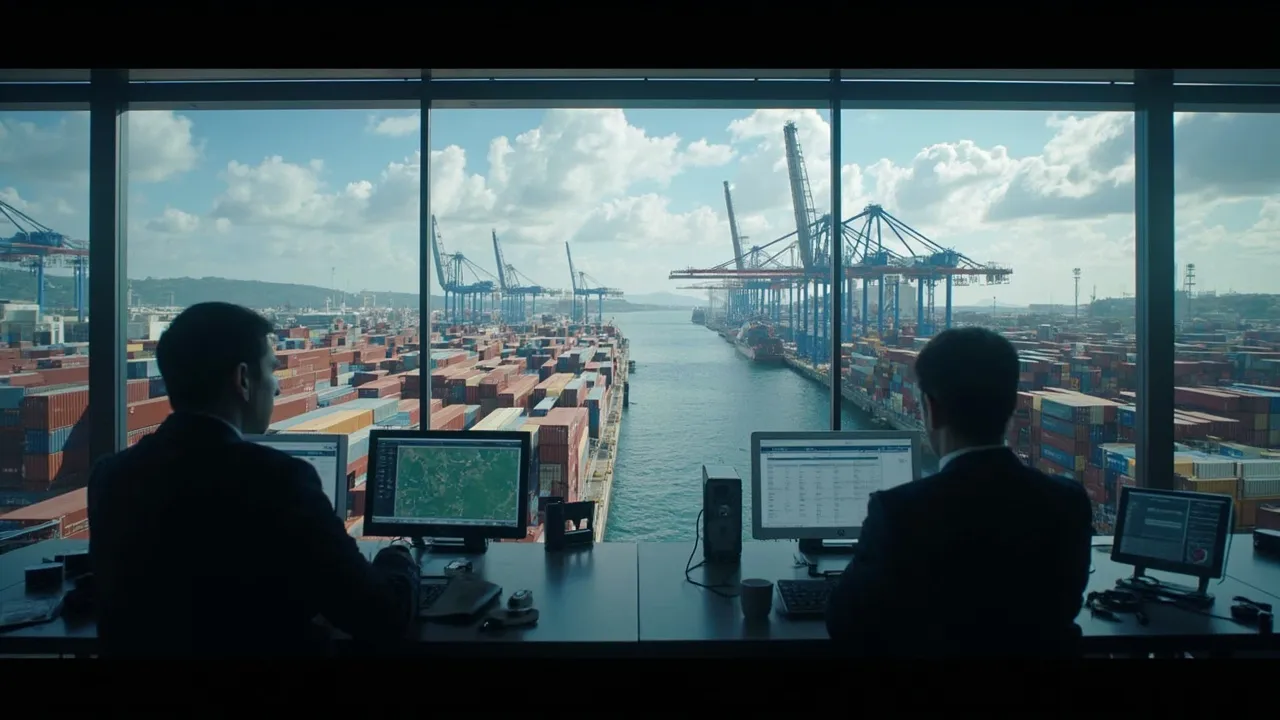
RWE’s $1.22 Billion Offshore Wind Exit Creates a Project-Cargo Demobilization Test

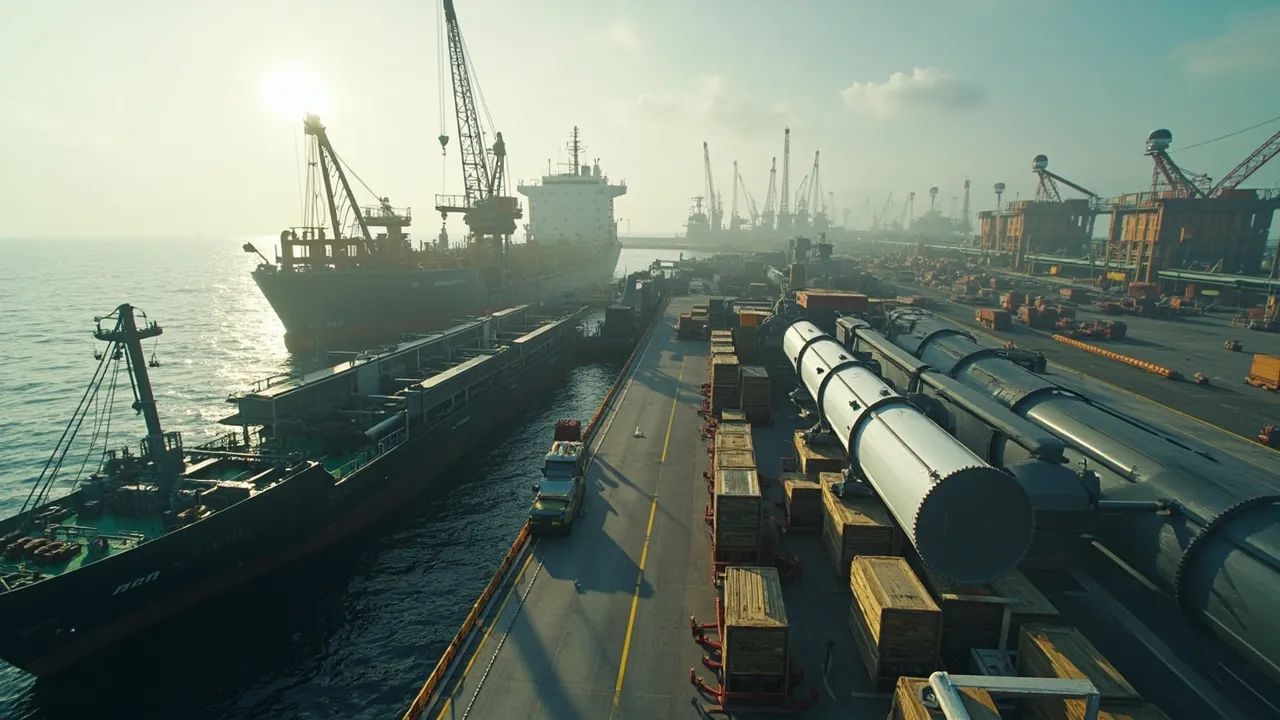
Canceling an offshore wind project does not cancel its supply chain. It reverses it.
RWE’s agreement to relinquish three U.S. offshore wind leases is a sharp reminder that project-cargo commitments often run years ahead of physical construction. Vessel capacity may be reserved, port space optioned, engineering work released, supplier slots secured, and long-lead components started before a turbine ever reaches the water. When the investment decision changes, every one of those commitments needs an owner and a closing milestone.
For logistics teams, the relevant question is not simply how quickly spending can stop. It is whether deposits, equipment, documentation, and physical custody can be unwound without creating avoidable claims, storage charges, or stranded inventory.
A $1.22 billion decision reaches three lease areas
Reuters reported that RWE reached a $1.22 billion agreement with the U.S. government to cancel three offshore wind leases and direct the funds toward LNG and natural-gas power projects. The leases covered areas in the New York Bight and off California and Louisiana.
SupplyChainBrain likewise reported the $1.2 billion settlement, placing the move within the administration’s broader retreat from offshore wind. The shift is not an isolated signal. In March, Reuters reported that TotalEnergies redirected nearly $1 billion from U.S. offshore wind leases toward oil and natural-gas production.
Those figures describe the capital decision, not the closeout workload. Three lease areas mean different ports, water depths, regulatory paths, supplier assumptions, and logistics networks. Their commitments cannot safely be collapsed into one line labeled “project canceled.”
The stranded commitment is often invisible
Offshore wind procurement depends on scarce and highly sequenced resources. Installation and support vessels are booked around seasonal weather windows. Ports reserve reinforced laydown areas and crane access. Heavy-lift providers plan engineering, lifting gear, escorts, and crews. Fabricators hold production slots for foundations, towers, cables, substations, and secondary steel.
Some commitments will be cancellable. Others may carry deposits, notice periods, escalation clauses, or termination charges. Material already fabricated creates a different problem: it may be reusable on another project, saleable to another buyer, recyclable, or effectively stranded because its design is project-specific.
A purchase-order report will not expose the whole liability. Logistics teams must also find reservations and obligations embedded in charter parties, port agreements, framework contracts, freight bookings, engineering work orders, warehousing contracts, customs arrangements, and supplier correspondence.
The practical inventory should cover at least five categories:
- Marine capacity: installation vessels, heavy-lift vessels, tugs, barges, survey craft, and crew-transfer capacity.
- Port capacity: berth windows, acreage, storage, crane time, security, utilities, and site-restoration duties.
- Transport and lifting: breakbulk bookings, inland escorts, specialized trailers, lifting frames, sea fastenings, and engineering packages.
- Physical components: raw material, work in progress, completed assemblies, tooling, spares, and owner-furnished equipment.
- Commercial exposure: deposits, cancellation windows, minimum commitments, supplier claims, insurance, and preservation costs.
Replace forward milestones with reverse milestones
Project controls are normally designed to move equipment toward installation: design freeze, fabrication release, factory acceptance, port delivery, loadout, offshore installation, and commissioning. Cancellation needs a reverse schedule with the same discipline.
“Stop work” is only the opening event. Each supplier should acknowledge the instruction, state the physical completion percentage, identify committed sub-tier costs, and propose a safe stopping point. Each logistics provider should confirm whether capacity has been released and what charge remains. Each site should document what material is present, who owns it, and when storage liability changes.
A useful reverse milestone chain is: cancellation notice issued; notice acknowledged; work safely stopped; cost-to-complete frozen; title and custody verified; reuse disposition approved; transport or storage arranged; reservation released; final invoice reconciled; site restored; and contract closed.
These events should be dated and evidenced. Without that record, procurement may believe a contract is closed while a port continues billing storage or a fabricator continues preservation work to protect material it still holds.
Build a demobilization ledger
The control document should be a live demobilization ledger linked to contracts and shipment records. One row per commitment is more useful than one row per supplier because a single vendor may hold several vessel windows, components, or locations with different cancellation terms.
For each commitment, record the contract and purchase-order reference, responsible owner, asset or service, current location, completion percentage, title holder, custodian, deposit paid, refundable amount, notice deadline, termination formula, preservation requirement, reuse candidate, disposition decision, final movement, and closure evidence.
Four fields deserve particular attention.
Cancellation window shows the last date on which exposure can be reduced. It should trigger alerts well before the contractual cutoff.
Final custody records who physically holds each component and who bears loss, damage, storage, and preservation risk. Title and custody are not always the same.
Reuse status distinguishes standard equipment from project-specific material. Reuse must include engineering compatibility and transport cost, not merely a manager’s optimistic note.
Residual liability captures the amount still disputed or awaiting evidence. A contract is not operationally closed while an unpriced claim remains hidden in email.
Treat recovery as a logistics program
Demobilization has its own transport network. Components may move back to suppliers, into long-term storage, to another energy project, or to a recycler. Oversized cargo still needs route surveys, permits, lifting plans, packaging, and insurance. Equipment left idle may require corrosion control, inspections, or climate-managed storage.
CXTMS can connect those recovery moves to the commercial ledger. Teams can associate each asset with its custodian, pickup authorization, shipment milestones, delivery evidence, exception owner, and disposition destination. That creates one operational view of what has been released, what is moving, what remains exposed, and what is genuinely closed.
The central lesson from RWE’s exit is straightforward: a project can end by executive decision in a day, but its cargo network ends only when every commitment, component, and custody transfer has verifiable closure.
Request a CXTMS demo to see how shipment-level milestones and exception ownership can bring control to complex project-cargo demobilization.