Robotic Picking Will Nearly Triple by 2030: Why Depalletizing Is the First Capacity Test

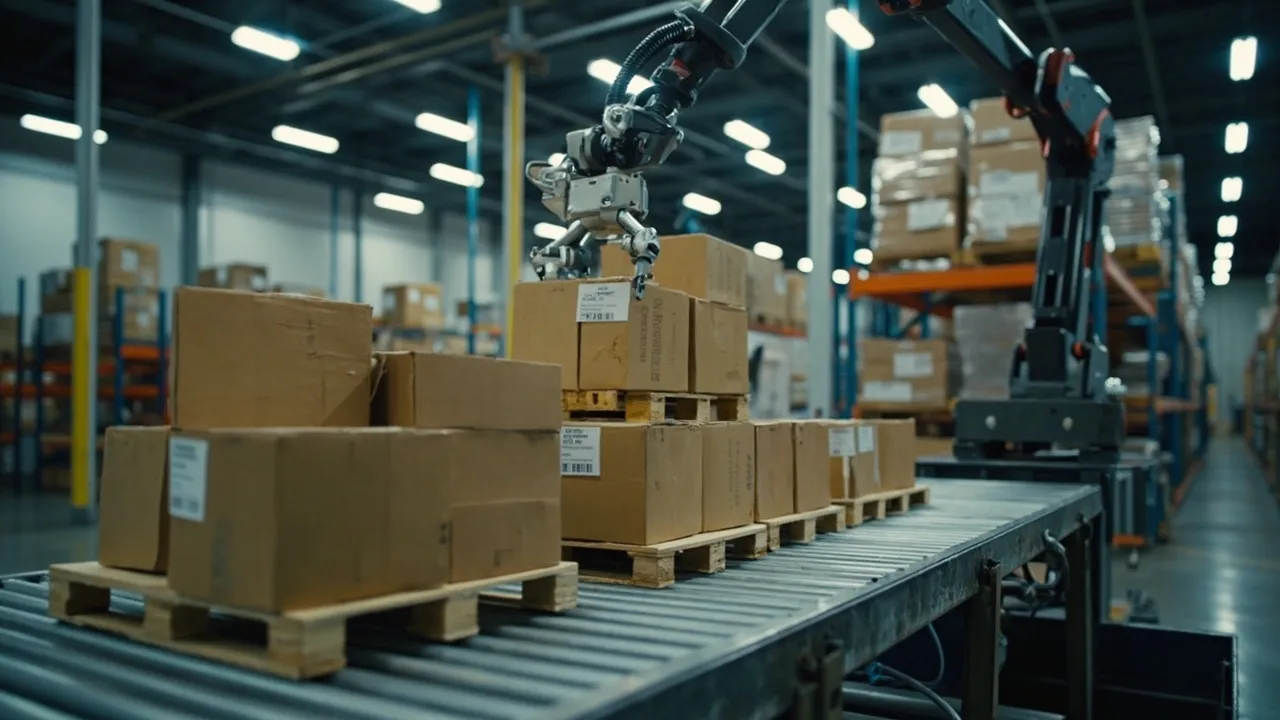
The robotic picking market is moving from selective pilots toward scaled warehouse deployment. According to Food Logistics, the market is forecast to grow from $1.7 billion in 2025 to $4.6 billion by 2030. That is nearly a threefold increase, supported by average annual growth of 22% as artificial intelligence improves and successful installations build operator confidence.
The headline number is impressive, but it does not answer the question warehouse leaders actually face: Where should automation begin?
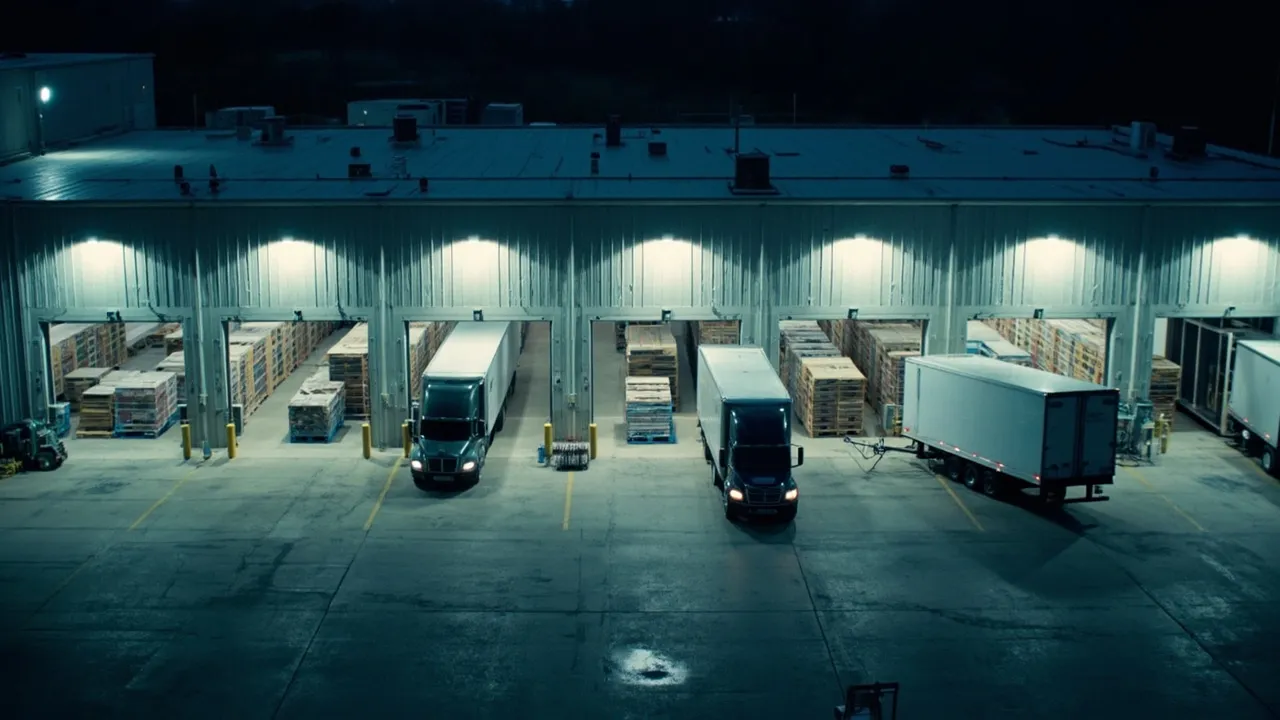
For many distribution operations, depalletizing is the most revealing first capacity test. It sits at the boundary between inbound transportation and warehouse execution, handles high physical loads, and exposes robots to the inconsistency of real freight. If automation can perform reliably there, operators gain both labor relief and a clearer view of what the rest of the fulfillment system must support.
Why pallet handling leads the opportunity
Robotic picking covers several applications, including item picking, case handling, palletizing, and depalletizing. The market is not growing evenly across all of them. Food Logistics reports that robotic palletizing and depalletizing represented the largest share of the market in 2025 and are expected to remain the largest opportunities through the forecast period.
That makes operational sense. Moving cases on and off pallets is repetitive, strenuous work with clear safety and labor implications. It also has more structure than many each-pick environments. A robot can operate within a defined cell, draw from a known inbound position, and place cases onto controlled conveyor or staging destinations.
Yet depalletizing is not easy. Inbound pallets may contain crushed cartons, leaning loads, reflective shrink wrap, inconsistent gaps, rotated labels, and mixed case sizes. These conditions turn a polished demonstration into a genuine capacity test. The objective should not be proving that a robot can lift a perfect box. It should be proving that the complete cell can sustain usable flow when freight is imperfect.
Test the freight profile before selecting the robot
A meaningful pilot begins with shipment data and physical samples, not a vendor's maximum picks-per-hour figure. Operators should build a representative test set across four dimensions.
SKU and case geometry. Measure the range of case lengths, widths, heights, weights, surfaces, and centers of gravity. Include bags, trays, open-top containers, and irregular packages if they appear in the actual flow. A gripper that performs well on uniform corrugated cartons may struggle when packaging changes.
Case condition. Test dented corners, bowed tops, loose tape, condensation, dust, damaged labels, and unstable stacking. Track the percentage of cases the vision and gripping system cannot handle without intervention. Exception frequency often matters more than nominal cycle speed.
Induction demand. Compare the robot's sustainable output with the receiving dock's actual arrival pattern. A cell rated for a strong average can still become a bottleneck when several trailers unload together. Test peak 15-minute and hourly demand, not only daily averages.
Exception labor. Define what happens when the robot cannot identify, grip, or place a case. Measure how long a worker takes to clear the fault, how safely the worker enters the cell, and how quickly automation resumes. A small exception rate can consume substantial labor if every recovery is slow.
The result should be a capacity envelope: the combinations of package type, condition, arrival rate, and exception rate under which the cell meets the operation's service target.
Measure flow, not isolated robot speed
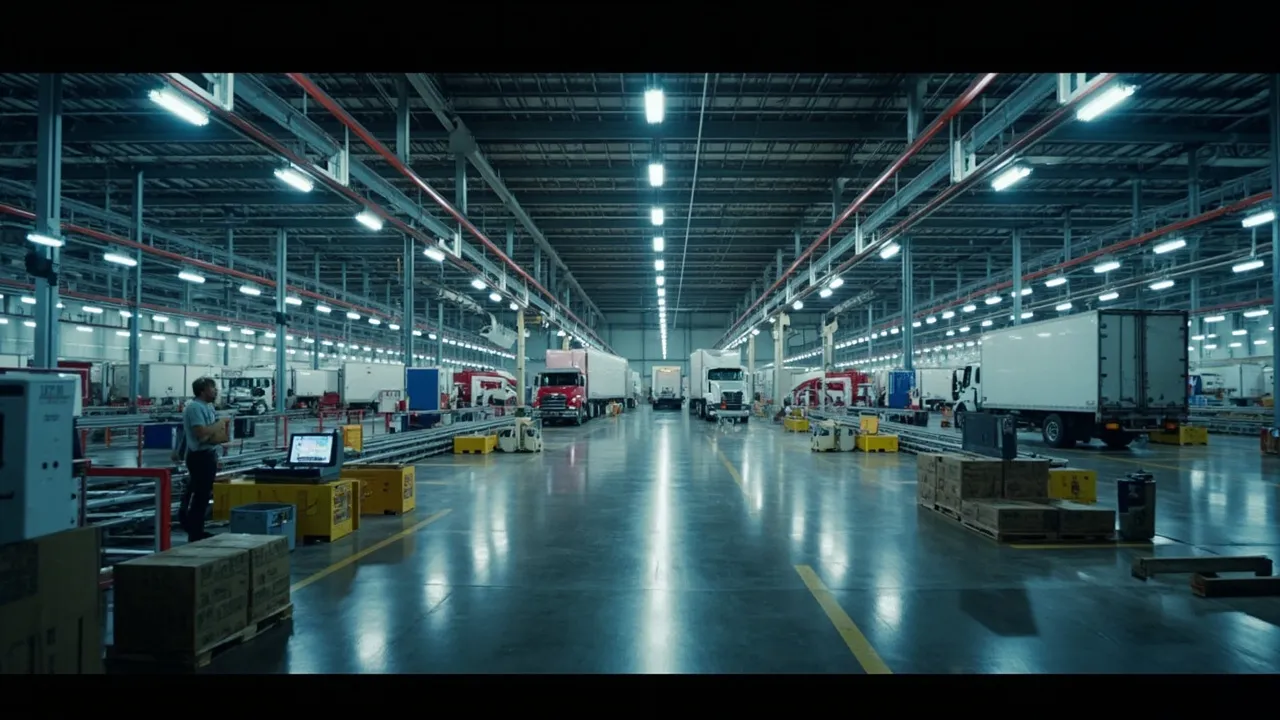
A robotic arm is one component in a connected material-flow system. Its useful capacity is constrained by upstream pallet presentation and downstream conveyor space, scanning, sortation, and storage availability. For that reason, the most important performance measures go beyond raw picks per hour.
Track successful picks per operating hour, first-attempt grip rate, exception minutes, damage rate, cell availability, blocked time, and starved time. Blocked time reveals when downstream processes cannot accept more freight. Starved time shows when pallets or work instructions do not arrive fast enough to keep the robot productive.
MHI's guidance on selecting a robotic palletizing system similarly emphasizes anticipated capacity and throughput as well as integration with current automation and production systems. Those integration details determine whether rated robot performance becomes actual warehouse performance.
Connect the cell to WMS waves and transportation cutoffs
Depalletizing capacity has consequences far beyond receiving. Cases released from inbound pallets may replenish forward pick locations, feed cross-dock orders, or become available for outbound allocation. The warehouse management system must know what has been processed and where inventory is headed.
Start by aligning the robot's task queue with WMS priorities. A first-in, first-out sequence may be operationally simple but commercially wrong when one inbound pallet contains inventory needed for a same-day wave. The system should be able to prioritize urgent replenishment, cross-dock freight, and orders approaching carrier cutoff.
Next, translate robot throughput into time-based capacity. If an outbound wave requires 900 cases of replenishment before 2 p.m., the plan must include cell availability, expected exceptions, conveyor congestion, and travel to reserve or forward locations. Theoretical throughput with no allowance for disruption creates a false promise.
Transportation planning also belongs in the loop. Inbound appointment timing affects when pallets reach the cell, while outbound tender and loading deadlines determine when processed inventory creates value. CXTMS can help operations teams coordinate shipment milestones, dock schedules, and transportation cutoffs so warehouse automation is working against the same priorities as dispatch.
Build flexibility into the business case
Forecast growth does not remove implementation risk. SupplyChainBrain highlights the importance of automation that can respond to peak demand, labor variability, changing workflows, and growth without requiring a facility redesign.
For depalletizing, flexibility means validating more than today's easiest volume. Test the packaging changes, customer mix, seasonal peaks, and new lane profiles the operation expects over the system's life. Evaluate whether software models can be updated, grippers can accommodate new cases, cells can be replicated, and manual fallback can operate safely during maintenance.
The strongest business case is therefore not “robot versus worker” on a single shift. It is the value of reliable receiving capacity, lower injury exposure, more predictable flow, reduced damage, and improved cutoff performance across changing conditions.
The robotic picking market may nearly triple by 2030, but spending growth alone will not guarantee warehouse capacity. Depalletizing offers a disciplined place to start because it forces operators to confront real freight variability, exception handling, system integration, and time-critical flow. Prove those conditions first, and the next automation decision will rest on operating evidence rather than a showroom cycle rate.
Ready to connect warehouse execution with transportation priorities? Request a CXTMS demo to see how coordinated shipment visibility, dock milestones, and cutoff management can keep automated capacity focused on the freight that matters most.