RFID Meets Machine Vision: The Warehouse Accuracy Stack That Finally Closes Blind Spots

Warehouse automation has long had an uncomfortable gap: knowing that an item passed a checkpoint is not the same as knowing it was the correct item, in the correct quantity, in good condition, and headed to the correct location.
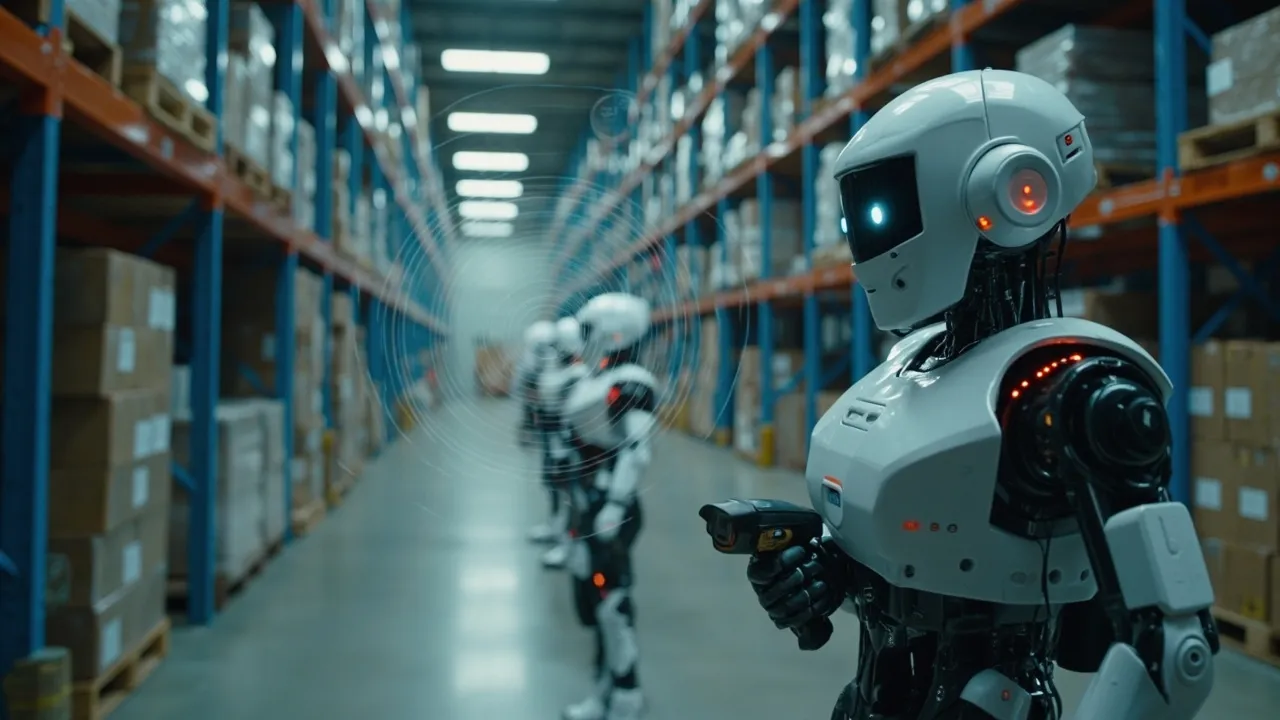
RFID and machine vision close different parts of that gap. RFID captures identity and movement without requiring line-of-sight scanning. Cameras and vision models validate what the physical load actually looks like. Used together, they create a richer event than either technology produces alone: the system can identify a pallet, count its cases, inspect its condition, confirm its location, and route exceptions before an error travels downstream.
The performance opportunity is substantial. Supply Chain Dive reports research showing that RFID can raise SKU-level inventory accuracy from an average of 63% to 95%. More recent deployments covered by SupplyChainBrain frequently exceed 98% to 99% accuracy, while inventory processes that once required days can be completed in hours.
Those figures do not make the business case automatic. They do show why warehouse leaders should stop treating RFID and vision as competing identification technologies and start evaluating them as complementary control layers.
Why the combination is practical now
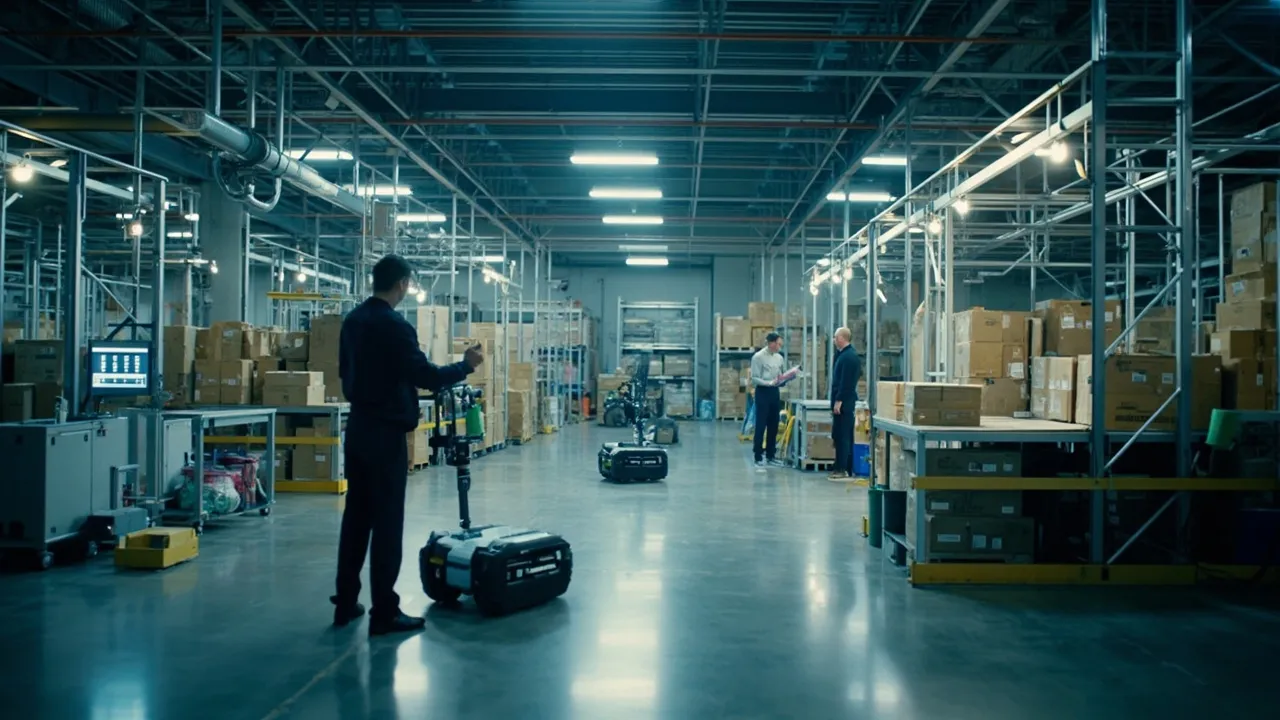
RFID economics have improved as tags have become less expensive and readers more capable. At the same time, camera hardware, edge computing, and vision models have become easier to deploy in busy industrial environments. A warehouse no longer needs to automate every aisle to capture value. It can instrument a small number of high-consequence control points—receiving doors, conveyor merges, pallet-build stations, and outbound portals—then expand from proven results.
The two technologies divide responsibilities cleanly.
RFID answers identity questions. Which tagged assets entered the reader zone? When did they cross it? Which purchase order, handling unit, or shipment should they belong to? Because multiple tags can be read at once without direct line of sight, RFID is suited to high-throughput movement events.
Machine vision answers physical-state questions. How many cartons are visible? Is the pallet leaning, crushed, overhanging, or missing stretch wrap? Is a label present and readable? Is the load in the expected lane or dock position? Modern Materials Handling notes that RFID portals can improve the speed and accuracy of receiving and putaway, while vision systems add a new dimension to operational visibility.
Together, they produce corroboration. If the RFID event says 48 tagged cases passed through a portal but vision detects 47 case-shaped objects, the workflow creates an exception instead of silently accepting one source as truth.
Four workflows with immediate value
Receiving
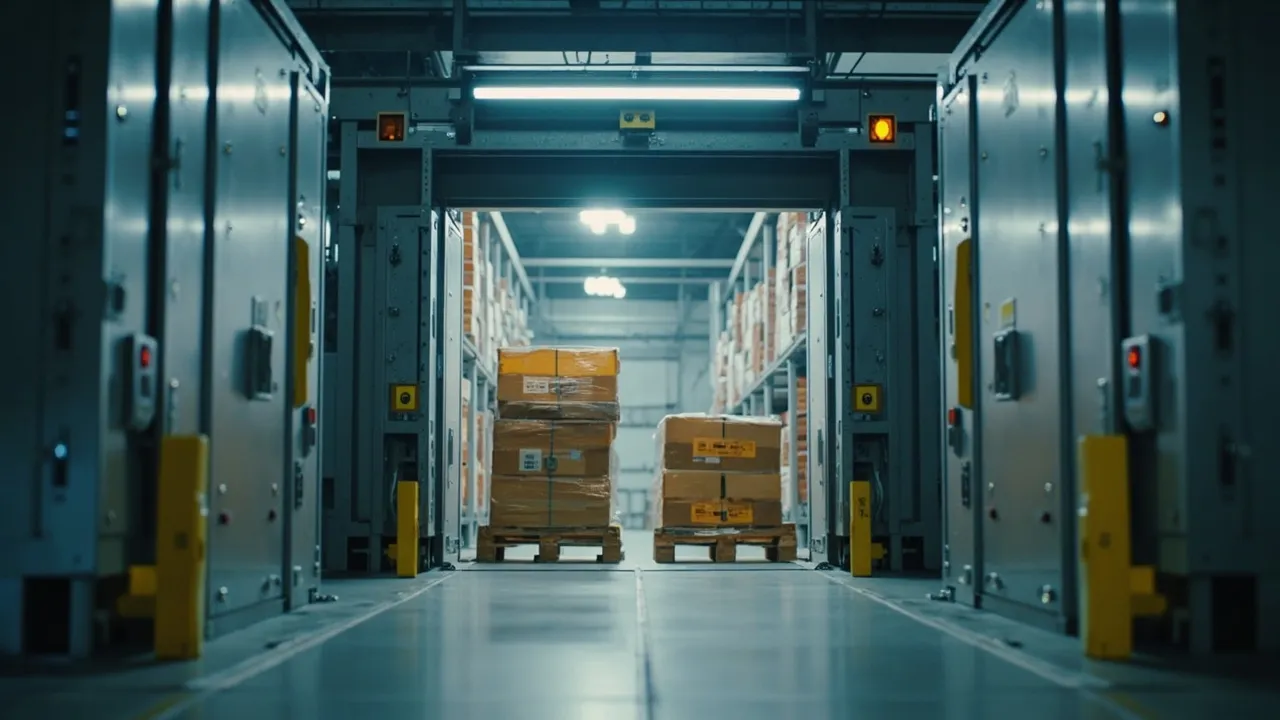
An inbound portal can associate detected tags with the advance shipment notice while cameras count cases, read visible labels, and capture damage evidence. Clean receipts can post automatically. Quantity mismatches, unexpected SKUs, or damaged packaging can be diverted to an inspection lane with images attached to the exception.
This reduces manual scanning without sacrificing control. It also gives purchasing and transportation teams time-stamped evidence when resolving shortages and claims.
Pallet verification
At a pallet-build station, RFID confirms which serialized cases belong to the handling unit. Vision validates the physical count, stacking pattern, dimensions, and load stability. The warehouse can prevent a pallet from being wrapped or released when the digital bill of materials and the visible load disagree.
Trailer loading
At the dock door, RFID identifies what crosses the threshold and vision confirms direction of travel, pallet condition, and door assignment. This matters because a perfect scan at the wrong door still creates a service failure. The combined event can block a misload before the trailer departs and preserve visual proof of load condition.
Returns
Returns contain more variation than outbound fulfillment. RFID can identify the original item or container, while vision classifies packaging condition, detects visible damage, and supports disposition decisions. Employees handle ambiguous cases rather than manually inspecting every unit.
Build around exceptions, not technology demonstrations
A pilot should begin with one operational failure worth preventing. “Install computer vision” is not a useful objective. “Reduce wrong-pallet shipments at doors 12 through 16” is measurable and forces the team to define the event, required data, decision latency, and recovery process.
The architecture should send normalized events to the warehouse management system rather than create another isolated dashboard. Each event needs a timestamp, location, shipment or handling-unit identifier, confidence score, expected result, observed result, and exception status. Images should be retained according to a deliberate policy because they may contain employees, carrier equipment, or customer information.
Exception ownership is equally important. If an alert appears but nobody is responsible for clearing it, automation merely produces a faster queue. Define who responds, how inventory is placed on hold, what evidence resolves the discrepancy, and when the load can resume its path.
The acceptance test that matters
Judge the pilot on operational outcomes over representative volume, product mix, packaging, and environmental conditions. At minimum, establish baselines and targets for:
- Read rate: Percentage of expected RFID identities captured at the control point
- False-positive rate: Percentage of clean movements incorrectly stopped
- Detection rate: Percentage of seeded count, condition, identity, and location errors caught
- Labor saved: Touch time eliminated per receipt, pallet, load, or return
- Exception resolution time: Minutes from detection to verified release or correction
Accuracy alone can mislead. A system that catches nearly every defect but stops one clean pallet in ten will damage throughput and employee trust. Conversely, a low-friction system that misses high-cost misloads has not created meaningful control. The correct threshold balances detection, false alarms, process speed, and the financial consequence of each error type.
Run the test through metal-heavy products, liquids, reflective wrap, variable lighting, crowded portals, damaged labels, and peak traffic. These conditions expose cross-reads and vision failures that a polished demonstration will not. Require vendors and operations leaders to agree on test data and pass criteria before deployment begins.
From warehouse accuracy to transportation execution
The greatest value appears when the verified warehouse event travels with the shipment. An outbound load confirmed by RFID and vision can update shipment status, validate the manifest, release the trailer, and create an evidence package for downstream exceptions. Transportation planners gain confidence that “loaded” describes a verified physical event, not merely a completed screen transaction.
That is the real warehouse accuracy stack: identity from RFID, physical validation from vision, orchestration from warehouse systems, and shipment execution from the TMS. Each layer covers a blind spot in the others.
Ready to connect verified warehouse events with load planning, carrier execution, and shipment visibility? Request a CXTMS demo to see how CXTMS turns accurate facility events into dependable transportation workflows.