Reefer Pre-Trip Inspection Data Belongs in the Cold-Chain Custody Record

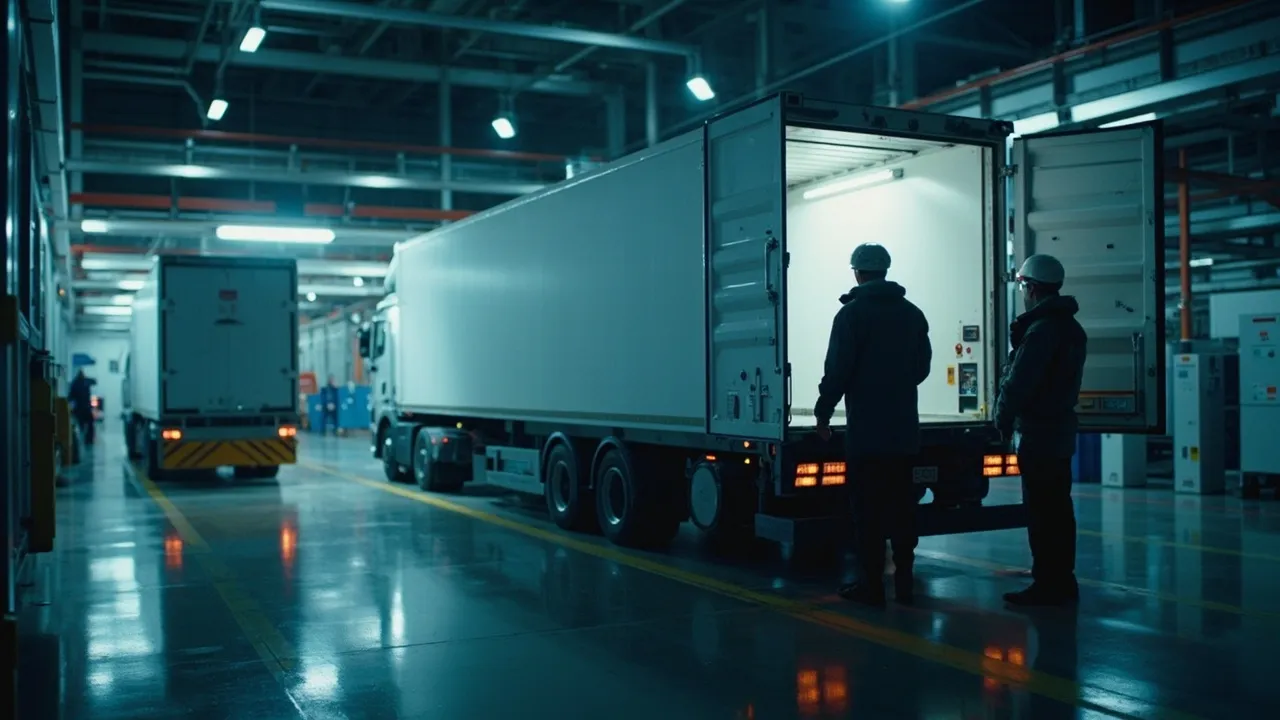
A completed reefer pre-trip inspection can look reassuring and still leave a shipper exposed. A checkbox confirms that someone performed a task. It does not necessarily prove which refrigeration unit was tested, what condition it was in, whether it reached the required setpoint, or who accepted an exception before loading.
For temperature-sensitive freight, that evidence belongs in the same custody record as the shipment. The pre-trip inspection, or PTI, is not merely a maintenance event. It is the first control point in the transportation cold chain.
The Cold Chain Starts Before the Doors Close
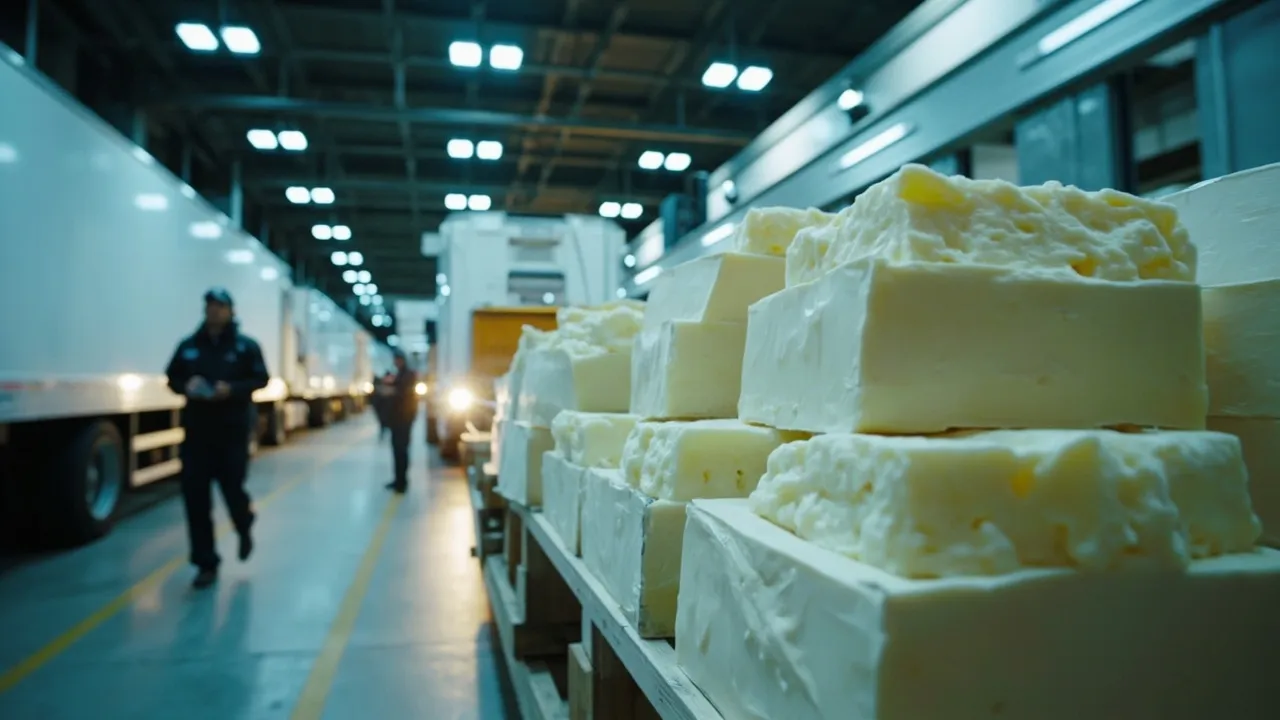
A reefer unit is designed to maintain cargo temperature, not rapidly remove field heat from warm product. That distinction makes pre-cooling and loading temperature critical. If product enters the trailer outside its permitted range, a functioning refrigeration unit may never recover the load quickly enough.
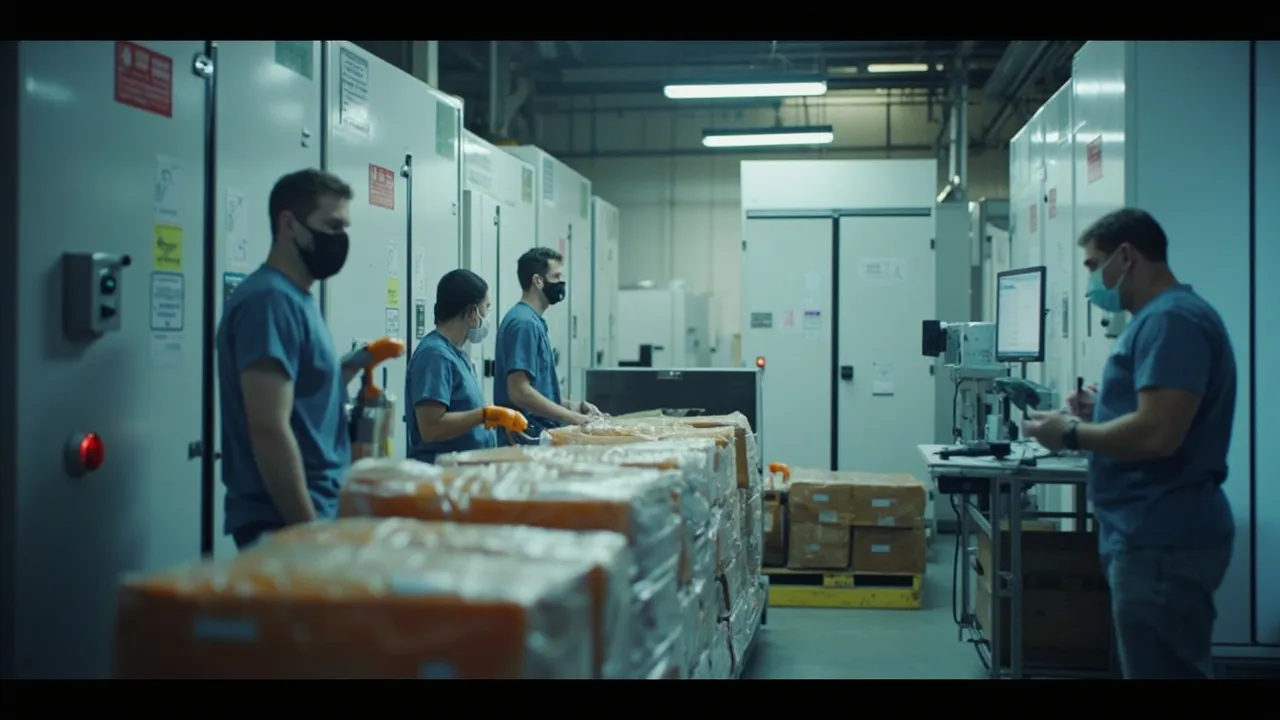
Food Logistics recommends lowering produce to its ideal shipping setpoint before loading, then checking, verifying, and documenting temperature to begin the cold-chain custody record. The same guidance calls for inspection of trailer insulation, because damaged walls, seals, or doors can undermine an otherwise healthy refrigeration unit.
That creates four separate questions before release:
- Was the commodity pre-cooled to its required loading range?
- Did the trailer and refrigeration unit pass inspection?
- Was the box pulled down to the shipment setpoint?
- Did an authorized person accept the equipment and temperature evidence?
If any answer exists only on paper, in a text message, or in a driver's memory, the shipment record is incomplete.
A Passed Checklist Is Not the Same as Condition Data
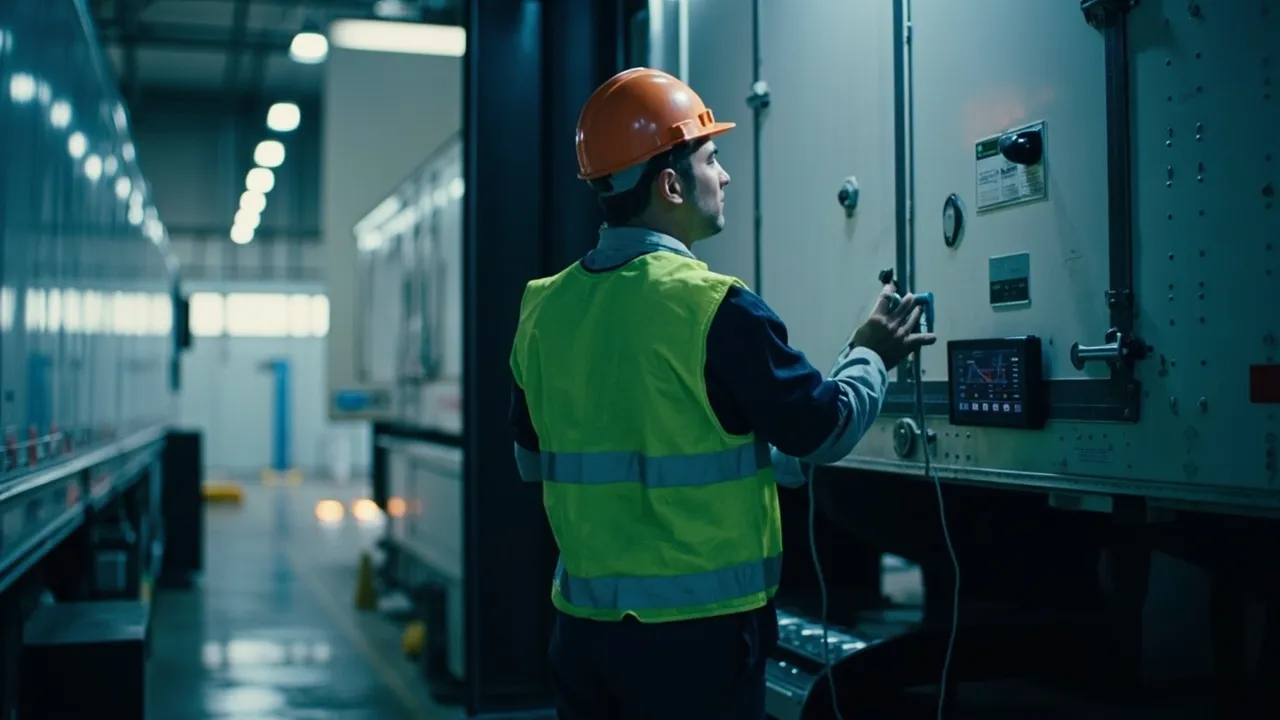
The depth of a modern PTI illustrates the problem. An earlier Food Logistics report described a system capable of performing 15 critical tests during a complete pre-trip inspection. A single “PTI passed” field compresses all of that diagnostic evidence into one unhelpful status.
A machine-readable PTI record should retain the test timestamp, refrigeration-unit identifier, software or test profile, individual test results, fault codes, measured values, and final disposition. It should also identify the technician or driver and preserve any supporting photo or diagnostic file.
This matters when a temperature excursion occurs. The operations team should be able to determine whether the refrigeration system was healthy at origin, whether an active fault was cleared, and whether a later failure developed in transit. Without detailed PTI evidence, every claim becomes an argument about an undated checklist.
Connect Equipment, Commodity, and Acceptance
The PTI record becomes useful when it is linked to the actual move. At minimum, one shipment record should connect:
- Tractor, trailer, container, and refrigeration-unit IDs
- Commodity and its permitted temperature range
- Shipper-requested setpoint and operating mode
- PTI completion time, results, faults, and evidence
- Trailer air temperature and product loading temperature
- Seal number, loading completion, and departure time
- Driver acceptance and dispatcher release
Temperature readings need context as well. A sensor value without a device ID, location, calibration status, and timestamp is weak evidence. Technology can deliver meaningful precision: Food Logistics has reported a yard and reefer monitoring device with an integrated digital sensor accurate to 0.5°C. But precision only helps if the reading is attached to the correct equipment and shipment.
The same principle applies after departure. Food Logistics' food-safety guidance recommends automatically capturing trip-temperature data for quality verification and for resolving questions about rejected loads. The custody record should therefore continue from PTI through loading, transit, delivery, and receiver acceptance rather than splitting those events across unrelated systems.
Define Stop-Load Rules Before a Failure
A failed inspection should trigger a controlled decision, not a hurried dockside negotiation. The TMS can apply stop-load rules when the refrigeration unit reports a critical fault, the trailer cannot reach setpoint within the allowed time, insulation or door seals fail inspection, the product is outside its loading-temperature range, or required PTI evidence is missing.
Each rule needs an owner and a permitted response. Maintenance may clear a technical fault and rerun the full PTI. Quality assurance may approve a commodity-specific temperature deviation. Dispatch may substitute another trailer. The shipper may authorize a revised setpoint, but that authorization should be documented rather than relayed verbally.
An override should record who approved it, when, why, the measured condition, the commercial or food-safety basis, and any added monitoring requirements. Some failures should never allow an override. A stop-load matrix makes that boundary explicit before schedule pressure distorts the decision.
Turn PTI Evidence Into Operational Control
Structured PTI data improves more than claims defense. It lets teams identify recurring fault codes, trailers that frequently miss pull-down targets, facilities with repeated loading-temperature exceptions, and carriers that submit incomplete inspection evidence. Those patterns can guide preventive maintenance, carrier scorecards, dock procedures, and equipment allocation.
It also gives customer service a defensible answer. Instead of saying that the driver completed a checklist, the team can show that a named unit passed defined tests at a specific time, the trailer reached the required setpoint, the product loaded within tolerance, and continuous monitoring followed the load to delivery.
Cold-chain custody should begin with verified readiness, not with the first in-transit temperature ping. When PTI results, equipment identity, commodity limits, loading conditions, and acceptance live together, teams can prevent unsafe loads from moving and resolve exceptions with facts.
CXTMS connects shipment execution, equipment records, documents, milestones, and exception ownership in one workflow. Schedule a CXTMS demo to see how structured cold-chain controls can replace disconnected checklists and create an auditable custody record from pre-trip inspection through delivery.