Produce Rejection Risk Belongs in the Load Tender

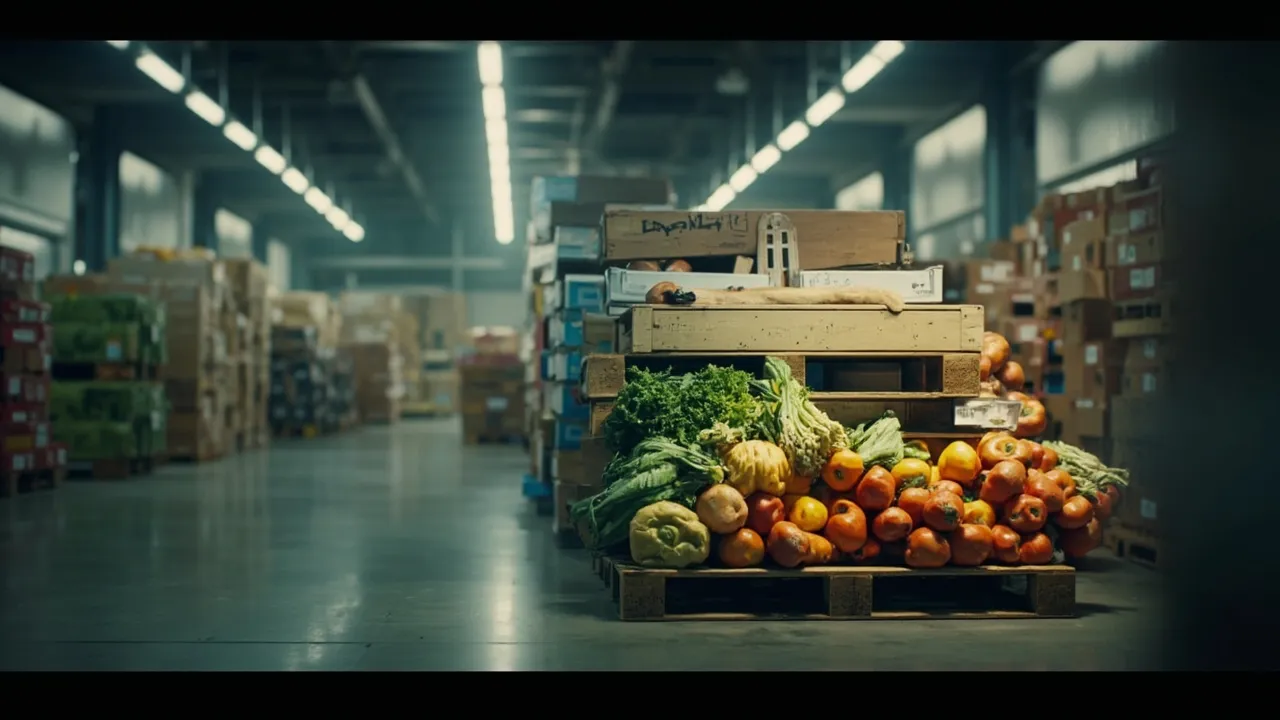
A produce load should not receive a destination simply because inventory is available and a truck is ready. It should receive the destination where its remaining quality, transit exposure, and buyer specification create the best chance of acceptance. That decision belongs in the load tender, before freight begins consuming time and shelf life.
The commercial case is becoming harder to ignore. FreightWaves reported that Loamy raised a $6 million seed round for technology designed to identify produce likely to miss a buyer's specification weeks before shipment. The company says its platform has cut product rejections in half for growers, packers, and distributors. The important idea is bigger than one model: quality risk can become an operating input rather than a surprise at the receiving dock.
A shipment can be compliant and still be a bad match
Traditional tendering answers transportation questions: origin, destination, pickup window, equipment, temperature set point, rate, and carrier. Produce adds a biological clock. Two pallets of the same commodity and grade may have different useful lives because of harvest timing, field heat, maturity, handling, pre-cooling, dwell, and temperature history.
Buyer requirements also differ. A retailer supplying distant stores may need more remaining shelf life than a nearby food-service buyer. One customer may accept cosmetic variation but enforce firmness tightly; another may tolerate maturity while rejecting discoloration. Treating both orders as interchangeable invites a rejection even when the product remains saleable elsewhere.
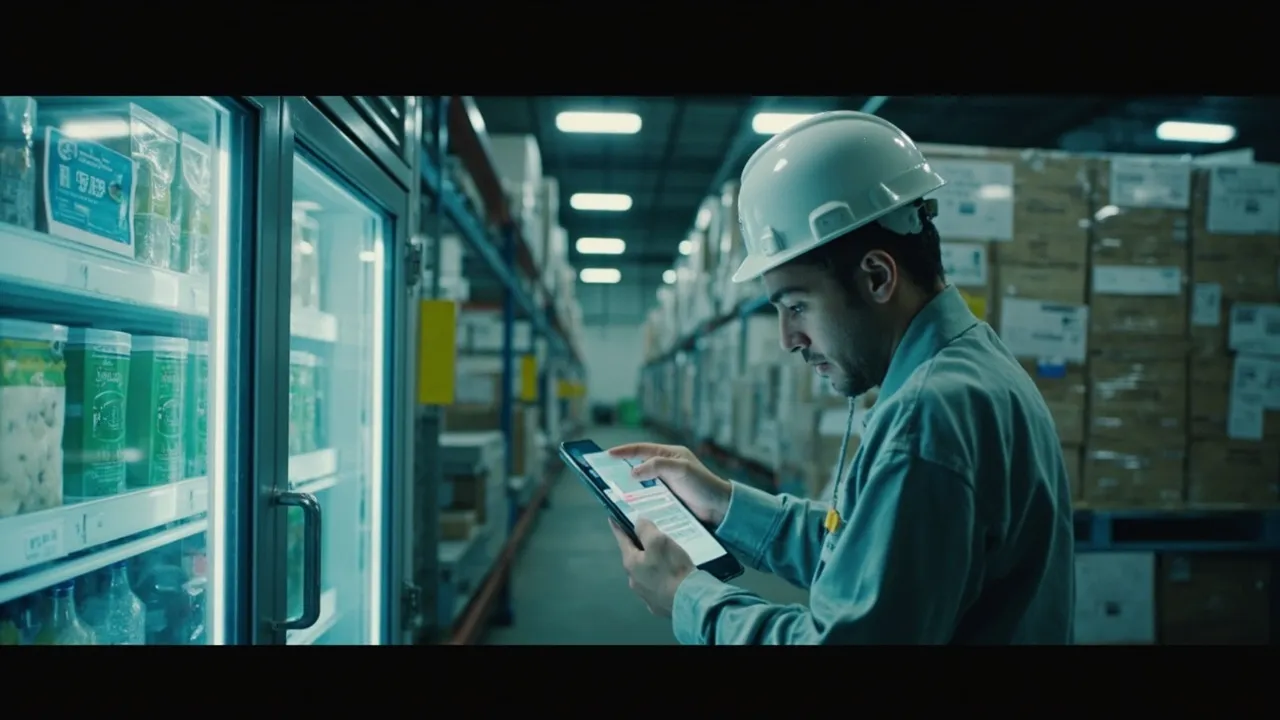
The tender should therefore carry a quality-risk record. At minimum, it should combine harvest or pack date, lot and grower, pre-cooling completion, temperature history, inspection evidence, current condition, expected transit time, appointment risk, and the receiving buyer's specification. Those fields create a defensible answer to a basic question: is this lot suitable for this journey and this customer now?
Put the risk score before carrier acceptance
A prediction that appears after dispatch is an alert. A prediction available at tender can change the plan. Before a carrier accepts the load, the transportation workflow should compare estimated arrival condition with the buyer's minimum specification and place the shipment into a clear decision band.
A low-risk load can proceed through the standard refrigerated route. A moderate-risk load may require team service, a direct move, priority loading, a tighter appointment, or a carrier with verified reefer performance. A high-risk load should trigger a commercial decision instead of an optimistic dispatch.
That decision might send the lot to a closer buyer, a processing customer, a rework facility, or a secondary market. It might split the inventory so only the strongest pallets take the longest journey. In some cases, the best action is to hold the tender until a new inspection confirms condition. The goal is not to reject freight automatically; it is to preserve optionality while the product still has value.
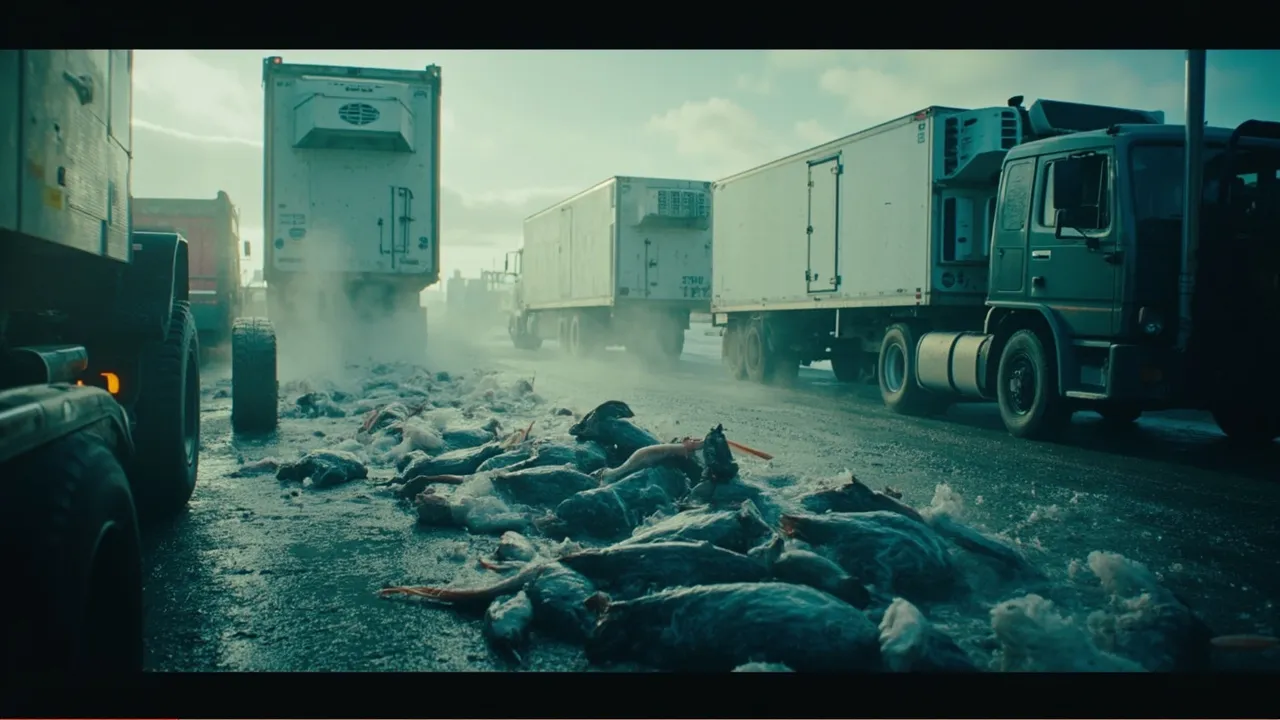
Temperature data is essential, but it is not sufficient alone. A reefer set point shows what the unit was instructed to do, not necessarily what the product experienced. Tender logic should distinguish return-air readings, pulp temperatures, sensor location, door events, pre-trip evidence, and accumulated time outside tolerance. It should also account for the fact that deterioration may continue even after temperature returns to range.
The scale of the opportunity extends well beyond individual claims. Food Logistics summarized University of Michigan research finding that nearly half of the 1.3 billion tons of food wasted globally each year could be prevented through fully refrigerated food supply chains. Better refrigeration protects the product; quality-aware tendering ensures the protected product is also matched to a viable trip and buyer.
Build evidence for acceptance and diversion
Inspection evidence must be usable, not buried in email or stored as disconnected photos. Capture the inspection time, location, lot, pallet sample, defect type, severity, measurement method, and inspector. Link photos and certificates to the shipment record with timestamps. If a model produces a risk level, retain the inputs and version that generated it.
This evidence supports two outcomes. First, it helps operations choose the right route before departure. Second, it establishes what condition was known at handoff when a buyer later rejects the load. The record should preserve each decision: who approved the tender, which exception was accepted, what corrective action was requested, and whether the carrier completed it.
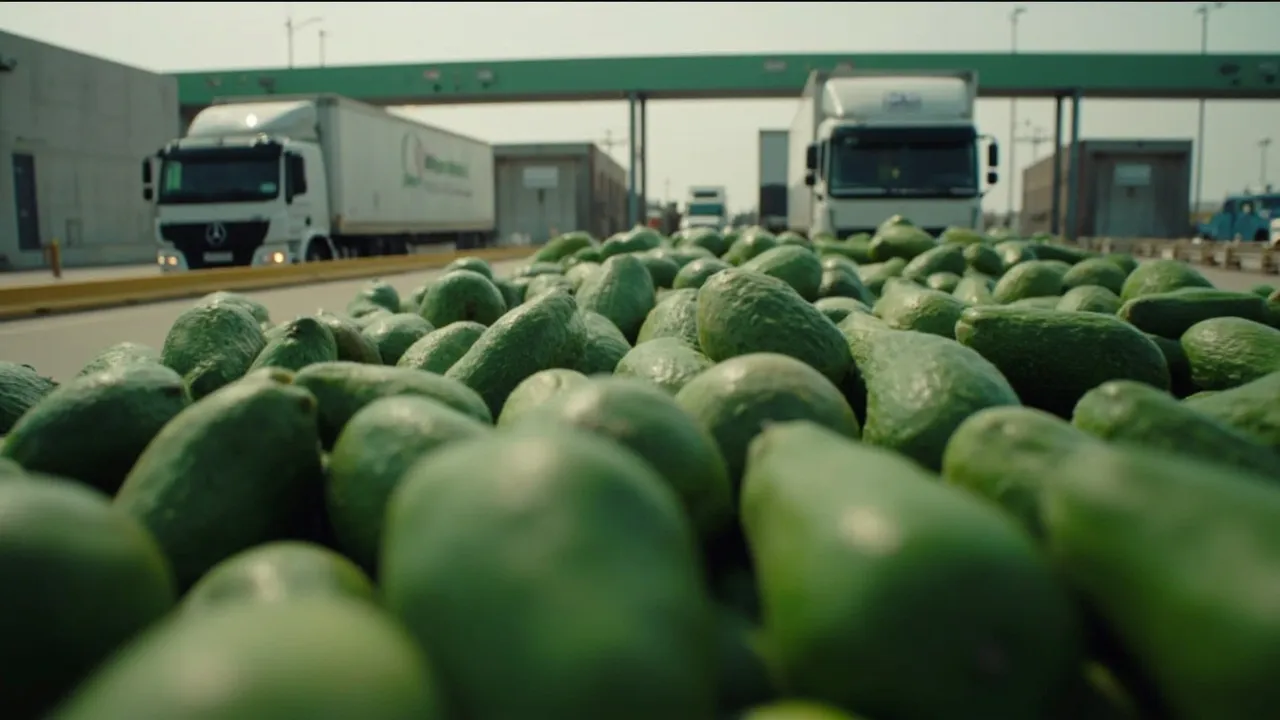
Quality risk is not limited to ripeness or temperature. Phytosanitary findings can eliminate the intended market altogether. In a separate report, FreightWaves documented the destruction of more than 52 tons of avocados after Mexican authorities found agricultural pests in shipments intended for export. A tender gate should verify required inspection and release status alongside commercial quality, especially for cross-border moves.
Measure recovered margin, not model accuracy alone
Prediction accuracy matters, but it is not the operating result. A model can label risk correctly and still create no value if the warning arrives too late, no alternate buyer exists, or the team ignores it. The scorecard should connect predictions to actions and financial outcomes.
Track buyer rejection rate by commodity, grower, facility, lane, buyer, and carrier. Measure avoided rejection cost, redelivery and disposal expense, claims, markdowns, food waste, and margin recovered through diversion. Add operational measures such as time from risk alert to decision, percentage of flagged loads rerouted before dispatch, and acceptance rate after intervention.
Teams should also examine false positives. Diverting healthy product to a discounted secondary market destroys margin. Use actual receiving results to recalibrate thresholds by commodity and customer rather than forcing one universal rule. A risk band should guide a documented decision, not replace experienced quality and operations teams.
The strongest workflow closes the loop. Arrival inspection updates the lot history; buyer acceptance or rejection becomes an outcome; claims and recovered proceeds attach to the shipment; and the next tender benefits from the evidence. Over time, planners learn which lanes, dwell points, carriers, and buyer combinations consume the most remaining life.
Perishable transportation is not only about maintaining a temperature. It is about spending a finite quality window intelligently. When quality risk enters the tender, logistics teams can act before a preventable rejection becomes a claim, a disposal bill, and a lost customer.
CXTMS helps logistics teams connect quality evidence, buyer requirements, carrier performance, tender rules, and exception decisions in one workflow. Request a CXTMS demo to see how risk-aware tendering can protect perishable margin before the truck departs.