Port Strike Averted: How to Unwind Contingency Capacity Without Losing It

The immediate strike threat at the ports of Los Angeles and Long Beach has receded, but that is not the same as returning to normal. Shippers that activated alternate gateways, bought extra drayage capacity, advanced imports, or increased safety stock now face a second operational challenge: dismantling those protections without creating new cost and service failures.
FreightWaves reported that the Pacific Maritime Association and International Longshore and Warehouse Union Local 26 reached a tentative agreement covering about 250 watchmen at the two ports. That removes the immediate walkout risk. The agreement still requires ratification, however, so the right response is a controlled drawdown—not a same-day cancellation of every contingency.
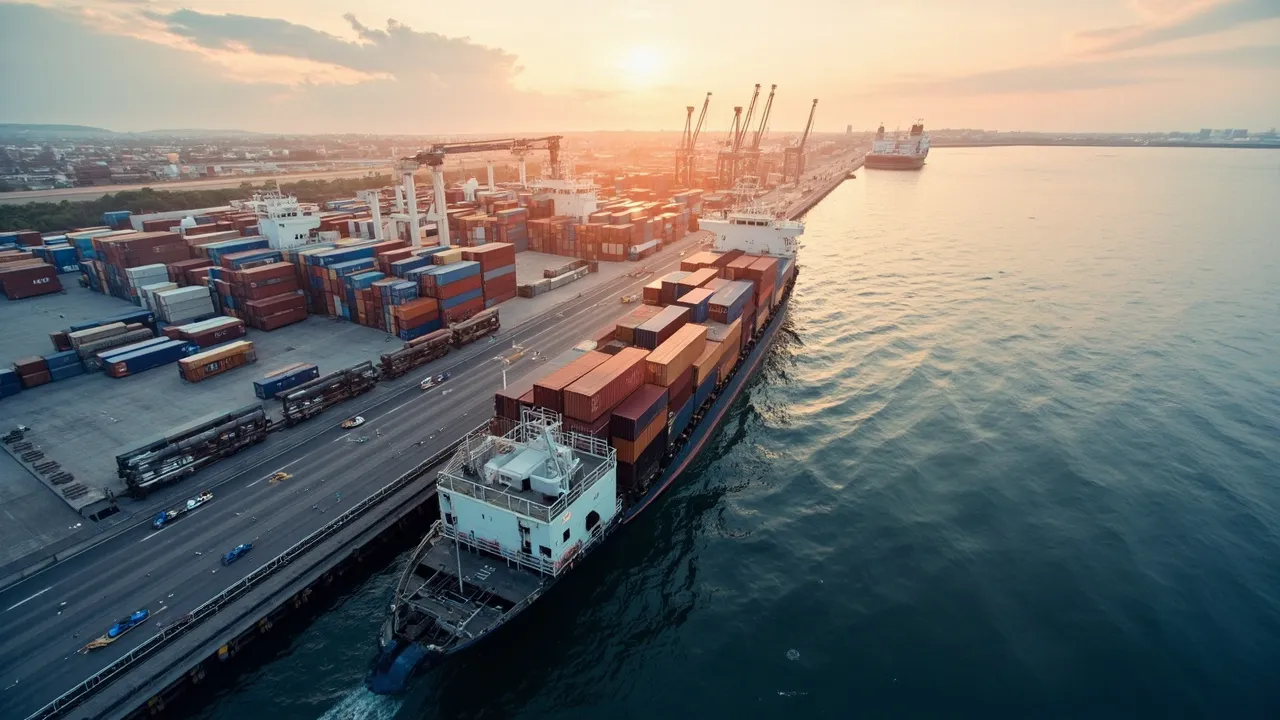
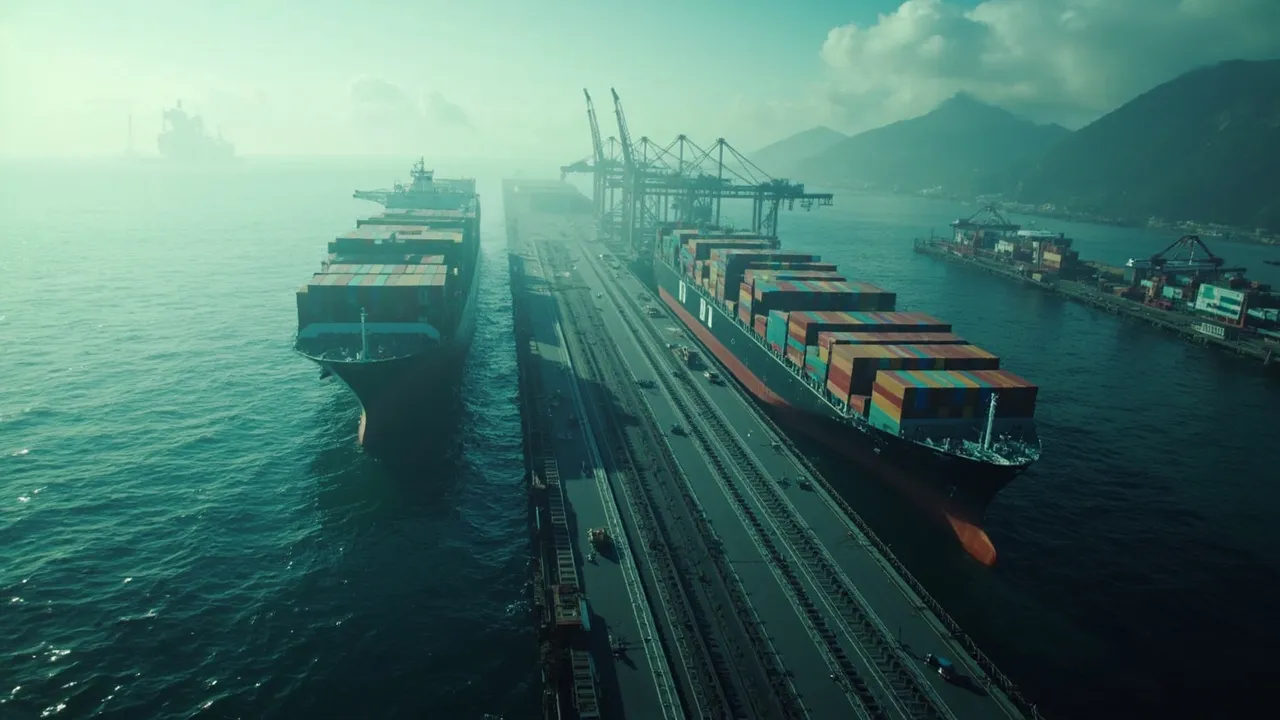
The stakes are large even when the bargaining unit is relatively small. Los Angeles and Long Beach together handle about 31% of U.S. ocean trade, according to Reuters. A disruption affecting access, security, or terminal operations can therefore propagate into vessel schedules, rail connections, warehouses, and inland truck capacity.
Establish what changed—and what did not
The tentative deal changes the probability of an immediate stoppage. It does not guarantee a ratification date, erase congestion already created by defensive booking decisions, or release a shipper from contracts signed elsewhere.
Before reversing anything, establish a decision clock with three gates:
- Agreement announced: stop adding new contingency capacity unless a shipment has a documented service or inventory risk.
- Ratification scheduled or confirmed: begin releasing reversible options and restore normal routings in measured waves.
- Stable operations verified: close temporary arrangements after port, rail, drayage, and warehouse performance remain within agreed thresholds for several operating days.
Each gate should have an owner and evidence requirement. Procurement may own cancellation decisions, while transportation operations validates appointment availability and inventory planning confirms whether early-arriving goods have changed demand coverage. Without this structure, departments can act on different interpretations of “strike averted.”
Build a complete contingency inventory
Start with every commitment made because of the labor threat, not merely the ocean bookings. The exposure often sits in linked services that are easy to overlook.
For each affected shipment or purchase order, record the original gateway, current gateway, carrier and voyage, latest cancellation date, change fee, free-time terms, inland mode, drayage provider, warehouse destination, and required delivery date. Then add related capacity: transload appointments, chassis reservations, rail slots, drop-yard space, temporary labor, and expedited truck coverage.
Inventory policy belongs in the same review. Advanced orders may have increased weeks of supply at destination. That stock could reduce near-term import requirements, but it could also create storage, markdown, or obsolescence exposure. A contingency ledger should therefore connect the transportation commitment to the purchase order and expected inventory position.
The market argues for caution when releasing trucks. FreightWaves expects holiday tender rejections could exceed 14% as low inventories prompt last-minute shipping demand. In another recent reading, national truckload rejections were 12.8%, roughly double the prior year's 6%. A shipper that cancels backup drayage or inland capacity today may have to repurchase it at a premium next week.
Unwind in order of reversibility
Do not cancel all alternate arrangements simultaneously. Sequence the unwind from the least committed and easiest to replace capacity to the most operationally consequential.
First, freeze new diversions. Keep already-booked freight on its current routing when changing it would trigger penalties, missed sailings, or additional handling. The sunk cost of an alternate route may be lower than the combined change fee and service risk of moving it back.
Second, release unused options before firm commitments. These may include unconfirmed drayage requests, provisional warehouse labor, tentative transload windows, or bookings still inside a no-fee cancellation period. Capture the avoided cost so the contingency program can be evaluated later.
Third, phase future bookings back to Los Angeles–Long Beach by arrival week. For example, restore 25% of eligible volume after the first decision gate, 50% after ratification, and the remainder only after operating metrics stabilize. The exact percentages matter less than using explicit gates rather than intuition.
Fourth, retain a small amount of alternate capacity through the risk window. It can cover a failed ratification, a backlog-driven delay, or a holiday truck shortage. Negotiate a defined expiration instead of allowing temporary premiums to continue indefinitely.
Finally, normalize safety stock through purchasing and demand planning, not emergency freight. Pause or reduce selected replenishment orders where inventory coverage is excessive. Avoid using slower transport indiscriminately; a freight saving can disappear if it creates shortages in a different SKU or region.
Score every cancellation and rebooking
A sound decision compares the cost of keeping the contingency with the cost and risk of reversing it. At minimum, include:
- cancellation, amendment, and no-show fees;
- ocean and inland rate differences;
- additional handling and transload cost;
- detention, demurrage, and storage exposure;
- appointment and transit-time effects;
- probability and consequence of renewed disruption; and
- inventory carrying cost or stockout risk.
Use a shipment-level decision, because a portfolio average hides critical differences. A low-margin replenishment with six weeks of stock can tolerate a different decision from a production component with two days of cover.
Track service as closely as cost. Port of Los Angeles volume exceeded 1 million TEUs in June 2026, up 12% year over year, according to Logistics Management. That scale means even a modest wave of rebookings can pressure appointments and inland connections. Watch terminal dwell, appointment availability, container availability, rail departure reliability, and drayage acceptance before advancing to the next release gate.
Preserve the playbook, not just the invoices
The unwind should leave the organization better prepared for the next disruption. Retain the trigger that activated each action, approval time, provider response, committed cost, cancellation deadline, actual outcome, and avoided loss. Record which alternate gateways and carriers performed as promised.
Then convert the record into a reusable template: named owners, decision dates relative to a strike deadline, prequalified alternatives, rate-validity windows, minimum volume commitments, and shutdown rules. Providers that supplied dependable capacity should receive a planned share of routine freight where practical; a relationship used only during emergencies is difficult to preserve.
CXTMS gives transportation teams one place to connect purchase orders, bookings, alternate routes, carrier commitments, milestones, costs, and approvals. That shared record makes it easier to unwind contingencies deliberately while preserving the evidence needed for the next event.
Request a CXTMS demo to see how structured exception workflows can turn a one-time port response into a repeatable contingency plan.