Two Million-TEU Months in a Row: Convert Port Records Into Inland Capacity Reservations


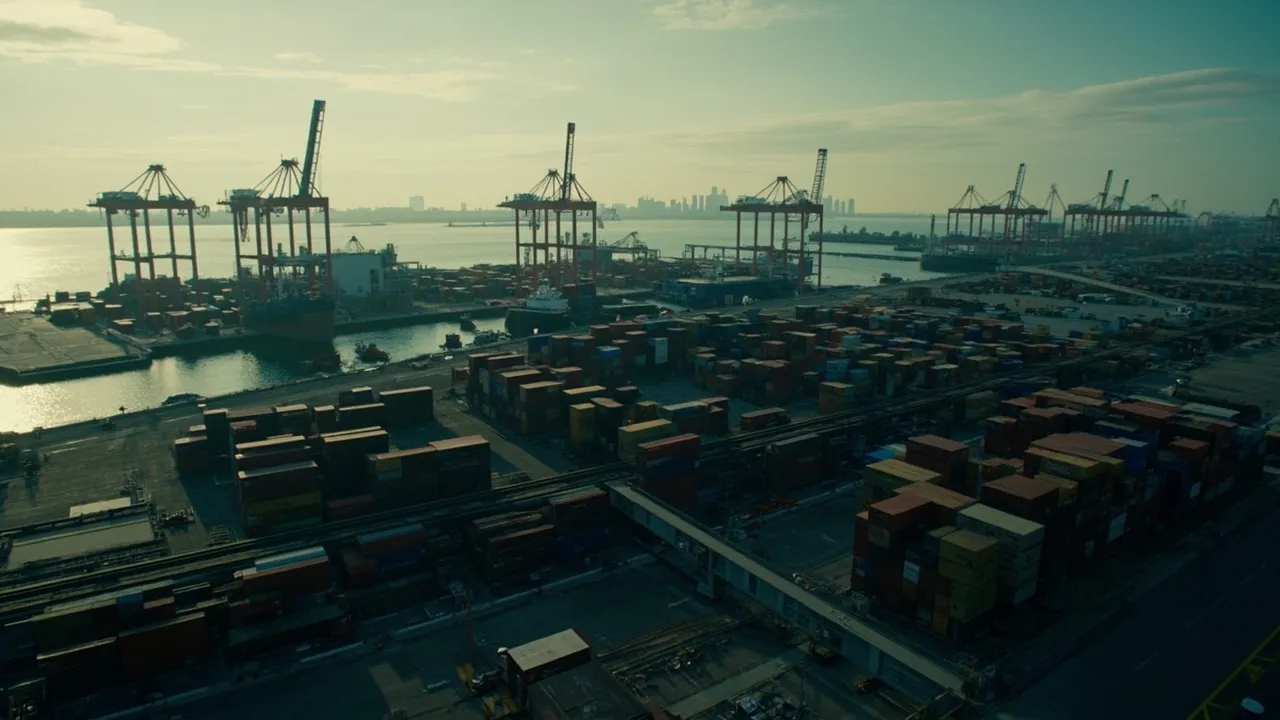
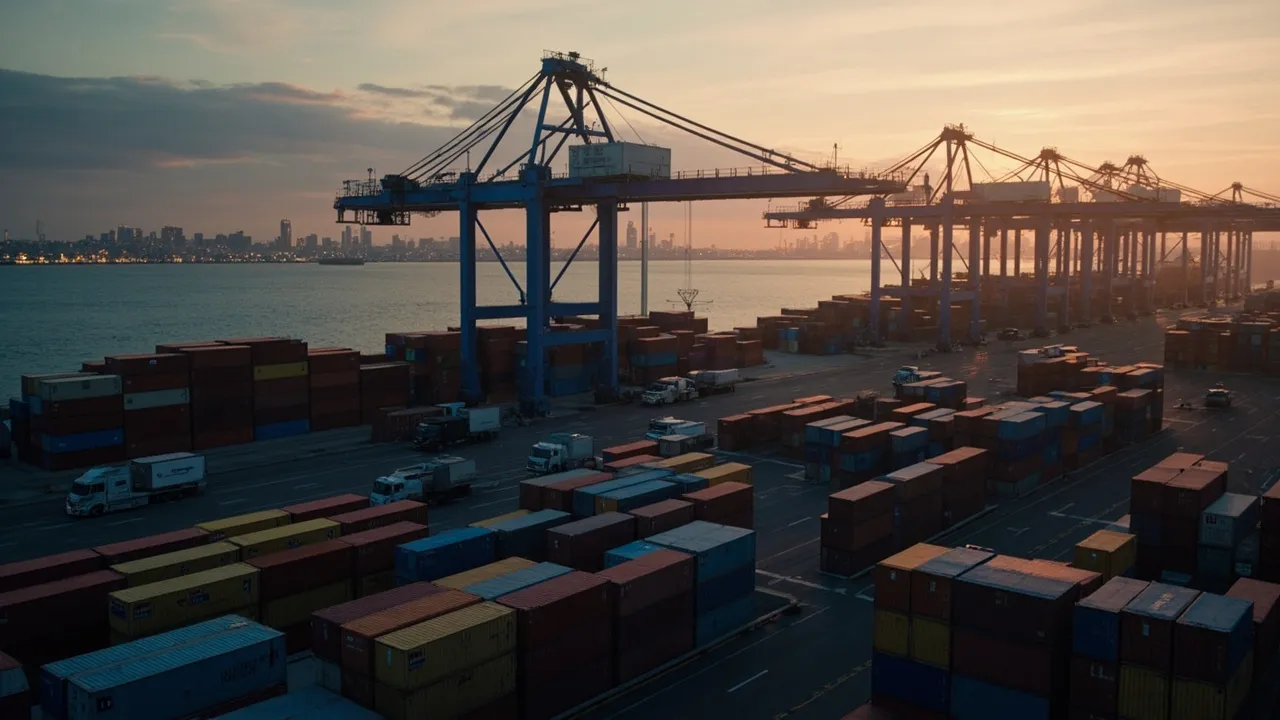
The Port of Los Angeles has crossed a threshold that should change how importers plan inland transportation. It handled 1,026,872 TEUs in October 2026, a record for the month and the second-highest monthly total in its history. October followed September's all-time monthly record, giving the port its first consecutive months above one million TEUs and its third million-TEU month of the year, according to SupplyChainBrain.
That headline is impressive, but it is not itself a capacity plan. A TEU total aggregates loaded imports, exports, and empty containers over an entire month. Inland operators need to know when specific import boxes will be discharged, made available, cleared, mounted on chassis, transferred to rail, and received at warehouses. Those milestones determine whether drayage, rail, labor, and yard reservations are aligned with the real workload.
A Port Record Is a Signal, Not a Schedule
Los Angeles is not operating in isolation. The neighboring Port of Long Beach moved more than 7.6 million TEUs in the first nine months of 2026, nearly 4% above the same period in 2025, SupplyChainBrain reported. Combined Southern California volume can strain the same regional pool of chassis, drivers, rail slots, transload space, and warehouse labor.
The operational mistake is to translate a 10% increase in vessel arrivals into a blanket 10% increase in every downstream resource. Cargo does not flow evenly. One vessel may discharge boxes that clear quickly and move by truck, while another carries rail cargo that waits for assembly. Customs holds, appointment availability, chassis supply, and warehouse receiving hours reshape the curve after discharge.
Importers should therefore treat the port total as an early warning and build reservations from shipment-level events. The relevant forecast is not simply containers arriving by day. It is containers expected to become actionable by day and mode.
Build a Release Curve From Five Milestones
A practical inland plan starts with five connected timestamps:
- Discharge and import availability. Estimate when each container will be grounded and available after terminal processing, not merely when the vessel reaches berth.
- Rail readiness and dwell. Separate on-dock rail cargo from local delivery freight. Track grounding, train assignment, cutoff, departure, and any box that rolls to a later train.
- Chassis availability. Match expected pickups with the right chassis type and pool. A drayage appointment without usable equipment is not executable capacity.
- Drayage appointments. Reserve by terminal, shift, and realistic turn time. Protect room for recovery moves when availability changes late.
- Warehouse receipts. Confirm dock doors, labor, yard space, and receiving windows before dispatch. Moving a container out of the terminal only to create congestion at the destination shifts the problem rather than solving it.
These events form a release curve: the cumulative number of containers that can actually move into the inland network over time. Capacity reservations should follow that curve. If 600 containers discharge on Monday but only 180 are forecast to become available Tuesday, reserving 600 Tuesday drayage moves wastes capacity and can trigger cancellations or dry runs.
Reserve Capacity in Layers
High-volume periods reward a layered reservation strategy. Start with a committed baseline for freight that has stable release signals and hard customer deadlines. Add a flexible band for containers likely to clear within the planning horizon. Keep a smaller recovery band for missed trains, holds released unexpectedly, rejected appointments, or rolled warehouse receipts.
For drayage, that can mean contracting core daily turns while maintaining prequalified overflow carriers by terminal. For rail, it means confirming allocation by lane and tracking actual train assignments rather than assuming every booked container departs as planned. For warehouses, it means reserving labor and doors in shifts, with rules for moving work between shifts when release timing changes.
Reservations should also reflect the combined gateway. The Long Beach figures show why a Los Angeles-only view can understate regional competition for inland resources. A chassis pool, driver market, or transload operator may serve both ports, so the forecast must include adjacent-terminal demand wherever resources overlap.
Manage Misses as Exceptions With Owners
At million-TEU scale, some containers will miss their intended path. The goal is not a flawless static plan; it is fast, accountable recovery. Every planned movement should have a latest acceptable milestone and a named owner for the next action.
Useful exception categories include:
- available but no pickup appointment;
- appointment secured but no chassis or driver assigned;
- grounded for rail but not assigned to the planned train;
- out-gated but warehouse receipt at risk;
- container approaching last free day without a confirmed executable move.
Each exception needs a recovery deadline, cost exposure, and escalation path. The team should know who rebooks the terminal appointment, who requests rail protection, who changes the warehouse slot, and who approves premium transportation. Without ownership, a missed window becomes a chain of emails while demurrage, detention, and service risk accumulate.
Turn Volume Visibility Into Execution
The Port of Los Angeles record is a useful demand signal because it gives logistics teams time to test their inland plans. But the advantage disappears if aggregate TEUs remain disconnected from shipment milestones and resource commitments.
CXTMS brings ocean events, drayage assignments, rail milestones, appointments, and receiving plans into one operating view. Teams can reserve capacity against expected release timing, monitor missed windows, and route exceptions to the person responsible for recovery.
Ready to convert gateway volume signals into executable inland capacity plans? Request a CXTMS demo and see how coordinated milestones improve container flow.