Port Everglades Expands Shipper Options: Qualify the Service Before Moving the Gateway

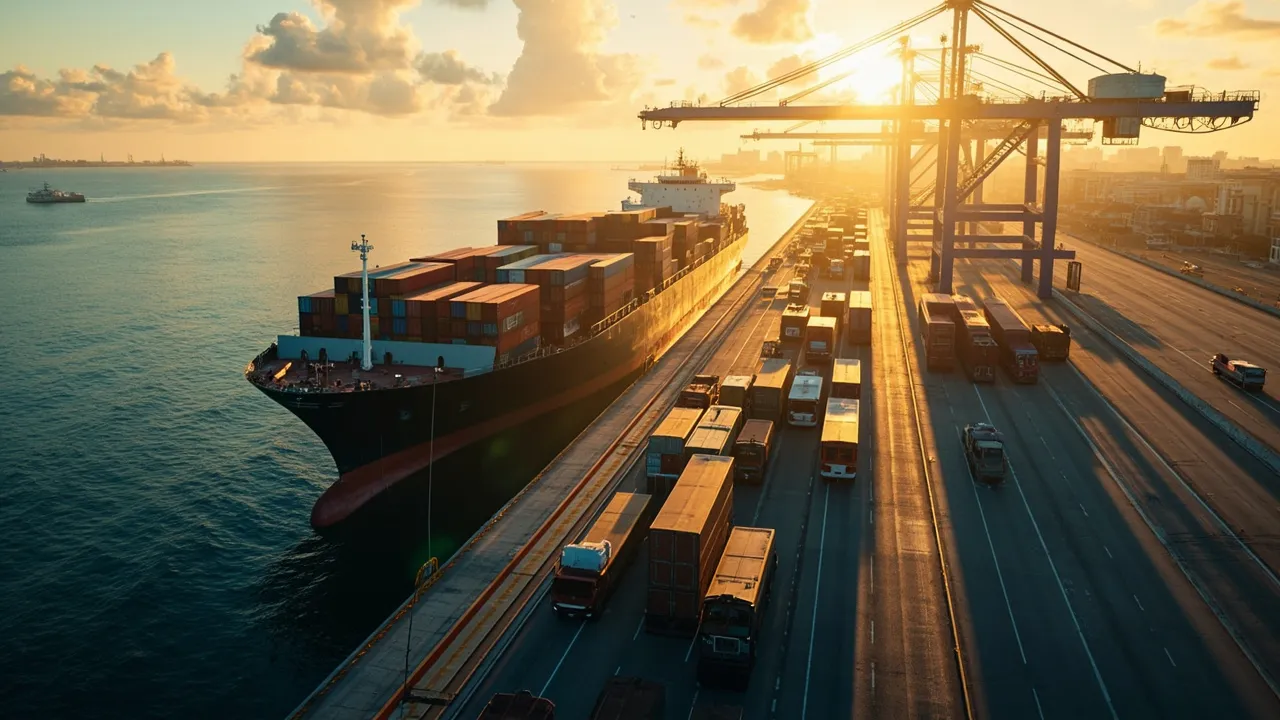
Port Everglades is giving importers, exporters, and ocean carriers more reasons to consider South Florida. New berth capacity, larger cranes, direct highway access, on-port rail, and a long-term investment program all expand the gateway's potential. But potential is not the same as dependable door-to-door service. Before moving contracted volume, shippers should prove that the complete lane works under their cargo, customer, and cost constraints.
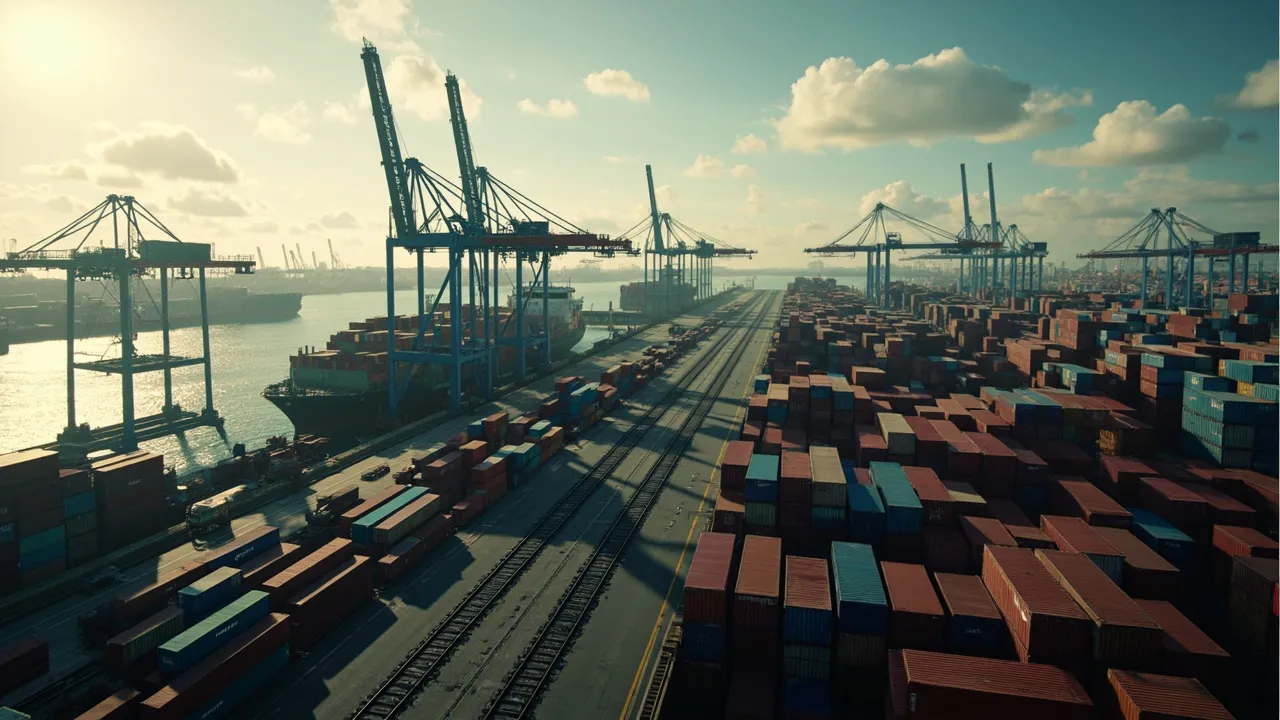
The port's operating case is substantial. In a recent interview, Logistics Management reported that Port Everglades moved a record 1.167 million TEUs last year. The Southport Turning Notch added 1,500 feet of berth, while six Super Post-Panamax cranes helped expand vessel-handling capability. The port now has 14 ship-to-shore cranes and plans to upgrade seven existing units.
The gateway also occupies a distinctive market position. Approximately 90% of its trade moves on North-South lanes, and 80% of the goods it handles start or end within 80 miles. Direct access to Interstate 595 connects traffic to I-95 and I-75, while an on-port Florida East Coast Railway facility provides daily departures to inland markets. A 20-year plan calls for roughly $3.8 billion of investment across cargo, cruise, energy, and other facilities.
Those figures justify evaluation. They do not, by themselves, justify a network change.
Evaluate the Service, Not the Port Brochure
A gateway decision changes more than the ocean leg. It changes sailing options, terminal routines, customs coordination, drayage capacity, chassis access, inland transit, receiving schedules, and exception recovery. A lower port-to-port rate can disappear quickly if containers dwell longer, trucks run more empty miles, or a missed rail departure adds days to transit.
That is why the useful comparison is incumbent route versus proposed route at the purchase-order or container level. Both need the same start and finish points—such as supplier-ready date through distribution-center receipt—and the same cost rules. Otherwise, a team can make the new gateway look favorable simply by excluding delay, storage, or inland expenses from one side.
SupplyChainBrain describes port-to-door execution as a coordinated sequence covering vessel discharge, terminal handling, customs clearance, drayage, and inland rail or truck transportation. That sequence is the right scope for qualification because a failure at any handoff can erase the benefit created at the berth.
Build a Lane-Level Scorecard
Qualification should begin with a small set of representative lanes and a scorecard agreed upon before freight moves. Measure at least six areas.
Vessel schedule and berth reliability
Compare advertised transit with actual arrival, berth, and discharge events. Track schedule variance, rolled bookings, blank sailings, and the time between vessel arrival and container availability. Larger cranes and added berth space matter only if the ship services used by the freight deliver consistent results.
Customs and cargo release
Measure entry filing readiness, holds, exams, and release time. Confirm broker coverage for the port and commodity, including weekends and late-arriving documents. Foreign-Trade Zone 25 may offer duty-management options in Broward County, but the operating and compliance fit must be assessed separately for each importer.
Drayage and equipment supply
Test driver acceptance, appointment availability, chassis fulfillment, truck turn time, and empty-return execution. Capture quotes and actual accessorials. A gateway with adequate average capacity may still be fragile during vessel bunching, produce peaks, or severe weather.
Rail and inland reach
For cargo moving beyond South Florida, compare departure frequency, cutoff reliability, interchange time, destination availability, and final-mile capacity. Daily rail departures are valuable, but shippers need performance for their precise inland point, container type, and service day.
Total landed transportation cost
Include ocean freight, port charges, drayage, chassis, fuel, rail or truck linehaul, transload, storage, demurrage, detention, waiting time, and administrative work. Report both average cost and costly exceptions; a low average can conceal a few failures that destroy the expected savings.
Damage and delivery reliability
Track seal exceptions, temperature excursions where applicable, cargo damage, appointment compliance, and final delivery variance. Service must be measured at the consignee, not when the box clears the terminal gate.
Run a Limited-Volume Qualification Pilot
Start with enough containers to experience normal variation without putting a major customer or peak-season program at risk. A practical pilot might cover 20 to 50 containers across two or three representative origin-destination lanes over four to eight weeks. Include ordinary freight plus a controlled sample of time-sensitive or higher-touch shipments; avoid making the entire test unusually easy.
Define pass/fail thresholds before tendering the first load. For example, require at least 90% delivery within the agreed window, no material increase in damage, terminal dwell within a set tolerance of the incumbent gateway, and door-to-door cost at or below the approved ceiling. Also establish stop conditions for repeated missed connections, customs delays, lack of dray capacity, or rapidly accumulating accessorials.
Each exception needs an owner and cause code. Was the delay driven by the vessel, terminal, documentation, customs, appointment supply, chassis, driver, rail, warehouse, or consignee? Without consistent attribution, the pilot produces anecdotes instead of a decision.
Compare Outcomes in CXTMS Before Committing Volume
CXTMS can place incumbent and Port Everglades pilot shipments in one operating view, connecting booking, vessel, terminal, customs, drayage, rail, delivery, and cost milestones. Teams can compare actual transit, dwell, reliability, damage, and landed transportation cost by lane, carrier, terminal, and service rather than assembling the answer from disconnected spreadsheets.
If the new gateway clears the thresholds, increase volume in stages and continue monitoring performance. If it misses, the event data identifies whether the lane needs different sailing days, stronger drayage coverage, earlier documentation, another inland mode, or no expansion at all.
Port Everglades' infrastructure creates credible new options. The disciplined response is not an immediate network migration; it is a controlled test that proves which options translate into better door-to-door outcomes.
Ready to compare gateways with shipment-level evidence? Request a CXTMS demo to see how your team can qualify routes, monitor exceptions, and measure true landed transportation cost in one place.