The Philippines Container Crisis Needs an Empty-Equipment Recovery Clock

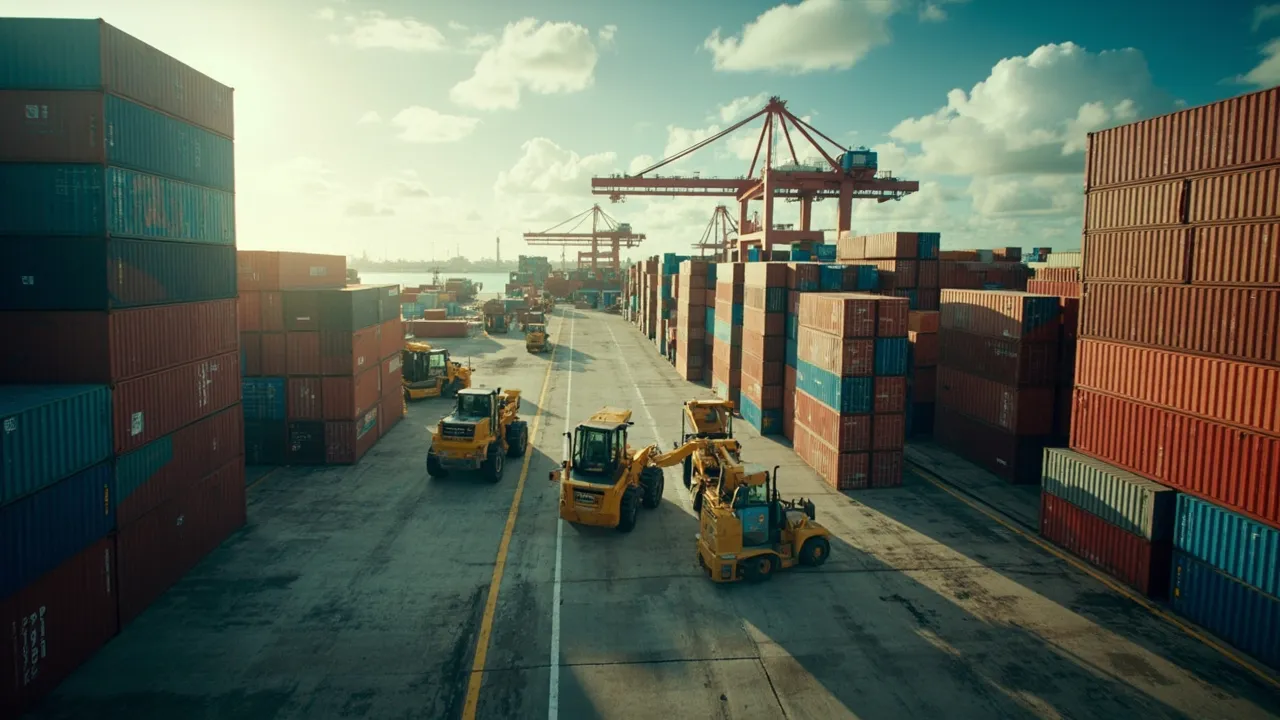
Container trouble in the Philippines is a useful warning for every forwarder managing Asia-Pacific freight: a vessel can have space while the shipper still cannot move the cargo. When empty equipment, terminal access, inland transport, and sailing schedules fall out of sync, the booking confirmation becomes a weak promise rather than an executable plan.
The answer is not another generic “shipment delayed” alert. Forwarders need an empty-equipment recovery clock that starts before pickup, gives each handoff a deadline, and escalates while alternatives are still usable.
One disruption, four different constraints
Inbound Logistics reports that landside container imbalance and yard congestion affecting Manila, Batangas, and Subic Bay have become a serious operational bottleneck. That distinction matters. “No capacity” can describe at least four separate failures:
- Vessel capacity: No allocation or slot is available on the intended sailing.
- Terminal capacity: The port cannot accept the box, or congestion makes gate access unreliable.
- Equipment capacity: The required empty container type and grade are unavailable at the nominated depot.
- Inland capacity: A truck, driver, appointment, or viable pickup window cannot be secured.
These constraints can occur together, but they need different owners and remedies. A carrier sales escalation will not solve a depot that cannot release a usable reefer. A substitute depot does not help if the terminal receiving window has already closed. A TMS should therefore represent them as separate statuses instead of collapsing them into one red shipment icon.
The wider network offers little room for complacency. FreightWaves reported that global schedule reliability fell to 27% on-time in September, down two percentage points, while average vessel delay reached six days. Asia-to-North America services were only 20% on-time, with average delay rising to 6.9 days. Singapore’s average daily vessel queue nearly doubled to 22 ships, and its average wait increased from 1.9 to 3.1 days.
In other words, a Philippine equipment failure does not enter a healthy network with abundant recovery capacity. It enters a regional system already absorbing congestion and late vessels.
Start the recovery clock at booking
The recovery clock should be a sequence of time-bounded milestones, not one countdown to estimated departure. Each milestone needs an expected timestamp, an evidence requirement, an owner, and an escalation rule.
1. Booking clock: confirm the executable plan
Start when the carrier accepts the booking. Within the first control window, verify the equipment type, quantity, nominated depot, earliest release date, cutoff, sailing, and any special-grade requirement. “Booking confirmed” is not enough if the equipment release order is missing or names a depot with no stock.
Escalate when the release order is not available by the agreed deadline, the depot cannot acknowledge inventory, or the confirmation is older than the carrier’s latest schedule change.
2. Release clock: prove an empty exists
Start when equipment should become available. Require a release reference plus depot confirmation of the correct size, type, and condition. For refrigerated, food-grade, or other controlled loads, availability must include suitability—not merely a container number.
If confirmation fails, trigger a short recovery window for another depot, another equipment size, or a carrier substitution. The commercial team should already know which substitutions the customer permits.
3. Pickup clock: connect the box to inland capacity
Start when a specific empty is assigned. Track truck acceptance, depot appointment, gate arrival, successful release, and departure. A container listed as available can still be operationally unreachable because of appointment scarcity, queue time, documentation defects, or a truck mismatch.
Escalation should occur early enough to rebook the pickup—not at the end of the driver’s failed shift. Capture the failure reason as structured data so planners can distinguish recurring depot issues from isolated carrier or haulier exceptions.
4. Return clock: protect the terminal cutoff
Once stuffing begins, calculate the remaining time to terminal acceptance. Monitor loading completion, document readiness, verified gross mass, export clearance, gate appointment, and terminal return. Any delay here consumes the buffer preserved in earlier stages.
Set escalating thresholds: amber when the planned return buffer is breached, red when the primary terminal window is at risk, and critical when the recovery requires a different sailing or gateway.
5. Substitution clock: execute the approved fallback
A substitution should be a governed workflow, not a frantic email chain. Rank options by equipment compatibility, depot-to-origin distance, terminal cutoff, incremental cost, and probability of making the sailing. The clock should show how long each option remains viable.
Possible fallbacks include another depot, a 40-foot container in place of two 20-foot units where cargo permits, a different carrier, a later sailing, or an alternative Philippine gateway. Each option needs customer rules, rate authority, documentation implications, and approval ownership stored in advance.
Turn equipment events into customer promises
Forwarders protect service commitments when equipment status becomes part of order planning. The TMS should ingest carrier and depot events, but it should also expose missing events. Silence after a release request is itself an exception.
For each shipment, planners should see the last verified milestone, time remaining in the current control window, responsible party, next fallback, and latest achievable sailing. Customer-facing estimates should update from these operational facts rather than from the original booking alone.
Management should measure more than final on-time departure. Useful leading indicators include release-order latency, empty-confirmation success by depot, failed pickups, average recovery time, substitutions by cause, terminal-return buffer, rollover rate, and added cost per recovered booking. Those measures reveal whether the problem is vessel space, equipment positioning, inland execution, or a weak escalation process.
The Philippines container crisis is not simply a local shortage story. It shows why container availability must be managed as a timed chain of evidence. When the regional network is running at 20% on-time reliability and nearly seven days of average delay, waiting for certainty is expensive. A recovery clock gives teams something better: a controlled point at which to act.
Ready to manage ocean exceptions before they become missed sailings? Request a CXTMS demo and see how milestone-driven workflows can keep equipment, bookings, and customer commitments aligned.