Insights
Industry insights, integration guides, and product updates from the CXTMS team.

Event Logistics Is a $79B Market Because Deadlines Do Not Forgive Bad Freight Data
Event logistics turns freight data into deadline control because venues, install crews, reverse moves, and penalty exposure leave almost no room for missing shipment details.
 CXTMS InsightsJuly 5, 20267 min read
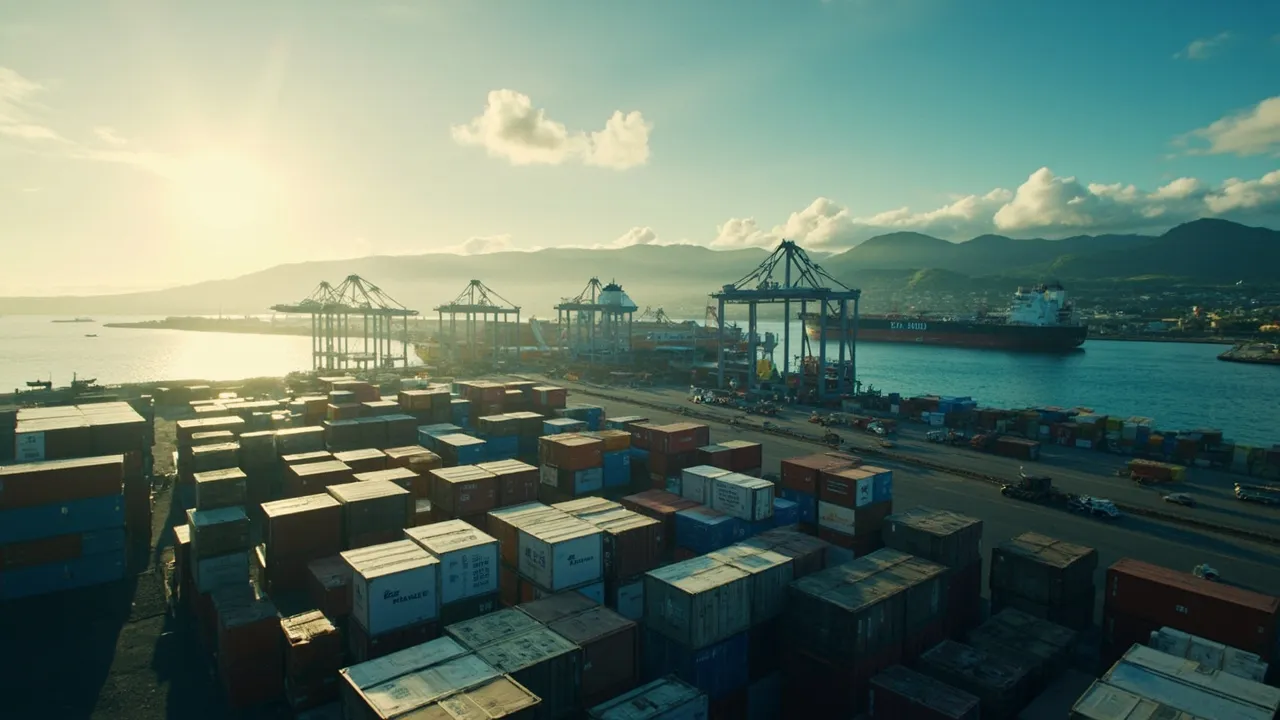
Hawaii Logistics Shows Island Supply Chains Need a Different Resilience Model
Hawaii's logistics model shows why island supply chains need resilience planning built around port dependency, reefer availability, buffer stock, and multimodal milestones.
CXTMS InsightsJuly 5, 2026 · 6 min read
A&D Supplier Capacity Is Becoming a Delivery-Credibility Problem
Aerospace and defense supplier capacity is now a delivery-credibility issue. Logistics teams need tier visibility, milestone control, and expedite governance.
CXTMS InsightsJuly 4, 2026 · 6 min read
China-Origin Parcel Air Cargo Is Shrinking. Domestic Fulfillment Needs a New Trigger Model.
China-origin parcel air cargo volumes fell sharply after de minimis changes, forcing ecommerce shippers to decide when direct parcel, bonded storage, cross-dock flow, or domestic fulfillment makes economic sense.
CXTMS InsightsJuly 3, 2026 · 6 min read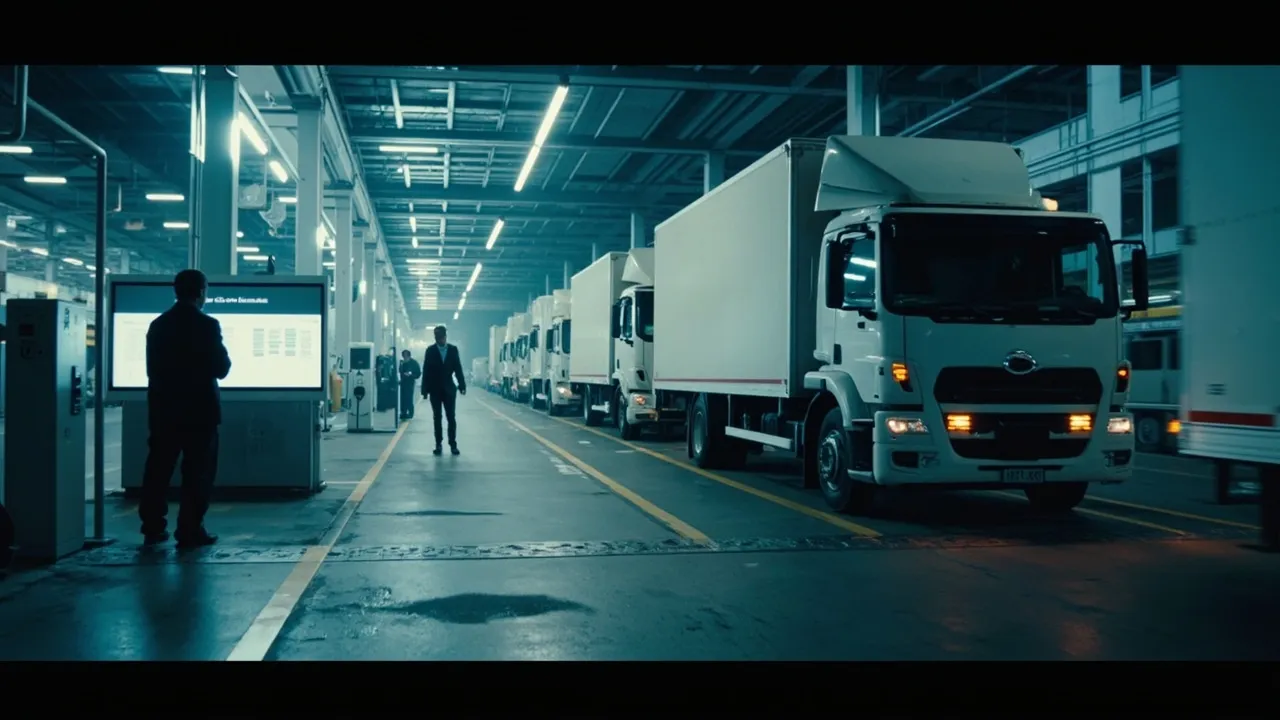
Electric Fleet Charging Needs Dispatch Logic, Not Full-Tank Thinking
Electric fleet charging is becoming a dispatch constraint as route length, charger queues, dwell windows, payload, weather, and customer promises converge.
CXTMS InsightsJuly 3, 2026 · 6 min read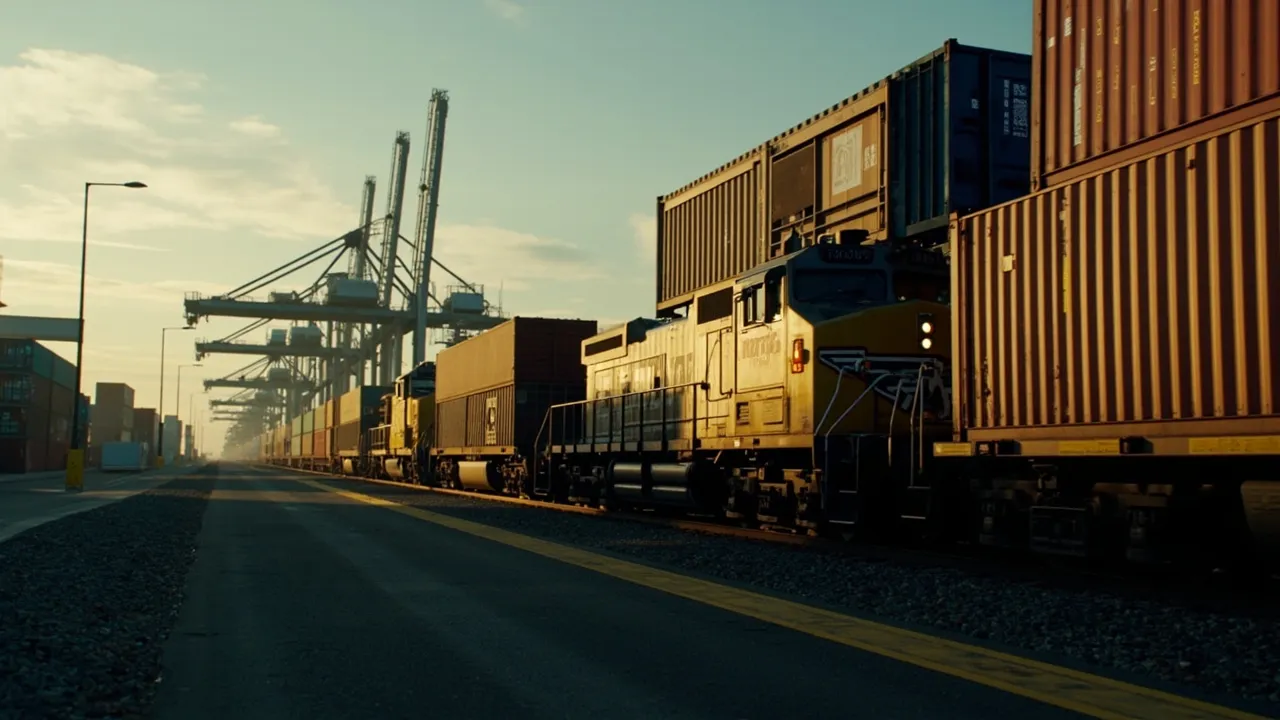
Maersk's SoCal Rail Shift Shows Inland Rail Choice Is Becoming a Service-Design Decision
Maersk's Southern California rail shift shows why inland rail routing now belongs in service design, not just procurement, for import container networks.
CXTMS InsightsJuly 3, 2026 · 6 min read
Ruan's Customs Brokerage Expansion Shows Cross-Border Freight Is Becoming a Control-Layer Business
Ruan's customs brokerage launch shows why cross-border freight now needs one control layer across broker tasks, documents, border milestones, drayage, and landed cost.
CXTMS InsightsJuly 3, 2026 · 6 min read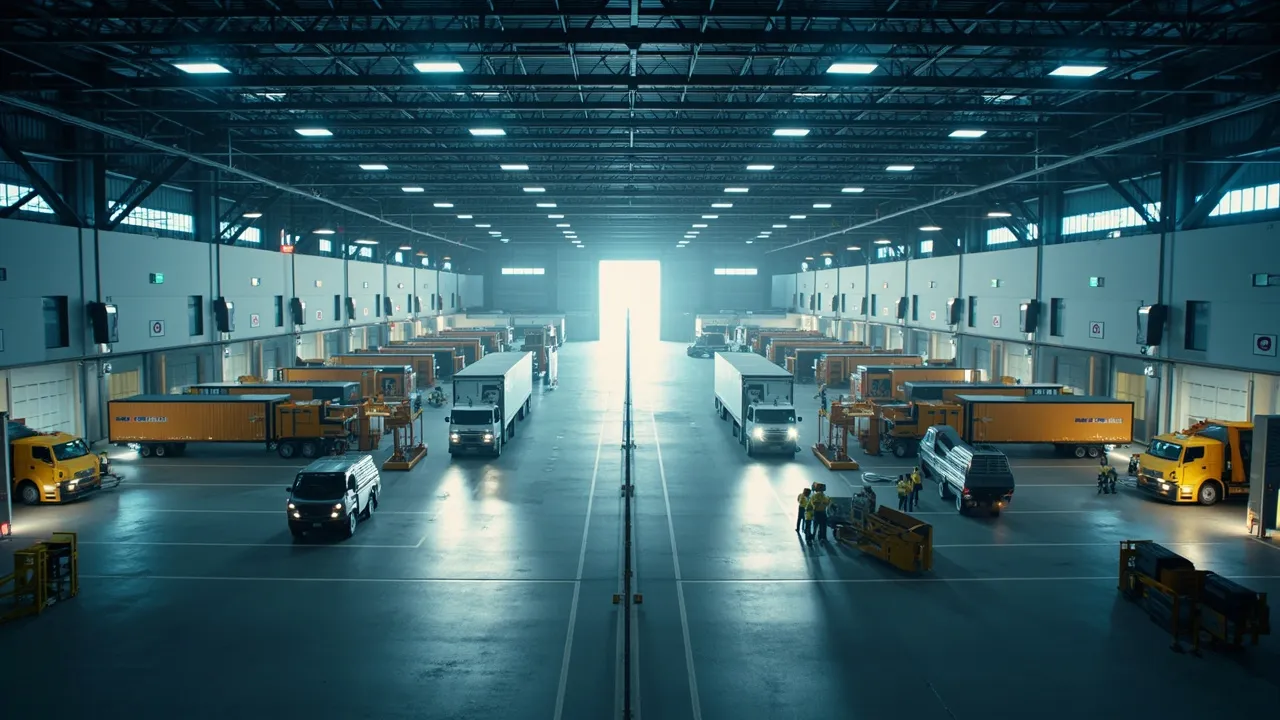
Warehouse Site Readiness Is Where New Logistics Facilities Quietly Fail
Warehouse site readiness determines whether a new logistics facility launches cleanly or turns dock layout, yard flow, carrier access, and cutover timing into avoidable exceptions.
CXTMS InsightsJuly 3, 2026 · 6 min read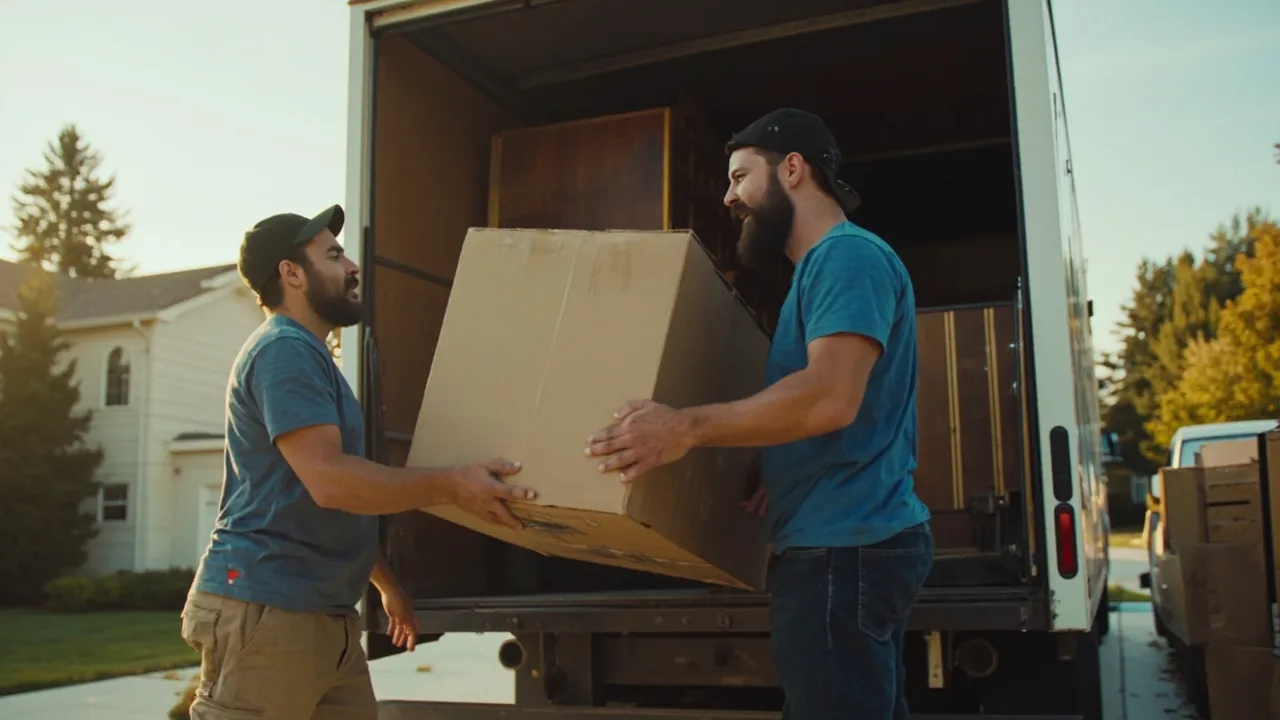
Wayfair's Home Delivery Network Lessons Point to the Hard Part of Big-and-Bulky Logistics
Wayfair's home delivery network lessons show why big-and-bulky logistics needs disciplined execution across appointments, damage, returns, density, and cost-to-serve.
CXTMS InsightsJuly 3, 2026 · 6 min read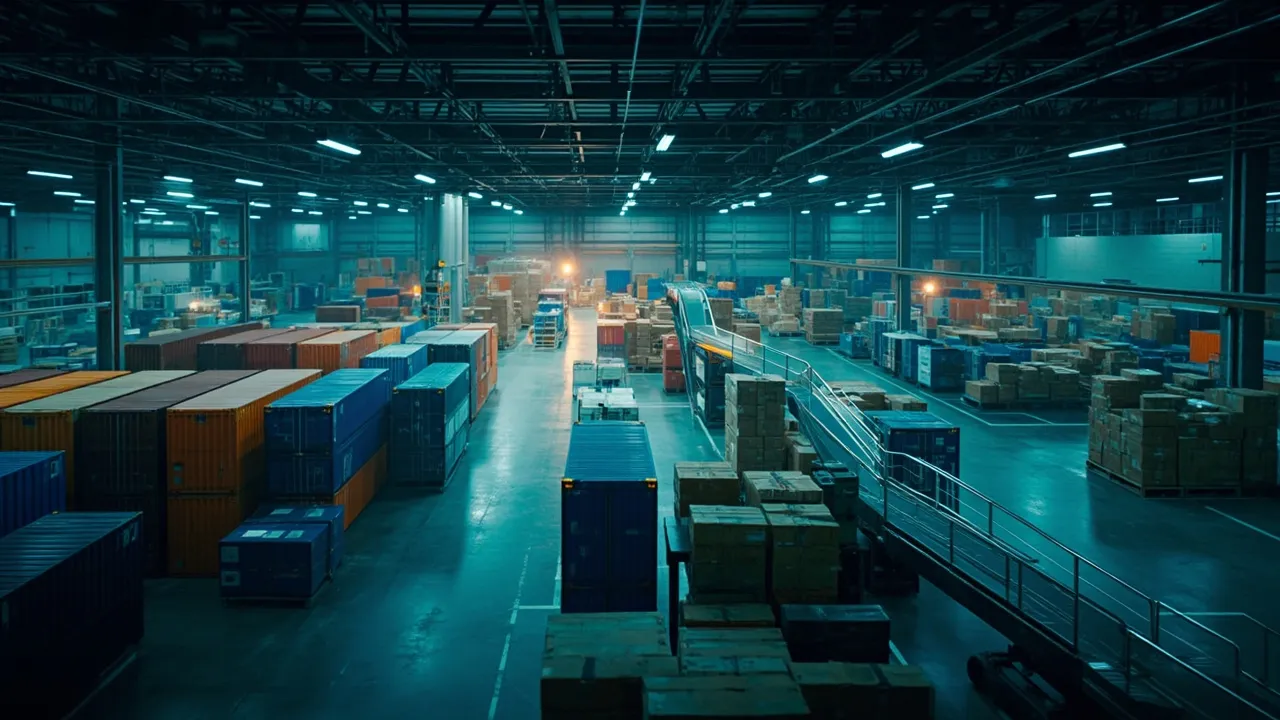
CMA CGM's FedEx Supply Chain Deal Makes Contract Logistics a Network-Control Play
CMA CGM's $1.4 billion FedEx Supply Chain deal shows why contract logistics is becoming a network-control strategy across warehouses, air, ocean, fulfillment, and returns.
CXTMS InsightsJuly 2, 2026 · 7 min read