Insights
Industry insights, integration guides, and product updates from the CXTMS team.
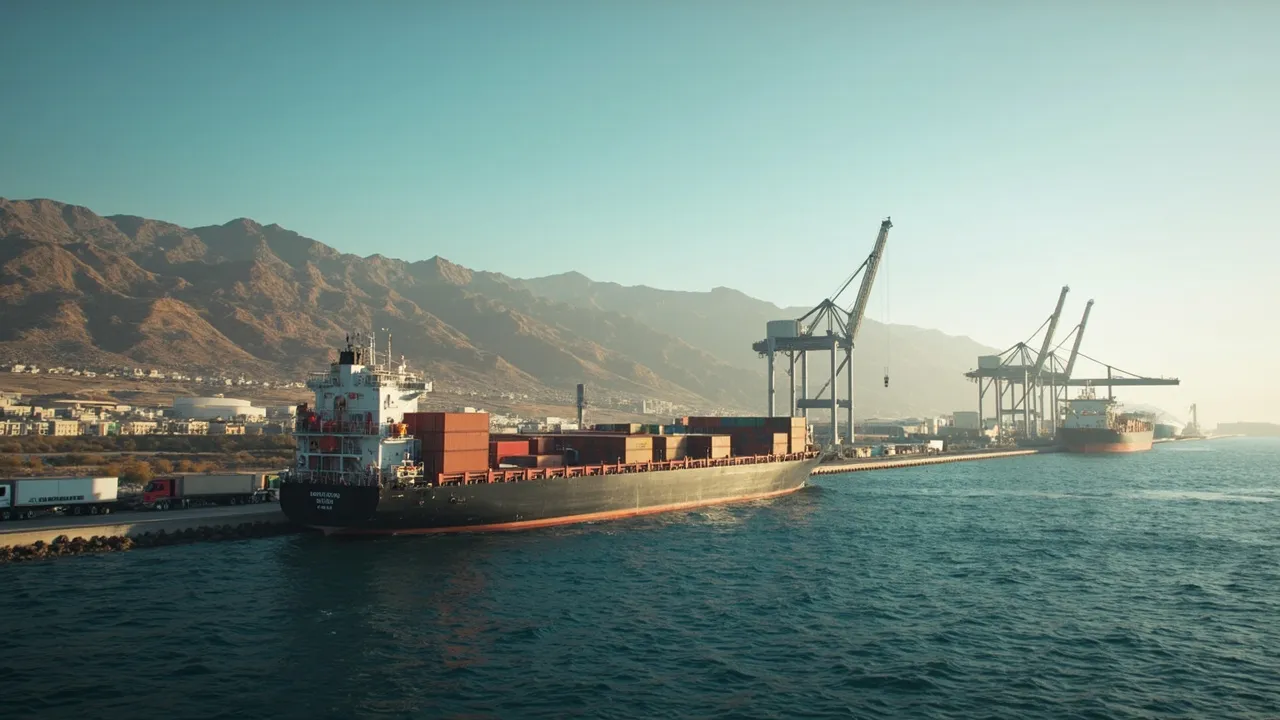
Fujairah's New Container Terminals Put Strait of Hormuz Avoidance Into Network Design
DP World's planned Fujairah terminals create a major container gateway outside the Strait of Hormuz, but shippers still need to model inland cost, capacity, and execution risk.
 CXTMS InsightsJuly 23, 20266 min read

A 20,000-Chassis Deal Shows Intermodal Capacity Is Becoming an Equipment-Control Problem
ITE's acquisition of NACPC shows why intermodal reliability depends on controlling chassis location, dwell, condition, and reservations—not simply buying rail capacity.
CXTMS InsightsJuly 23, 2026 · 6 min read
The Material Handling Skills Gap Needs a Shared Talent Pipeline, Not Competing Job Posts
Warehouse operators need a shared skilled-trades pipeline built around portable competencies, apprenticeships, and capacity planning—not another round of competing job posts.
CXTMS InsightsJuly 23, 2026 · 5 min read
The $2M Nike Label Diversion Case Makes Shipping-Label Authority a Warehouse Control
The alleged diversion of $2 million in Nike products shows why label creation, reprints, destination changes, and parcel manifests need enforceable warehouse controls.
CXTMS InsightsJuly 23, 2026 · 6 min read
Oakland's Dockworker Walkout Shows Port Labor Risk Needs a Same-Day Diversion Clock
Oakland's brief dockworker walkout shows why importers need a timed, data-driven process for deciding whether to hold containers or divert freight.
CXTMS InsightsJuly 23, 2026 · 6 min read
Potash Supply Constraints Are Turning Fertilizer Logistics Into an Allocation Problem
Tight potash supply turns fertilizer planning into an allocation challenge requiring shipment milestones, customer priorities, and shared rules.
CXTMS InsightsJuly 23, 2026 · 6 min read
Tropical Storm Bertha Shows Slow-Moving Weather Needs Shipment-Level Flood Triggers
Tropical Storm Bertha shows why freight teams need lane, facility, and appointment-level flood triggers instead of broad regional weather alerts.
CXTMS InsightsJuly 23, 2026 · 5 min read
USPS Smart Lockers Turn Local Marketplace Exchanges Into a Last-Meter Logistics Network
USPS Local XChange gives marketplace handoffs a trackable logistics workflow built around smart lockers, custody events, pickup windows, and exceptions.
CXTMS InsightsJuly 23, 2026 · 6 min read
Mexico's New Customs Rules Expose the Cost of Conflicting Shipment Definitions
Mexico's new customs rules show why cross-border teams need shared shipment definitions before documents, values, and broker instructions drift apart.
CXTMS InsightsJuly 22, 2026 · 7 min read
USMCA Certification Readiness Is Becoming a Logistics Partner Test
USMCA certification readiness is becoming a logistics partner test as North American shippers prepare for review uncertainty and preferential-duty scrutiny.
CXTMS InsightsJuly 22, 2026 · 7 min read