Insights
Industry insights, integration guides, and product updates from the CXTMS team.

Few Tankers Entering Hormuz Make Floating LNG Storage a Delivery-Schedule Risk
Reduced Strait of Hormuz traffic is turning laden LNG carriers into floating storage, creating schedule, vessel-capacity, demurrage, and terminal-slot risks.
 CXTMS InsightsJuly 24, 20265 min read
Iraq's Syria Fuel-Oil Route Shows New Trade Lanes Need a Chain-of-Custody File
Iraq's emerging fuel-oil export route through Syria shows why new bulk commodity lanes need event-level custody, origin, quality, and compliance evidence.
CXTMS InsightsJuly 24, 2026 · 5 min read
Kuehne+Nagel's Apex Review Shows Airfreight Acquisitions Need a Customer-Concentration Test
The strategic review of Apex Logistics shows why airfreight deals require shipment-level tests for customer, lane, carrier, and margin concentration.
CXTMS InsightsJuly 24, 2026 · 6 min read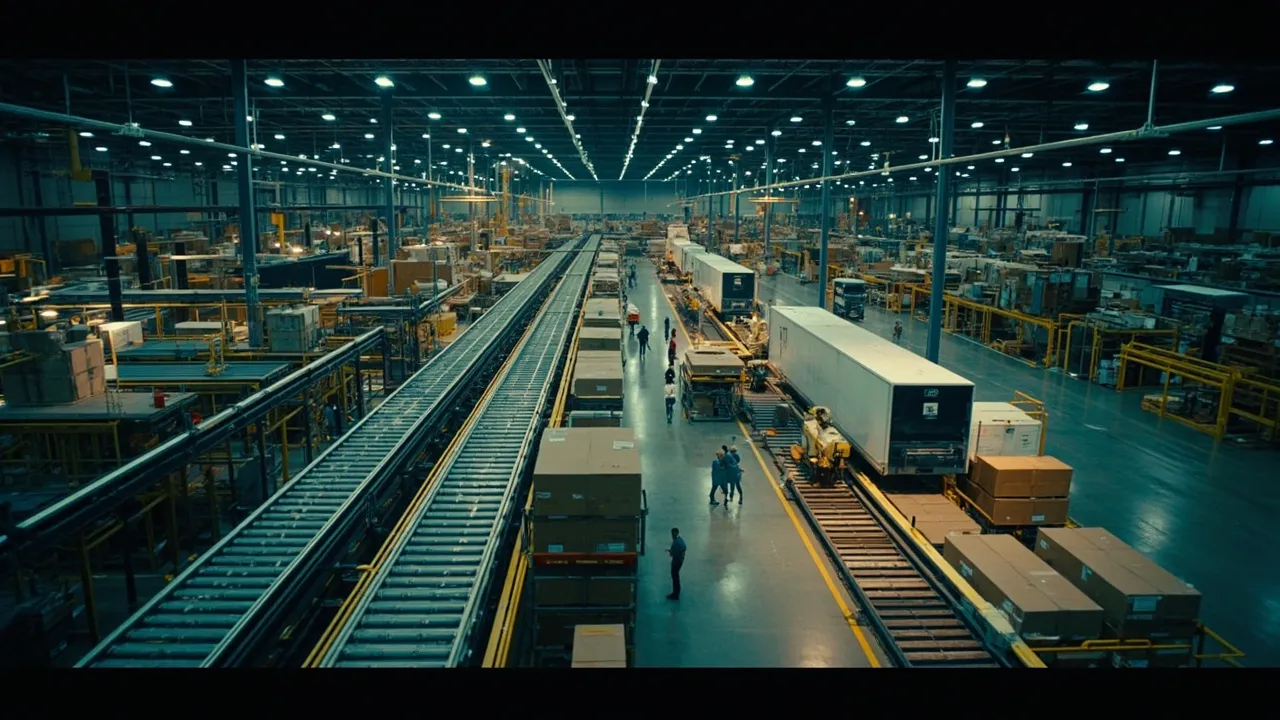
Maersk's $100M Massachusetts Hub Makes Anchor-Customer Exit Risk a Facility KPI
Maersk's single-customer Massachusetts fulfillment hub shows why utilization, contract runway, labor flexibility, and alternate-customer onboarding belong on the facility scorecard.
CXTMS InsightsJuly 24, 2026 · 6 min read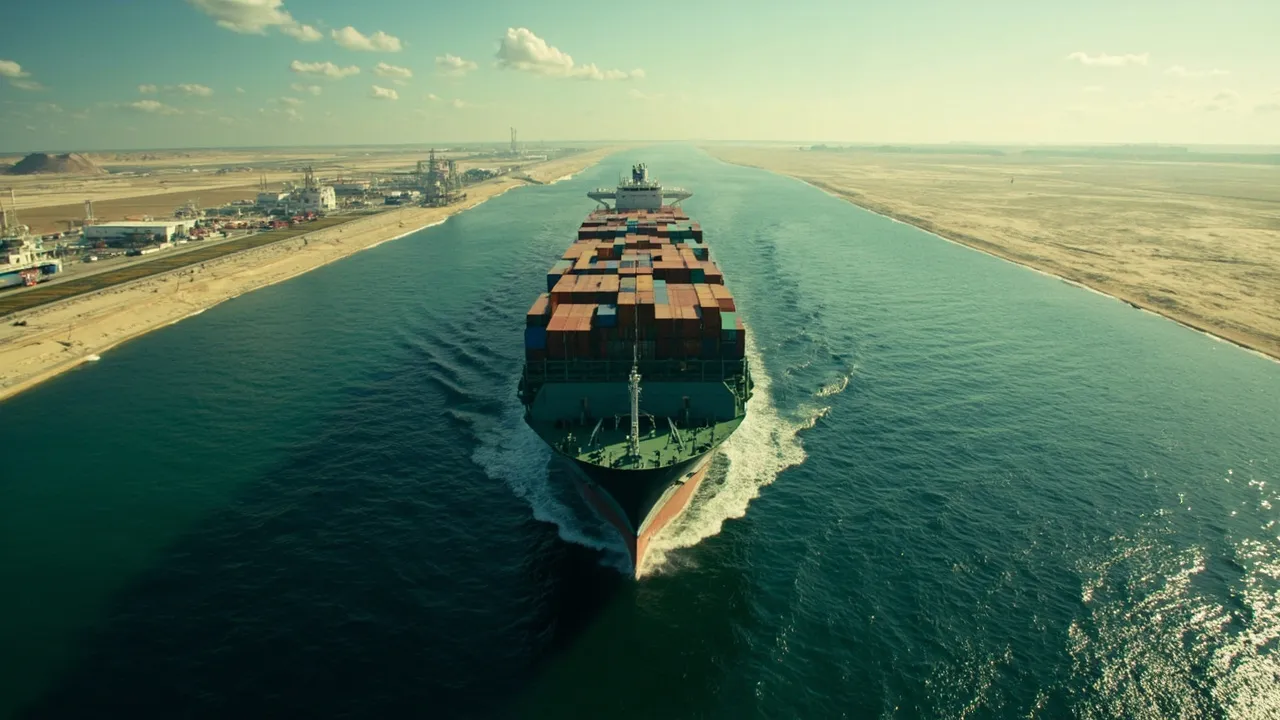
Panama Canal El Niño Surcharges Need a Water-Risk Booking Playbook
Panama Canal surcharges and draft reductions require lane-level booking triggers, routing alternatives, and shipment-level decision records.
CXTMS InsightsJuly 24, 2026 · 6 min read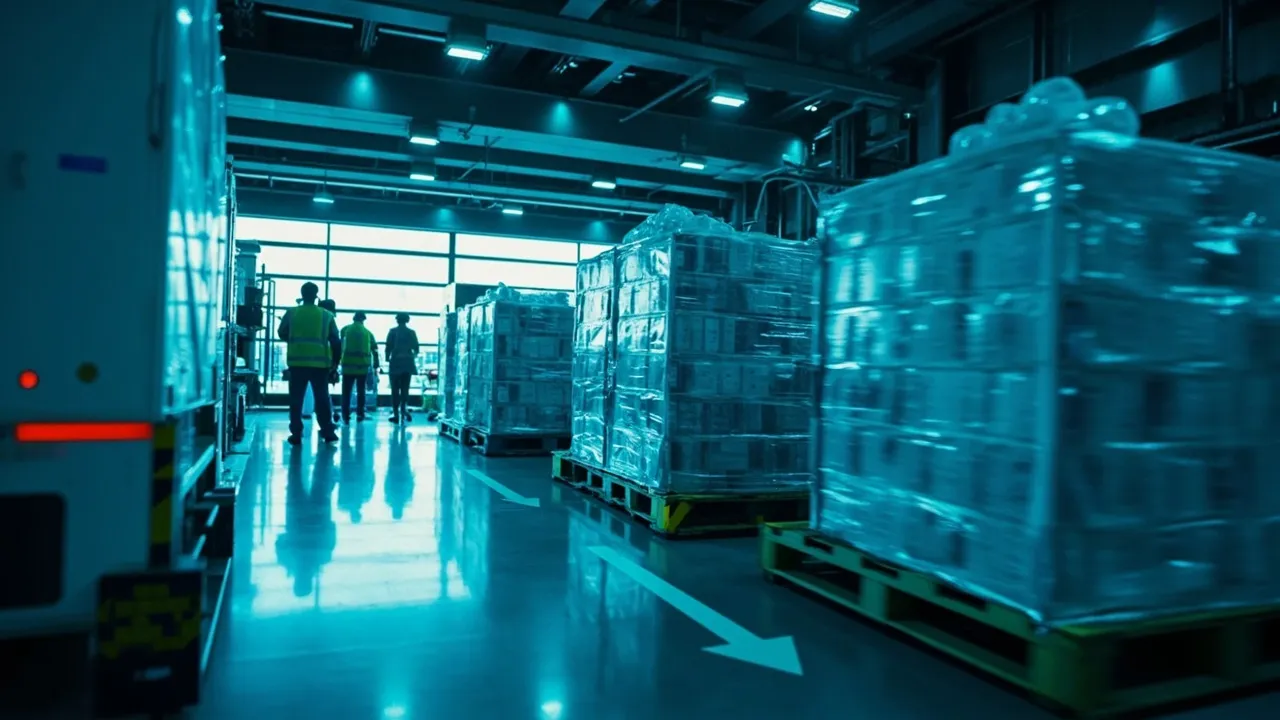
Proposed 200% Pharmaceutical Tariffs Turn Drug Logistics Into a Grace-Period Countdown
A proposed phased tariff on generic drugs gives pharmaceutical importers time to connect origin, inventory, customs, and cold-chain decisions before duties rise.
CXTMS InsightsJuly 24, 2026 · 6 min read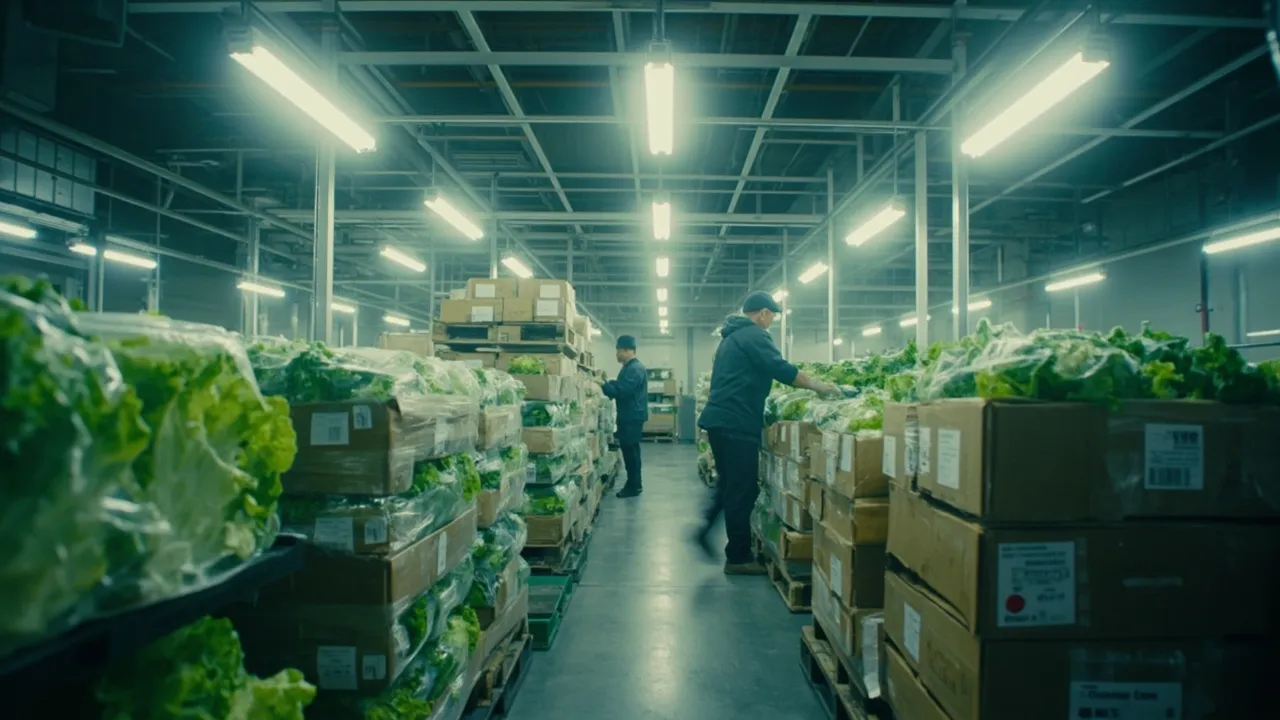
Taylor Farms' Negative Parasite Test Shows Recall Logistics Need Reversible Holds
A reversed parasite test shows why food recall logistics need reversible holds, precise lot and shipment data, controlled releases, and durable audit trails.
CXTMS InsightsJuly 24, 2026 · 6 min read
Tractor Supply's 2,400-Store Instacart Launch Needs Store-Level Delivery Eligibility
Tractor Supply's Instacart launch shows why rural same-day delivery requires store-, SKU-, and time-level eligibility rules before checkout.
CXTMS InsightsJuly 24, 2026 · 6 min read
Commercial Vehicle Crackdowns Make Inspection Readiness a Dispatch Constraint
Expanding truck inspections show why fleets must treat vehicle condition, driver credentials, hours, and documentation as dispatch eligibility constraints.
CXTMS InsightsJuly 23, 2026 · 6 min read
CSX's Q2 Beat Puts Rail Service Quality Back Beside Revenue Growth
CSX's strong second-quarter results make a case for rail growth, but shippers need a lane-level scorecard before committing more freight.
CXTMS InsightsJuly 23, 2026 · 5 min read