Insights
Industry insights, integration guides, and product updates from the CXTMS team.

The BIS Semiconductor Export Crackdown: Why the $252M Applied Materials Penalty Signals a New Liability Era for Logistics Providers
The $252 million Applied Materials settlement shows why semiconductor forwarders must treat export screening, classification, and diversion checks as shipment controls.
 CXTMS InsightsJuly 25, 20266 min read
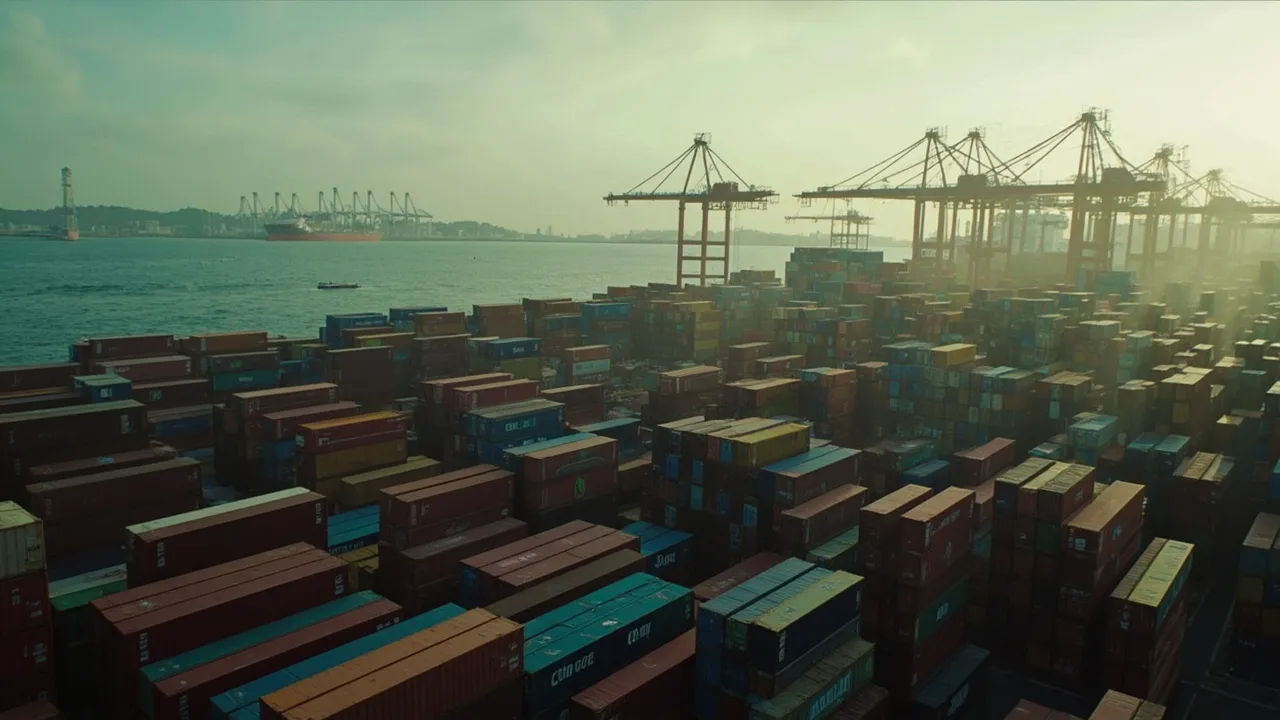
Container Misrouting After the Iran Conflict: The New Economics of Equipment Repositioning
Hormuz disruption has displaced containers, tightened capacity, and raised ocean costs. Learn how forwarders can control equipment repositioning risk.
CXTMS InsightsJuly 25, 2026 · 6 min read
The EU's PFAS Packaging Ban Takes Effect August 12: What Shippers Need to Do Now
The EU's PPWR limits PFAS in food-contact packaging from August 12, 2026. Here is a practical compliance plan for exporters, importers, and logistics teams.
CXTMS InsightsJuly 25, 2026 · 6 min read
FedEx Freight After the Spin-Off: An LTL Rate Strategy for Mid-Market Shippers
FedEx Freight's independence changes LTL negotiations. Mid-market shippers should use lane-level benchmarks, cleaner contracts, and service data to compete.
CXTMS InsightsJuly 25, 2026 · 6 min read
Lithium Battery Air Cargo Is Recovering—but the 2026 SoC Rule Raises the Documentation Bar
Air cargo capacity is recovering unevenly, but the 2026 lithium battery state-of-charge rules make verified data and disciplined documentation essential for shippers.
CXTMS InsightsJuly 25, 2026 · 6 min read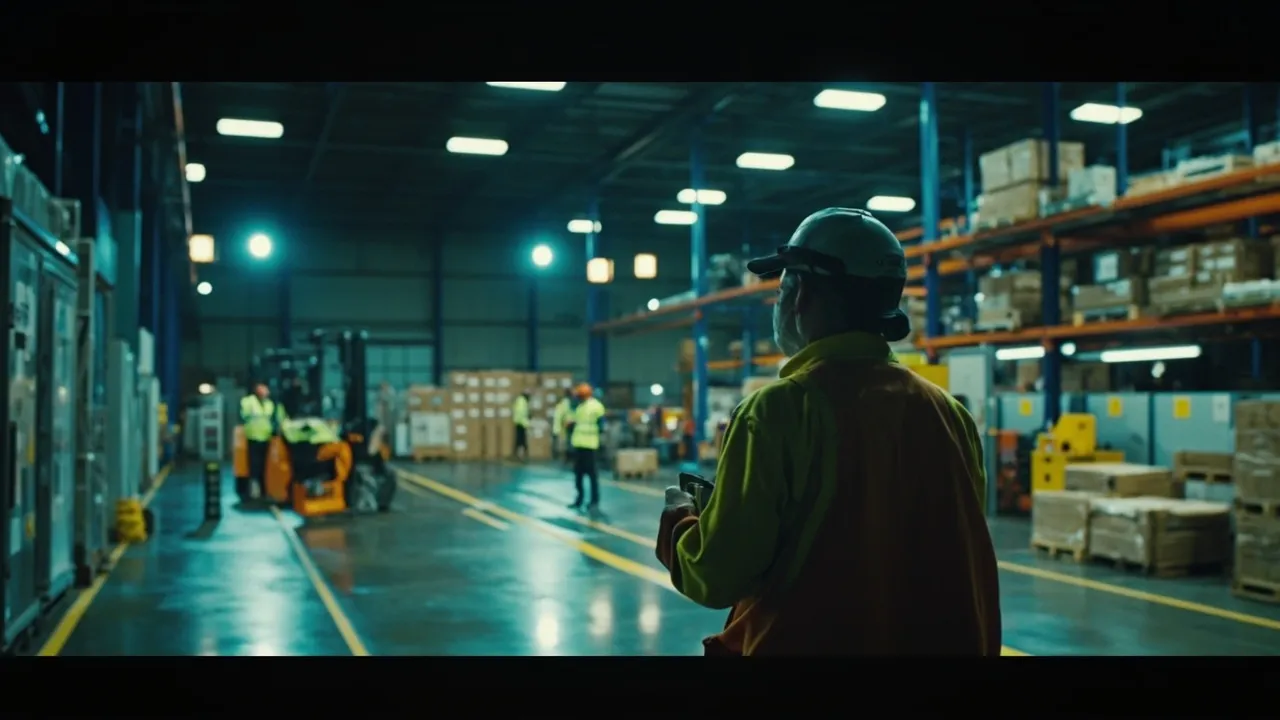
OSHA Warehouse Enforcement in 2026: A 90-Day Compliance Plan
Warehouse operators face overlapping OSHA attention on distribution centers, heat, forklifts, ergonomics, and recordkeeping. Use this 90-day compliance plan.
CXTMS InsightsJuly 25, 2026 · 6 min read
Project Vault and the $12 Billion Critical Minerals Reserve: A Freight Strategy for OEMs
Project Vault turns critical-mineral resilience into a logistics discipline. OEMs need secure storage, traceable inventory, and tested surge-release plans.
CXTMS InsightsJuly 25, 2026 · 6 min read
Subscription and Rental Logistics: Building the Circular Fulfillment Architecture for 2026
Learn how subscription and rental businesses can redesign fulfillment for product cycles, condition grading, refurbishment, and reverse transportation.
CXTMS InsightsJuly 25, 2026 · 6 min read
The 2,500-Space Truck Parking Opportunity: What the $200M Federal Investment Means for Freight Planning
Congress's record $200 million truck parking allocation could fund thousands of spaces, but shippers still need route plans that protect driver hours and retention.
CXTMS InsightsJuly 25, 2026 · 6 min read
Black Sea Vessel Attacks Need Voyage-Level Exposure, Not a Country Risk Label
Black Sea maritime risk now changes by vessel, port, cargo, and sailing window. Learn how forwarders can build voyage-level approval and escalation controls.
CXTMS InsightsJuly 24, 2026 · 5 min read